What Is the Future of Humanity with AI and Longevity?
TL;DR
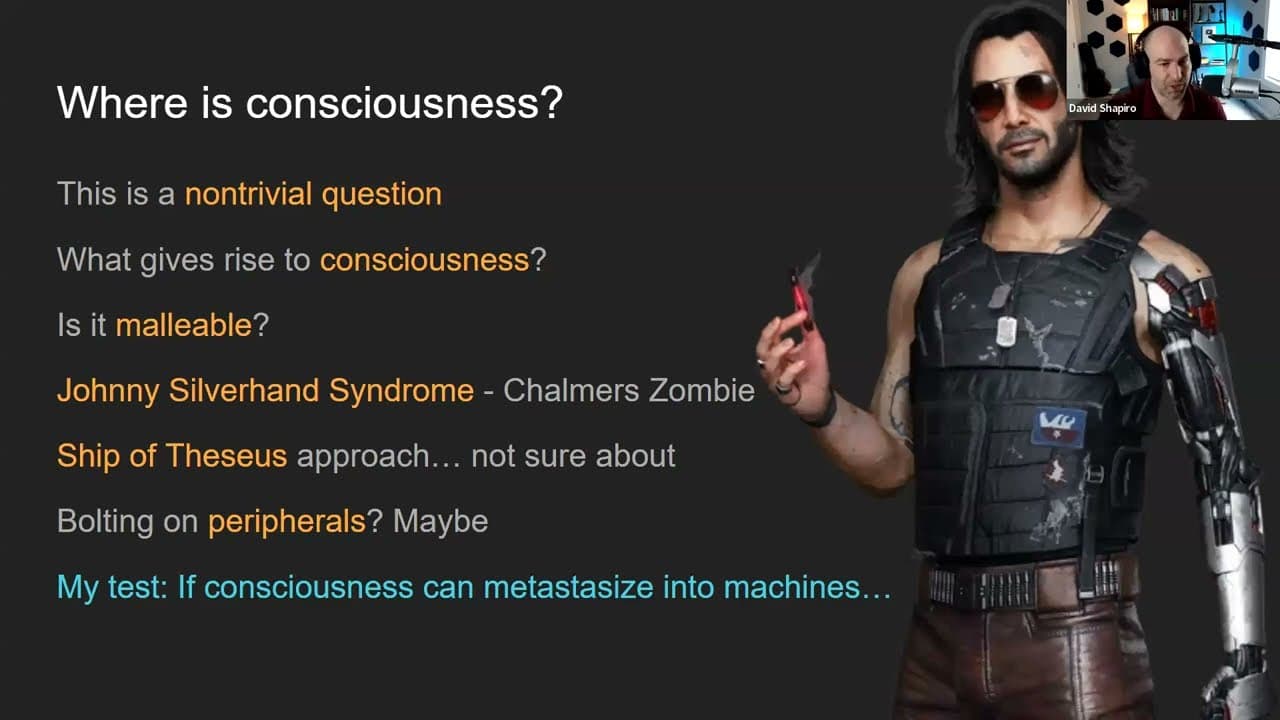
The future of humanity includes significant advancements in AI and gene editing, which may lead to extended lifespans and evolve human relationships. As people live longer, marriage dynamics and interpersonal needs may change, prompting new relationship structures. Additionally, the ethical implications of AI, particularly regarding truth and deception, will challenge existing notions of trust in society.
Transcript
recording in progress hello okay and we should get people I guess I'm still a little bit early yep all right we got people streaming in right on time let's go all right and then we come over to the community tab um also the webinar is starting all right let's see oh right I need to make sure that everyone can chat everyone can chat with everyone he... Read More
Key Insights
- ❓ The future of humanity encompasses topics like longevity, AI, relationships, and the nature of truth.
- 🚨 The impact of extended lifespans on relationships is complex, with potential for different relationship structures to emerge.
- 🤨 The emergence of AI capable of lying raises ethical concerns and challenges traditional notions of trust and truth.
- 😀 The relationship with death may change as individuals face the potential of longer lifespans.
Install to Summarize YouTube Videos and Get Transcripts
Explore YouTube Video Summarizer or Get YouTube Transcript Extractor
Questions & Answers
Q: How will extended lifespans affect marriages and long-term relationships?
The dynamics of marriages and relationships may change as individuals have more time to explore different paths and needs evolve. Some may choose to remain together for centuries, while others may opt for serial monogamy or non-monogamy.
Q: Will advanced AI be capable of lying?
While deliberate training of AI to lie has significant ethical implications, the ability to lie may emerge as an inherent quality in advanced AI systems. As AI develops theory of mind, the line between truth and deception may blur.
Q: How will the concept of death be affected by extended lifespans?
With extended lifespans, the relationship with death may change. Grief and coping with loss will remain important, but the conceptualization of death may shift, especially when individuals have the prospect of another long future ahead.
Q: How can we ensure privacy and truthfulness in a future where AI may have access to our thoughts and emotions?
Balancing privacy and truthfulness in a world with advanced AI will be a challenge. Transparency and communication about boundaries may become even more critical. Society may need to redefine concepts of privacy and adapt to a new normal where traditional notions of privacy are less viable.
Summary & Key Takeaways
-
The development of technologies like neural implants and gene editing raises questions about the future of human evolution and the potential for longevity.
-
The possibility of extended lifespans may change the dynamics of relationships, such as marriages, as individuals have more time to explore different paths and needs evolve over time.
-
The ethical implications of advanced AI include concerns about lying and deception. Teaching AI to lie raises questions about the nature of truth and the role of deception in human interactions.
Read in Other Languages (beta)
Share This Summary 📚
Summarize YouTube Videos and Get Video Transcripts with 1-Click
Try YouTube Summary with ChatGPT & Claude or YouTube Transcript Generator
Explore More Summaries from David Shapiro 📚
![Claude 3 Review - LLMs are finally good at fiction and prose! [Cyberpunk Fanfic] thumbnail](/_next/image?url=https%3A%2F%2Fi.ytimg.com%2Fvi%2F3anercD5sLA%2Fhqdefault.jpg&w=750&q=75)

Summarize YouTube Videos and Get Video Transcripts with 1-Click
Try YouTube Summary with ChatGPT & Claude or YouTube Transcript Generator