Why People Keep Eating Tide Pods
TL;DR
People keep eating Tide pods because their candy-like appearance, teenage risk-taking, resistance to warnings, and pursuit of internet fame can outweigh concern about the consequences. In the first 3 weeks of 2018, at least 86 American teens became sick enough to prompt calls to poison control. Read on to understand the psychology behind the challenge and the severe harm these detergent pods can cause.
Transcript
♪Intro♪ Over the last few months, you might have seen people sharing photos online of Tide laundry detergent pods as pizza toppings, or like a big plate of ravioli. Like any meme, it’s funny because it’s absurd. You’re obviously not supposed to eat laundry detergent, but those little pods are kind of food-like. But then there’s the Tide pod challen... Read More
Key Insights
- 😋 Tide pods resemble food due to their appearance and packaging, which can trick our brain into associating them with edibles.
- 🧠 Teenagers are more likely to engage in risky behavior due to brain development imbalances, focused on rewards rather than consequences.
- 😅 Warning labels may increase the appeal of risky actions, such as eating Tide pods, due to the boomerang effect.
- 🦕 The desire for internet fame motivates some individuals to participate in the Tide pod challenge.
Install to Summarize YouTube Videos and Get Transcripts
Explore YouTube Video Summarizer or Get YouTube Transcript Extractor
Questions & Answers
Q: Why do people keep eating Tide pods?
Several factors may contribute: Tide pods resemble colorful, bite-sized candy, teenagers may focus more on rewards than consequences, and warnings can sometimes increase an action’s appeal. The possibility of internet fame may also prolong the challenge because emotional or disgusting content is more likely to be shared.
Q: Why do Tide pods look appealing or edible?
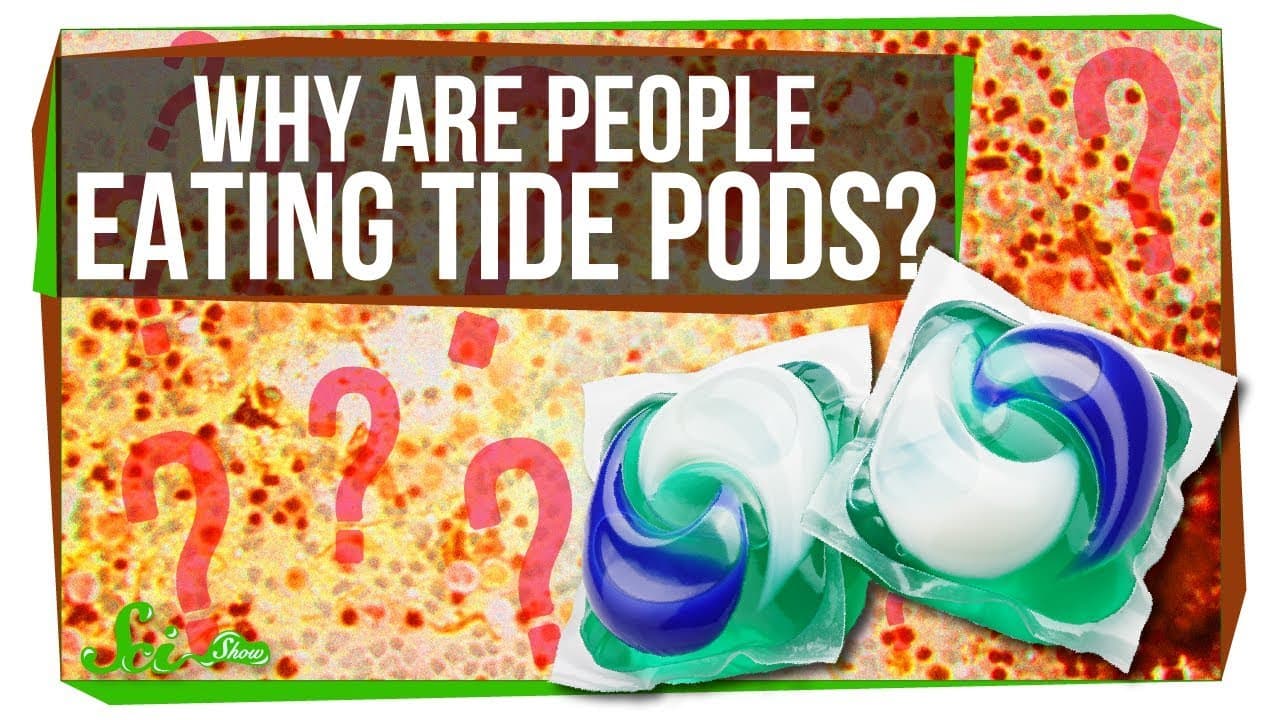
The pods are bite-sized, have colorful swirls, and can resemble oversized candies or Gushers fruit snacks. Their glossy coating may also be attractive, while scent descriptions such as “floral and fruity notes” reinforce associations that sound more like food or drink than detergent.
Q: Why are teenagers more likely to attempt the Tide pod challenge?
Scientists think teenagers’ prefrontal cortex, which helps regulate self-control, is still developing while reward-sensitive brain regions are especially active. This imbalance may become stronger around friends, encouraging teens to focus on possible rewards instead of consequences when facing unfamiliar risks.
Q: Can warnings against eating Tide pods backfire?
Warnings may trigger reactance, the tendency to resist limits on personal independence by doing the prohibited thing anyway. This boomerang or forbidden-fruit effect does not affect everyone, so the transcript says it is difficult to determine whether warnings actually drove people to eat the pods.
Q: How does internet fame contribute to the Tide pod challenge?
Some pre-teens pursue fame through social media, giving them an incentive to post shocking challenge videos. In one focus group, 8 out of 20 children ranked fame as their most important value, ahead of values such as kindness or success.
Q: Why did Tide pod challenge videos spread online?
Research described in the transcript found that emotional content is more likely to be shared. Tide pod videos can provoke anxiety and disgust, making them the type of material that may go viral and deliver the attention participants seek.
Q: What happens when someone eats a Tide pod?
The pod’s surfactants begin damaging tissues from the throat down to the stomach. Vomiting is the most common reaction and can be severe enough to include blood; children have also stopped breathing, experienced seizures, or entered comas.
Q: How dangerous was the Tide pod challenge?
In the first 3 weeks of 2018, at least 86 American teenagers became sick enough for poison control to be alerted. The transcript also states that a few children died after eating laundry pods, along with several adults with dementia, prompting YouTube and Facebook to remove challenge videos over public-safety concerns.
Summary & Key Takeaways
-
Tide laundry detergent pods have gained attention on social media due to their resemblance to food and their appealing packaging.
-
The brains of teenagers are more susceptible to risky behavior, and they may be more likely to engage in the Tide pod challenge due to a focus on rewards rather than consequences.
-
Warnings against eating Tide pods may actually increase their appeal, as people tend to react against limits on their independence.
-
The trend may also be fueled by a desire for internet fame, as content that elicits strong emotions is more likely to be shared.
Read in Other Languages (beta)
Share This Summary 📚
Summarize YouTube Videos and Get Video Transcripts with 1-Click
Try YouTube Summary with ChatGPT & Claude or YouTube Transcript Generator
Explore More Summaries from SciShow 📚


Summarize YouTube Videos and Get Video Transcripts with 1-Click
Try YouTube Summary with ChatGPT & Claude or YouTube Transcript Generator