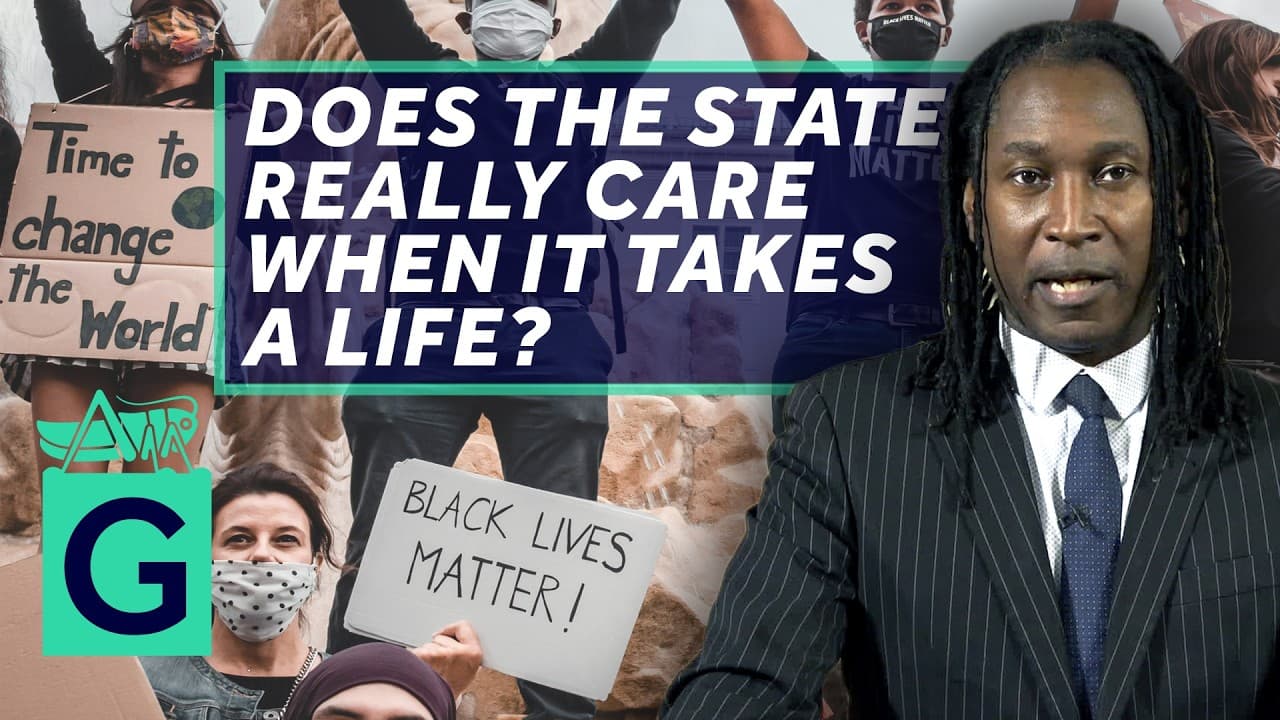
Does the State Value Human Life When It Kills?
TL;DR
The state has a duty to investigate deaths caused by its agents to ensure accountability and justice. Expectations include timely investigations, transparency, and equitable representation for the bereaved. However, systemic failures and disparities in treatment, particularly towards marginalized groups, indicate a troubling reality about the state's commitment to human rights.
Transcript
- Welcome. Welcome to the first of six lectures this year and next year. Let me say this, I'm really proud to be here. Gresham has a great, long history of providing free education. And I would like to pay tribute to Professor Joe Dillahunty for all the fantastic work she did as a professor of law in the last four years. Joe, you've left me some re... Read More
Key Insights
- 🔬 The state has a duty to investigate deaths caused by state agents, ensuring transparency, accountability, and prevention of future deaths.
- 🖤 State violence disproportionately affects marginalized groups, including Black people, the poor, and those with mental illness.
- 🖐️ Inquests play a critical role in holding the state accountable, but the lack of prosecutions raises concerns about the effectiveness of current processes.
- 🪡 The media needs to report responsibly on issues that contribute to harm, such as housing inequality and racist policing, in order to prevent future tragedies.
- 👪 Individual families have different needs, some may find an apology sufficient while others seek accountability and compensation.
Install to Summarize YouTube Videos and Get Transcripts
Explore YouTube Video Summarizer or Get YouTube Transcript Extractor
Questions & Answers
Q: How does the European Convention on Human Rights shape the state's investigative duty in cases of deaths caused by the state?
The European Convention imposes a positive obligation on the state to investigate deaths caused by the state, including a duty to secure evidence, determine the circumstances of death, and hold those responsible accountable. It emphasizes independence, adequacy, and effectiveness in investigations.
Q: Why do state-related killings disproportionately affect marginalized groups?
State violence affects everyone, but marginalized groups, including Black people, the poor, and those with mental illness, are at higher risk due to systemic discrimination and unequal treatment. This leads to disparities in policing, sentencing, and access to essential services.
Q: How effective are inquests in holding the state accountable for deaths?
Inquests have the potential to hold the state accountable, but there have been few successful prosecutions of state agents for homicides. The lecture raises concerns about the lack of substantial consequences for state-related killings and the need for improvements in the inquest process.
Q: How can the media contribute to preventing harm by reporting on issues such as housing inequality and racist policing?
Responsible journalism is crucial in accurately reporting and highlighting systemic issues that contribute to harm, such as housing inequality and racist policing. The media should avoid demonizing victims and provide fair and balanced coverage that promotes understanding and accountability.
Summary & Key Takeaways
-
The lecture discusses the importance of investigating deaths caused by the state and the need for transparency and accountability.
-
It emphasizes the expectations for a caring state, including timely and thorough investigations, equality of arms, prevention of collaboration among state agents, and fair treatment.
-
The lecture highlights disparities in the impact of state violence, particularly on marginalized groups such as Black people and those with mental illness.
Read in Other Languages (beta)
Share This Summary 📚
Summarize YouTube Videos and Get Video Transcripts with 1-Click
Try YouTube Summary with ChatGPT & Claude or YouTube Transcript Generator
Explore More Summaries from Gresham College 📚

Summarize YouTube Videos and Get Video Transcripts with 1-Click
Try YouTube Summary with ChatGPT & Claude or YouTube Transcript Generator