Why Is the Iran War Happening and Its Global Impact?
TL;DR
The Iran war is not a traditional conflict over resources or power dynamics, but rather an eschatological war with complex implications for the global economy. It involves intricate interactions between the US dollar system, global financial structures, and secret societies, and is deeply intertwined with religious and ideological beliefs that could lead to widespread economic and social upheaval.
Transcript
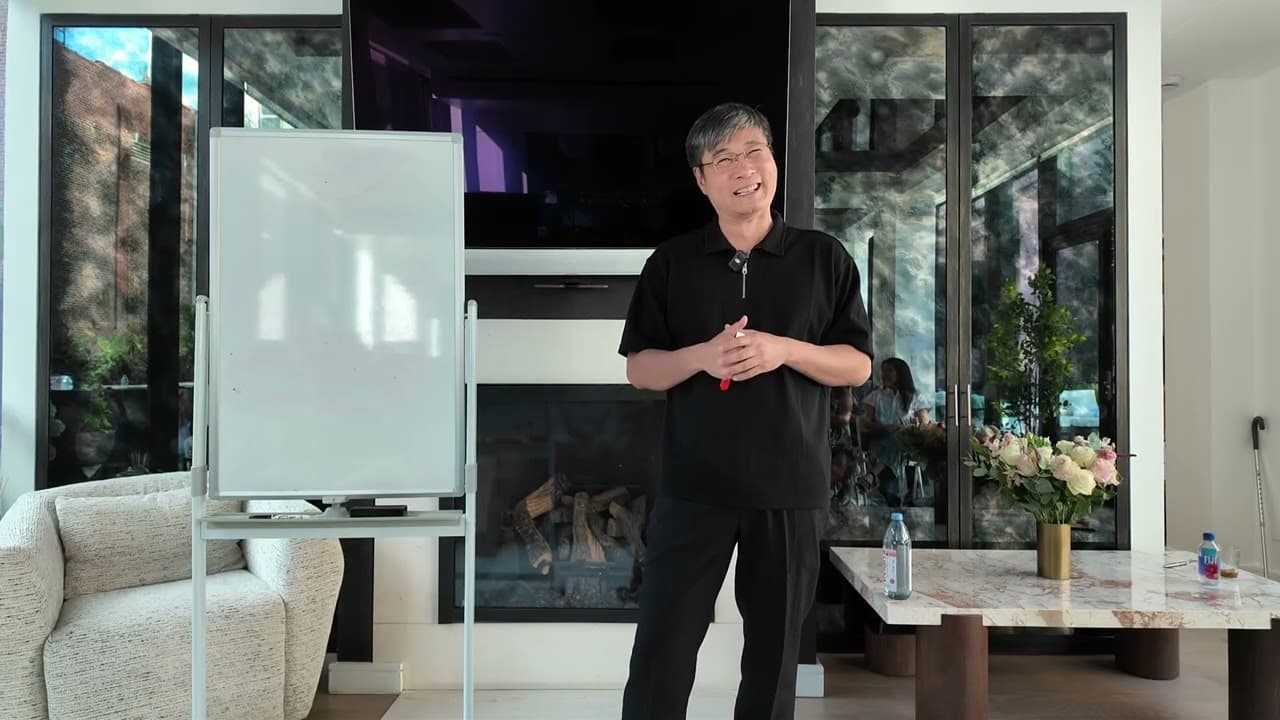
Thank you so much. Um, it's great to be back in New York City and, uh, tonight there's a lot to discuss. Um, and what I want to focus on tonight is the Iran war, of course, why it's happening, where it's going. Um, so the main argument I want to make you I want to make today is the war in Iran. It is not an traditional war that that you can analyze... Read More
Key Insights
- The Iran war is described as an eschatological conflict, not driven by traditional motives like resources or power.
- The global economy is structured around the GCC providing energy to East Asia, which manufactures goods for the West.
- The US dollar system causes financialization, leading to corruption, inequality, and debt in the US.
- The Pax Americana system requires the US to maintain global peace, leading to a large military budget.
- Secret societies and transnational capitalism play a significant role in shaping global events and policies.
- The war in Iran is seen as a threat to the global economy, potentially leading to its collapse.
- The speaker suggests a solution involving financial aid to Iran and containment of Israel, though unlikely to happen.
- The conflict is viewed through a religious lens, with beliefs about the end times influencing actions and policies.
Install to Summarize YouTube Videos and Get Transcripts
Explore YouTube Video Summarizer or Get YouTube Transcript Extractor
Questions & Answers
Q: How is the Iran war different from traditional conflicts?
The Iran war is considered an eschatological conflict, meaning it is driven by religious and ideological beliefs about the end times rather than traditional motives like resources or power. This perspective suggests that the war's purpose is to fulfill certain prophecies, making it complex and unpredictable.
Q: What role does the US dollar play in the global economy?
The US dollar acts as the global reserve currency, facilitating international trade and financial transactions. However, this system leads to financialization, where the US becomes the world's financial center but loses its manufacturing base, resulting in corruption, inequality, and debt within the country.
Q: Why is the US military budget so large?
The US military budget is large because the Pax Americana system requires the United States to ensure global peace and free maritime navigation for international trade. This responsibility necessitates a significant military presence worldwide, which is costly and places a financial burden on the US.
Q: What is the relationship between secret societies and global politics?
Secret societies are believed to play a significant role in global politics by coordinating actions across nations and influencing major events. These groups, often aligned with transnational capital interests, operate behind the scenes to shape policies and decisions that affect the global economy and political landscape.
Q: How does the Iran war threaten the global economy?
The Iran war threatens the global economy by potentially disrupting the energy supply from the Middle East, which is crucial for East Asia's manufacturing sector. This disruption could lead to economic instability, affecting the flow of US dollars and causing a ripple effect throughout the global financial system.
Q: What solution does the speaker propose for ending the Iran war?
The speaker suggests that the US could end the Iran war by providing $2 trillion to Iran and containing Israel's military actions. This financial aid would eventually benefit the US economy as it gets recycled back, and containing Israel would reduce regional tensions. However, this solution is deemed unlikely to be implemented.
Q: How do religious beliefs influence the Iran war?
Religious beliefs, particularly those related to eschatology, heavily influence the Iran war. Certain factions view the conflict as a means to fulfill prophecies about the end times, which involves ushering in the Messiah or the return of Jesus. These beliefs drive actions and policies that may seem irrational from a geopolitical perspective.
Q: What is the role of transnational capitalism in the Iran war?
Transnational capitalism plays a role in the Iran war by aligning with religious factions that seek to fulfill eschatological prophecies. The interests of capitalists often converge with these groups, as war and conflict can create opportunities for capital extraction and investment in post-conflict reconstruction, benefiting those who control global capital.
Summary & Key Takeaways
-
The Iran war is not a typical conflict but an eschatological one, deeply rooted in religious and ideological beliefs that aim to usher in the end times. This perspective explains why the war seems irrational from a traditional geopolitical standpoint.
-
The global economy relies heavily on a system where the GCC supplies energy to East Asia for manufacturing, which is then consumed by the West. This system is underpinned by the US dollar but leads to significant issues like financialization, corruption, and inequality.
-
Secret societies and transnational capitalism are influential in global politics, often acting behind the scenes to shape major events. The speaker argues that these groups are aligned with certain religious factions, further complicating the geopolitical landscape.
Read in Other Languages (beta)
Share This Summary 📚
Summarize YouTube Videos and Get Video Transcripts with 1-Click
Try YouTube Summary with ChatGPT & Claude or YouTube Transcript Generator
Explore More Summaries from Predictive History 📚



Summarize YouTube Videos and Get Video Transcripts with 1-Click
Try YouTube Summary with ChatGPT & Claude or YouTube Transcript Generator