What Do Nepali Chefs Advise Youngsters Going Abroad?
TL;DR
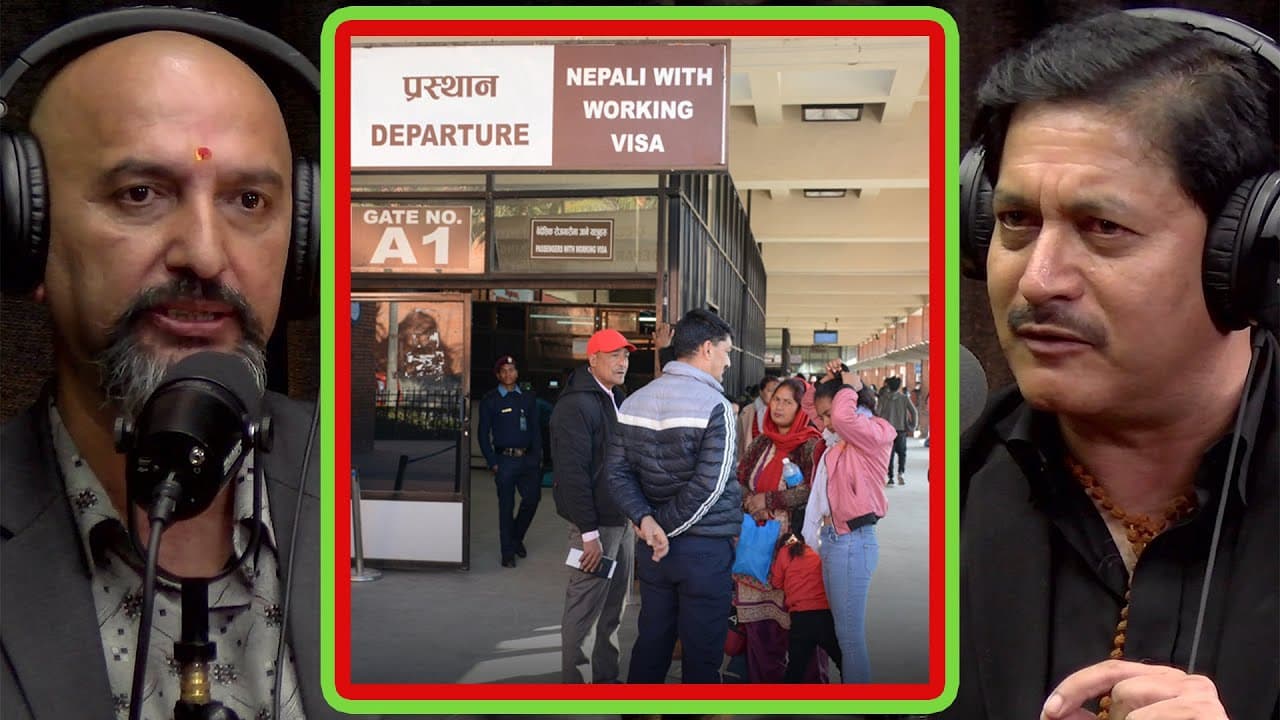
Nepali chefs emphasize the importance of understanding cultural nuances and language barriers for youngsters planning to go abroad. They suggest embracing the local culture and improving language skills to enhance communication and integration, which are vital for personal and professional success in a foreign environment.
Transcript
foreign foreign foreign foreign uh um foreign once here um foreign foreign decide okay okay foreign foreign this program is brought to you by vyas Studios Read More
Key Insights
- ⚾ Multilingual individuals frequently navigate intentionally switching languages based on context to facilitate effective communication.
- 🏋️ Some languages carry emotional weight that can alter the dynamics of dialogues differently than others, affecting personal connections.
- 😑 The interplay between language and music highlights cultural significance, providing a unique tool for expression across different speakers.
- 👥 Proficiency disparities among speakers can create barriers or enhance group dynamics, influencing social hierarchies in multilingual settings.
- 🥺 The cognitive load of multilingual communication can lead to fatigue, especially in high-stakes situations requiring immediate responses.
- 😑 Individuals often use code-switching as a strategy not just for clarity but as a form of cultural identity expression and solidarity.
- 🤟 The subtleties of laughter, intonation, and gestures can vary widely across languages, reflecting deeper cultural understandings and emotional resonance.
Install to Summarize YouTube Videos and Get Transcripts
Explore YouTube Video Summarizer or Get YouTube Transcript Extractor
Questions & Answers
Q: What are some common challenges in multilingual communication?
Multilingual communication often involves challenges such as language switching, which can lead to confusion or misinterpretations. Additionally, speakers may experience difficulty in expressing nuanced ideas when the words or constructs in their languages differ. Social contexts can also dictate which language is appropriate, adding another layer of complexity to the interactions.
Q: How does music influence multilingual communication?
Music can serve as a bridge in multilingual communication by evoking shared cultural experiences and emotions. It can also help to relax speakers, making them more comfortable when switching languages. Furthermore, songs often incorporate various languages and dialects, facilitating an environment where multilingual speakers can connect and resonate with each other’s experiences through shared melodies.
Q: In what ways does cultural background affect language use?
A person's cultural background significantly influences their language use; it shapes not only vocabulary but also gestures and expressions. People often subconsciously adopt specific dialects or speech patterns based on their upbringing and environment, which can lead to differing identity perceptions among peers. Thus, cultural heritage and experiences play a foundational role in language fluidity and social dynamics.
Q: What role does language proficiency play in social interactions?
Language proficiency can greatly affect social interactions, as individuals may feel more or less confident depending on their language skills. Those fluent in a particular language often take a leadership role in conversations, while less proficient speakers may feel marginalized. This dynamic can influence both the quality of interaction and the formation of social bonds within diverse groups.
Summary & Key Takeaways
-
The content highlights the challenges individuals face when navigating multiple languages, including the influence of background and context on language use.
-
It emphasizes the role of music and cultural elements in enhancing or complicating multilingual communication.
-
The program also features insights into how language proficiency affects social interactions and self-expression across different linguistic settings.
Read in Other Languages (beta)
Share This Summary 📚
Summarize YouTube Videos and Get Video Transcripts with 1-Click
Try YouTube Summary with ChatGPT & Claude or YouTube Transcript Generator