What does Korea claim about Ukraine inciting a war?
TL;DR
The president claimed Ukraine is plotting to incite a war on the Korean Peninsula, a statement debated for its justification and accuracy. The discussion covered whether there was evidence for such a claim, consultation with officials, and differing views on how firmly to respond to North Korea versus Ukraine. The exchange highlighted tensions in international messaging.
Transcript
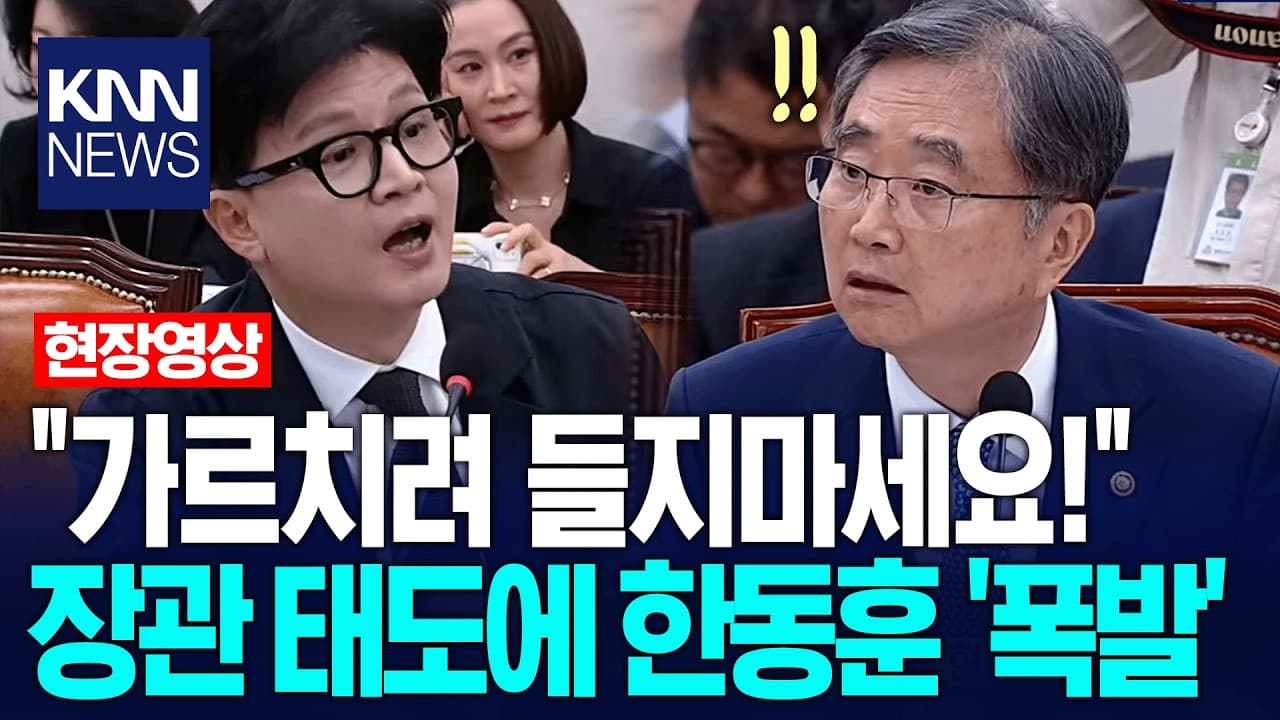
Minister of Foreign Affairs, is Ukraine plotting to incite a war on the Korean Peninsula? >> I am not sure what you are referring to . >> On October 2nd, President Lee Jae-myung posted this on X. He said he has serious concerns about Ukraine, which is plotting to incite a war on the Korean Peninsula. Haven't you seen it? >> Ah, are you talkin... Read More
Key Insights
- Ukraine is accused of potentially inciting a war on the Korean Peninsula, according to a presidential statement.
- The exact wording of international remarks is treated as crucial and must be supported by evidence, according to the interviewee.
- There is emphasis on whether proper consultation occurred before a high level statement was made.
- Officials discuss the lack of independent sanctions designated under the current administration.
- The conversation probes why Ukraine is treated differently from North Korea in terms of firmness of response.
- There is skepticism about media reports and leaks affecting official positions.
- The discussion touches on coordination between the Presidential Office and the Ministry of Foreign Affairs.
- There is an ongoing debate about how to handle diplomatic responses to Ukraine versus North Korea.
Install to Summarize YouTube Videos and Get Transcripts
Explore YouTube Video Summarizer or Get YouTube Transcript Extractor
Questions & Answers
Q: What is the central claim about Ukraine made by the President?
The central claim made is that Ukraine is plotting to incite a war on the Korean Peninsula. The President suggested this possibility after a landmine incident and stated that a Ukrainian Presidential Office official referenced it as a possible outcome. The interview emphasizes that such a claim should be precise, essential, and backed by evidence, with accountability for the wording.
Q: Was there consultation with the Ministry of Foreign Affairs before the statement was made?
Yes, the response indicates that there is close consultation on everything, including statements. The discussion implies that the administration coordinates with the Presidential Office on diplomatic matters, and there was an assertion that such coordination exists when a bombshell claim is made. The implication is that processes were followed, though specifics are not detailed.
Q: How does the interview address the issue of proof for the Ukraine claim?
The interview questions whether there is proof for the claim and whether it is based on a fact rather than an emotion. The discussion stresses that if Ukraine is truly plotting to incite a war, the claim should be supported by evidence rather than speculation, and the responsibility for that evidence lies with the statement’s author.
Q: What is said about how North Korea is treated compared to Ukraine?
The dialogue questions why there is a perception of being firm with Ukraine while not applying the same firmness to North Korea. It raises concerns about a potential imbalance in addressing threats and suggests evaluating whether North Korea should receive a more consistent or assertive response given similar or different circumstances.
Q: What was discussed about independent sanctions under the current administration?
The discussion notes that there have been no independent sanctions designated since the start of the Lee Jae myung administration. It attributes this to ongoing review and decision-making processes, and mentions that the issue was discussed in the NSC on October 1st, highlighting a delay in implementing sanctions compared to expectations.
Q: What role does media reporting play in the debate?
Media reports and leaks are referenced as influencing public perception and the administration’s position. The interview questions whether leaked information or exaggerated reports should be refuted and notes the tension between what is reported in outlets like JoongAng Ilbo and official security matters, suggesting the need for careful handling of such information.
Q: How are differences of opinion within the committee handled?
The dialogue indicates that differences of opinion can exist, but there is an effort to maintain decorum and avoid public confrontations. It suggests that direct contradictions are avoided in public settings while acknowledging internally that diverse views may exist, and it calls for orderly and respectful discourse.
Q: What is the overall tone regarding answering questions from the National Assembly?
The tone emphasizes accountability to the public through the National Assembly, with a clear expectation that ministers should answer directly rather than lecture lawmakers. It frames the interaction as a test of transparency, insistence on clear responses, and willingness to provide substantial information to the public in a formal setting.
Summary & Key Takeaways
-
The video presents a tense exchange over whether Ukraine is plotting to incite war on the Korean Peninsula, focusing on evidence, responsibility, and diplomatic strategy.
-
The discussion questions the presidential wording, the process of making such a claim, and how to balance responses to North Korea and Ukraine in international relations.
-
The segment includes criticism of handling information leaks, sanctions timing, and the stance of various officials in Korea regarding Ukraine and North Korea.
Read in Other Languages (beta)
Share This Summary 📚
Summarize YouTube Videos and Get Video Transcripts with 1-Click
Try YouTube Summary with ChatGPT & Claude or YouTube Transcript Generator
Explore More Summaries from KNN NEWS 📚
Summarize YouTube Videos and Get Video Transcripts with 1-Click
Try YouTube Summary with ChatGPT & Claude or YouTube Transcript Generator