What Are the Key Issues in the Online Coaching Industry?
TL;DR
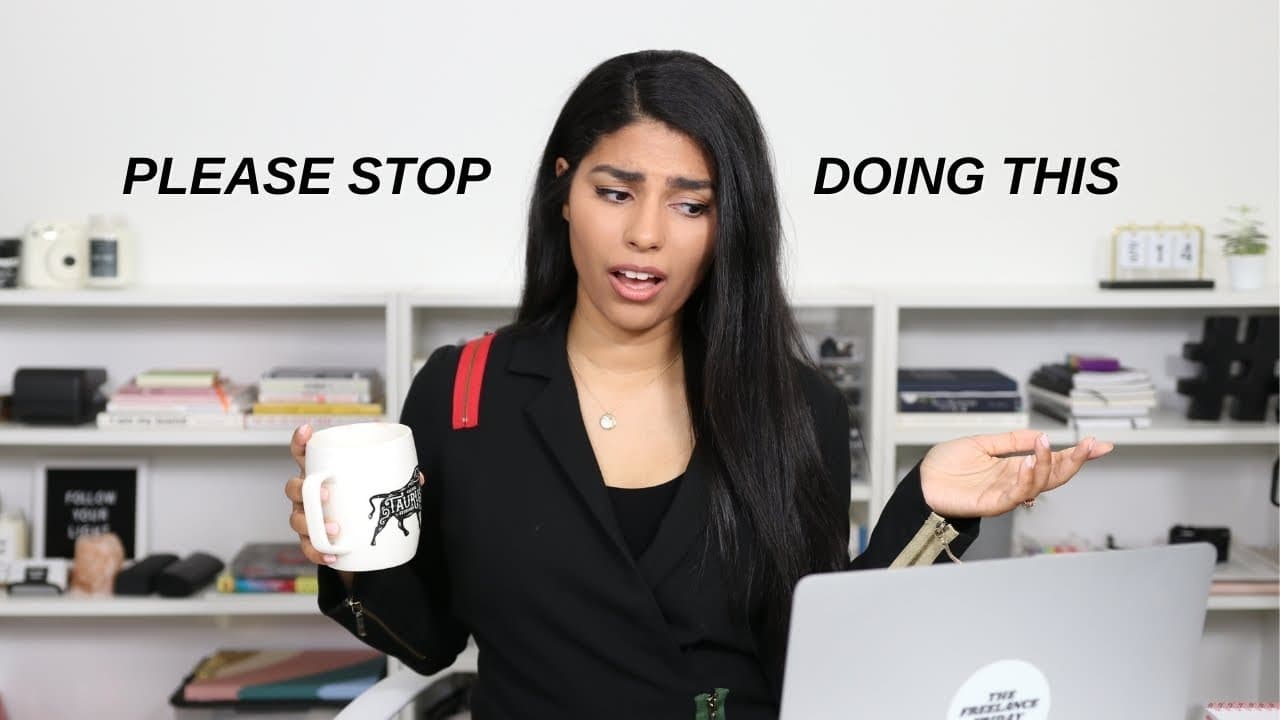
The online coaching industry faces ethical challenges, including bad practices like coaches ghosting clients and prioritizing sales over genuine assistance. Hiring a coach is recommended only after you've developed a proof of concept in your business. Clients should also look for coaches who understand their unique situations and offer support without pressuring them into financial commitments.
Transcript
it's like the coaches coach the coaches to coach the coaches and then they all have the same talking points do you guys know what i mean whoever is leading that charge i feel like is preying upon people who are desperate hey everyone what's up and welcome back to another episode of the freelance friday podcast i'm your host latasha james you can fi... Read More
Key Insights
- The coaching industry often involves coaches training other coaches, leading to repetitive talking points and potential exploitation of newcomers.
- Instances of coaches disappearing after receiving payment highlight the need for ethical selling and transparency in the coaching industry.
- Hiring a coach is not always necessary at the start of a business; it's more beneficial when there's a clear proof of concept.
- Clients should be wary of coaches who pressure them into financial commitments without respecting their decision-making process.
- Coaching is not a quick fix or life raft; clients need to have a plan and realistic expectations about business growth.
- Effective coaching requires empathy and understanding of clients' unique situations, which helps in delivering personalized guidance.
- Coaches should focus on delivering value and developing comprehensive programs rather than just mastering sales tactics.
- Offering diverse touchpoints, like courses and group programs, allows coaches to cater to different client needs and budgets.
Install to Summarize YouTube Videos and Get Transcripts
Explore YouTube Video Summarizer or Get YouTube Transcript Extractor
Questions & Answers
Q: What are some unethical practices in the coaching industry?
Unethical practices in the coaching industry include coaches disappearing after receiving payment, pressuring clients into financial commitments without respecting their decision-making process, and selling services without delivering promised value. These practices exploit clients, particularly those new to the industry, and highlight the need for ethical standards.
Q: When is the right time to hire a coach?
The right time to hire a coach is when you have a clear proof of concept and some experience in your business. It's beneficial when you have steady income or an emergency fund and are looking to scale your business. Hiring a coach isn't always necessary at the start of a business.
Q: What should clients consider before committing to a coaching program?
Clients should consider whether the coach respects their decision-making process, offers discovery calls, and empathizes with their unique situation. It's important to ensure the coach delivers value and has a comprehensive program rather than just mastering sales tactics. Clients should also have realistic expectations and a clear plan.
Q: How can coaches ensure they are delivering value?
Coaches can ensure they are delivering value by developing comprehensive programs, understanding clients' unique needs, and providing personalized guidance. They should focus on delivering what they promise and continuously investing in their own development to improve their services. Offering diverse touchpoints like courses and group programs can also enhance value.
Q: Why is empathy important in coaching?
Empathy is important in coaching because it helps coaches understand clients' unique situations and challenges. This understanding allows coaches to provide personalized guidance and support, which is essential for effective coaching. Empathy builds trust and rapport, making the coaching relationship more productive and meaningful for clients.
Q: What is the role of proof of concept in hiring a coach?
Proof of concept is crucial before hiring a coach because it demonstrates that your business idea is viable and has potential for growth. It ensures that the investment in coaching will be worthwhile and that you have a foundation to build upon. Proof of concept helps in making informed decisions about business investments.
Q: What are the dangers of get-rich-quick culture in coaching?
The get-rich-quick culture in coaching can lead to unrealistic expectations and poor decision-making. It pressures clients into financial commitments without a clear plan, leading to potential financial strain. This culture undermines the importance of sustainable growth and realistic business strategies, which are essential for long-term success.
Q: How can clients test a coach's suitability before committing?
Clients can test a coach's suitability by engaging with their free content, such as videos or podcasts, to understand their teaching style. Participating in lower-cost programs or courses can also provide insight into the coach's methods and effectiveness. Discovery calls offer an opportunity to discuss expectations and assess compatibility before committing.
Summary & Key Takeaways
-
The podcast discusses the pitfalls in the coaching industry, such as unethical practices and the repetitive cycle of coaches training coaches. It emphasizes the need for ethical selling and understanding individual client needs.
-
Hiring a coach is not imperative at the beginning of a business. The podcast recommends establishing a proof of concept before investing in coaching to ensure it's a worthwhile investment.
-
Clients should be cautious of coaches who pressure them into financial commitments and should seek those who offer empathy and personalized guidance. The importance of delivering value over merely selling is highlighted.
Read in Other Languages (beta)
Share This Summary 📚
Summarize YouTube Videos and Get Video Transcripts with 1-Click
Try YouTube Summary with ChatGPT & Claude or YouTube Transcript Generator
Explore More Summaries from Latasha James 📚




Summarize YouTube Videos and Get Video Transcripts with 1-Click
Try YouTube Summary with ChatGPT & Claude or YouTube Transcript Generator