How Do Virtual Classroom Visits Enhance Faculty Teaching?
TL;DR
Virtual classroom visits improve faculty teaching by allowing educators to record and reflect on full class sessions. Selected video segments showcase effective pedagogy, enabling instructors to share insights and receive feedback. This collaborative approach fosters a community of practice, enhancing instructional techniques among faculty members.
Transcript
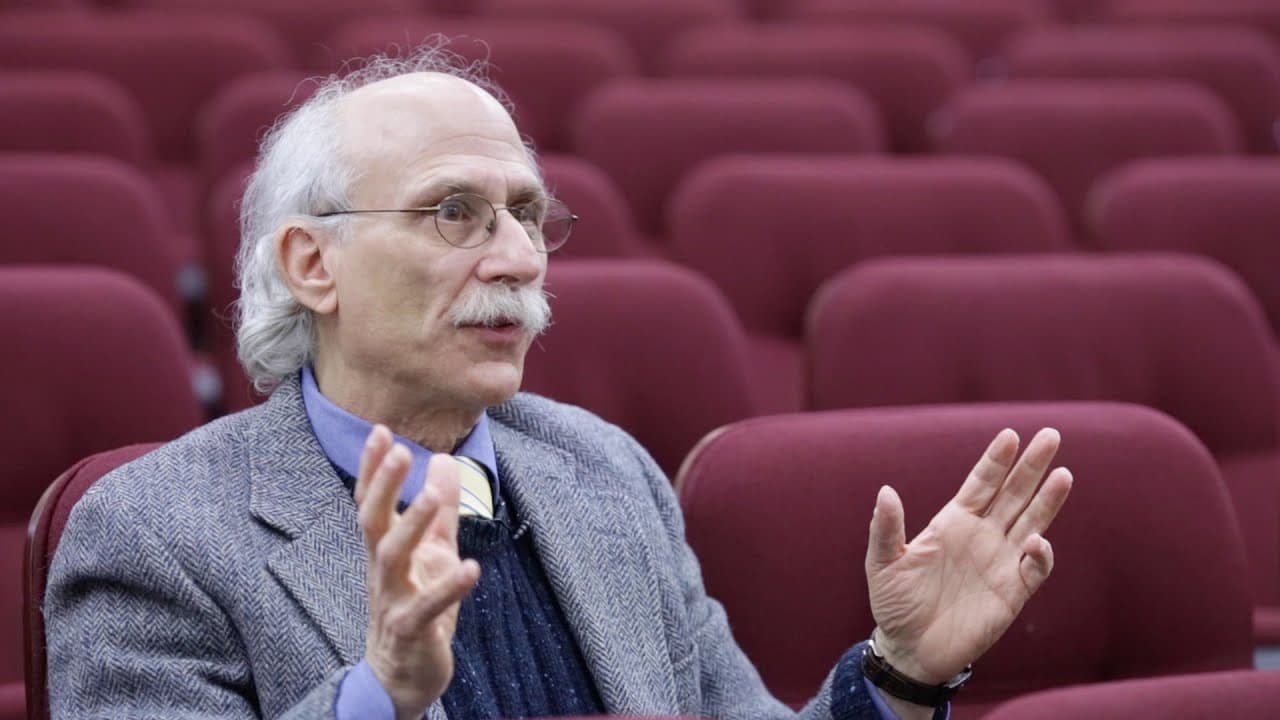
you know we're sitting here in the largest Amphitheatre at the edge school a beautiful auditorium where we hold terrific forums but neither I nor any of my colleagues and the EDD school faculty like to teach in this room and the reason is that we'd like to engage learners in many different ways not sitting passively in fixed chairs but working with... Read More
Key Insights
- 💨 The EDD School faculty seeks to enhance teaching by engaging learners in different ways and sharing teaching techniques.
- 🥺 Physical visits to each other's classrooms were challenging to arrange, leading to the adoption of virtual visits.
- 🪈 Virtual visits involve recording classroom sessions, selecting segments for reflection, and conducting interviews with instructors.
- 🫵 Materials from virtual visits are posted on a dedicated website for faculty to view and reflect on.
- 🧑🏫 Discussion group meetings facilitate collective reflective practice and deeper discussions about teaching techniques and purposes.
- 🧑🏫 The focus on teaching project encourages faculty members to experiment and learn from each other's classrooms.
- ❓ The virtual visit initiative is made possible through support from the learning Technology Center and a hilt grant.
Install to Summarize YouTube Videos and Get Transcripts
Explore YouTube Video Summarizer or Get YouTube Transcript Extractor
Questions & Answers
Q: How do HILT-supported virtual classroom visits help Ed School faculty improve teaching?
Virtual visits let faculty observe colleagues’ teaching without spending two or three hours in another classroom. They combine selected classroom footage, instructor reflections, and faculty discussion meetings to support shared learning about pedagogy.
Q: Why was the Faculty Focus on Teaching project created?
Faculty wanted to experiment more with teaching, learn from one another, and better engage students in constructing their own learning. The project was created to encourage classroom visits, feedback exchanges, and the sharing of teaching techniques.
Q: Why do faculty members not like teaching in the Ed School’s largest amphitheater?
They prefer to engage learners in multiple ways instead of having them sit passively in fixed chairs. Their favored approaches include interactive work and small-group activities.
Q: Why were in-person classroom visits difficult to arrange?
The visits required coordinating faculty schedules and spending two or three hours in a colleague’s classroom. Preparation and debriefing added further time, so not many faculty members could participate.
Q: How is a virtual classroom visit conducted?
The project records an entire session, including the instructor and the students’ activities. It then typically selects two unedited 10-minute segments that demonstrate interesting pedagogy.
Q: Why are the selected classroom segments left unedited?
The project does not compress the footage or remove stumbles and missteps. Keeping the segments unedited gives faculty a fuller basis for examining what happened during the lesson.
Q: What does the instructor interview cover?
The instructor watches the selected material and discusses the intentions behind the lesson and how it went. The interview also addresses reactions to seeing the session and thoughts about where to go next.
Q: What happens after the virtual-visit materials are posted?
The video clips and audio interview are posted on the Faculty Focus on Teaching website. Faculty discussion groups view the materials, closely examine the teaching segment, and reflect on how different techniques serve their broader teaching purposes.
Summary & Key Takeaways
-
The EDD School faculty wants to engage learners in various ways and share teaching techniques and understandings about pedagogy.
-
The focus on teaching project encourages faculty to visit each other's classrooms and exchange feedback.
-
Virtual visits are now being facilitated, where classrooms are recorded and selected segments are shared online for reflection and discussion among faculty.
Read in Other Languages (beta)
Share This Summary 📚
Summarize YouTube Videos and Get Video Transcripts with 1-Click
Try YouTube Summary with ChatGPT & Claude or YouTube Transcript Generator
Explore More Summaries from Harvard University 📚

Summarize YouTube Videos and Get Video Transcripts with 1-Click
Try YouTube Summary with ChatGPT & Claude or YouTube Transcript Generator