The Poo Doctor: Can a Cheap Spice Fix a Damaged Gut?
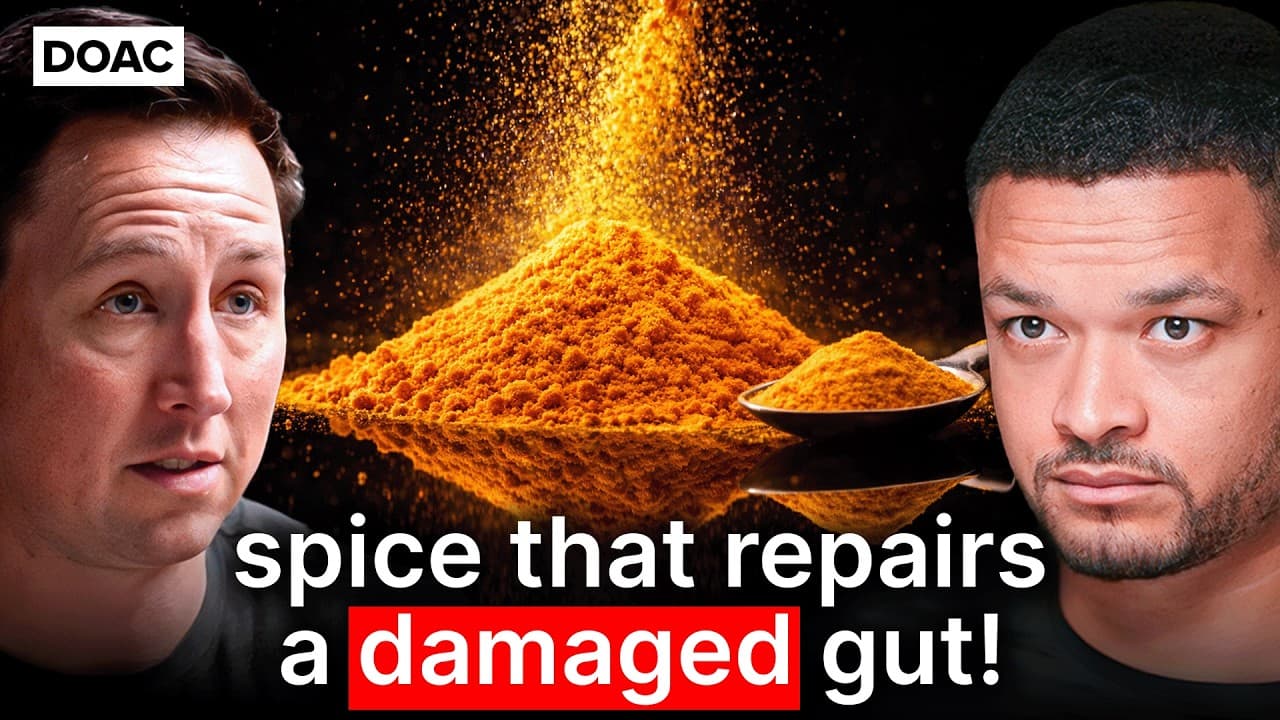
TL;DR
A damaged gut can be repaired by addressing diet and daily routine, according to Dr. Will Bolich, because the gut barrier rebuilds every 3 to 5 days. He connects gut problems with bloating, fatigue, poor concentration, sleep difficulties, skin issues, and chronic low-grade inflammation. The discussion also covers constipation, antibiotics, childhood microbiome development, and a fecal transplant that stopped a life-threatening infection by the next day. Read on for the specific explanations.
Transcript
What's a fecal transplant? You take a healthy person's poop and you transfer it into the person who's sick. For example, a patient of mine took an antibiotic which wipes out your gut, which became life-threatening. Our choices were to remove the colon or to give her a fecal transplant. And so, I delivered the fecal transplant to her. By the next da... Read More
Key Insights
- Fecal transplants involve transferring healthy stool into a sick person's gut to restore balance and combat severe infections like C. diff.
- Chronic inflammation is often driven by a damaged gut microbiome, not just genetic factors.
- Leaky gut can trigger a range of health issues, including bloating, immune dysfunction, and chronic diseases.
- Fermented foods and high-fiber diets are essential for rebuilding a healthy gut microbiome.
- The gut-brain connection influences mood, focus, and longevity, highlighting the importance of gut health.
- Alcohol consumption can cause leaky gut, leading to increased inflammation in the body.
- Antibiotics can severely disrupt the gut microbiome, doubling the risk of developing bowel diseases.
- A consistent daily routine, including regular meals and exercise, supports a healthy circadian rhythm and gut health.
Install to Summarize YouTube Videos and Get Transcripts
Explore YouTube Video Summarizer or Get YouTube Transcript Extractor
Questions & Answers
Q: How can you repair a damaged gut?
Dr. Will Bolich says the gut can be repaired and that a new gut barrier is built every 3 to 5 days. He identifies four things missing from the diet, along with a daily routine designed to optimize the microbiome, though the excerpt does not list those items.
Q: What is a fecal transplant, and how can it help?
A fecal transplant transfers stool from a healthy person into someone who is sick. Dr. Bolich describes a patient whose antibiotic-related infection became life-threatening; after he delivered a fecal transplant, the entire infectious issue was shut down by the next day.
Q: What is the number one cause of bloating?
Dr. Bolich identifies constipation as the number one cause of bloating. He also advises people with bloating not to sip through straws, drink carbonated beverages, or chew gum because these behaviors can make it worse.
Q: What are subtle signs of gut problems and inflammation?
The discussion links gut problems and chronic low-grade inflammation with bloating, increased fatigue, difficulty concentrating, poor sleep, skin issues, aches, and painful joints. These symptoms may fly below the radar, and even a doctor may not immediately recognize inflammation as a possible driver.
Q: Can a thin or physically fit person still have inflammation?
Yes. Dr. Bolich says a person can be skinny and in shape while still having inflammation, so it is not solely a weight-related issue.
Q: What is chronic low-grade inflammation?
Inflammation occurs when the immune system is activated, which is helpful for clearing an infection or healing an injury. Chronic low-grade inflammation is different because the immune system remains active when it is not needed, potentially operating 24 hours a day, seven days a week and contributing to new health problems.
Q: How do early childhood choices affect the gut microbiome?
By 3 years of age, the microbiome is described as essentially adult-sized. Antibiotics, bottle feeding, and birth by cesarean section are associated with effects on the microbiome and an increased risk of allergic, autoimmune, and metabolic diseases.
Q: Why is the gut microbiome important?
Dr. Bolich says the microbiome accounts for 60% of the weight of stool. The rapid response of his patient after a fecal transplant illustrates how changing the microbiome can affect a severe infectious problem.
Summary & Key Takeaways
-
Fecal transplants can swiftly restore gut health by rebalancing the microbiome, as seen in cases of severe C. diff infections. This process highlights the critical role of gut health in managing inflammation and overall well-being.
-
Chronic inflammation, often linked to a damaged gut, can lead to various health problems, including cancer and autoimmune diseases. Dietary changes, such as increasing fiber intake and avoiding antibiotics, can significantly reduce inflammation.
-
Maintaining a consistent daily routine, including regular meals and exercise, supports a healthy circadian rhythm and gut health. This holistic approach can enhance mood, focus, and longevity by improving gut health and reducing inflammation.
Read in Other Languages (beta)
Share This Summary 📚
Summarize YouTube Videos and Get Video Transcripts with 1-Click
Try YouTube Summary with ChatGPT & Claude or YouTube Transcript Generator
Explore More Summaries from The Diary Of A CEO 📚






Summarize YouTube Videos and Get Video Transcripts with 1-Click
Try YouTube Summary with ChatGPT & Claude or YouTube Transcript Generator