5 Ancient Body Myths that Are Wildly Inaccurate
TL;DR
Five ancient body myths, the Four Humors, miasma, tooth worms, emission theory, and recapitulation, gave inaccurate explanations for disease, tooth decay, sight, and embryonic development. The Four Humors model, for example, blamed illness and mental states on imbalances among blood, phlegm, black bile, and yellow bile. Read on to see how observation and medical research overturned each idea.
Transcript
♩ No matter where you go, you have to carry around this meatsack of a body. So of course, over the years, humans have tried to figure out how our bodies work — and how things can go wrong, like with diseases. And yes, sometimes we’ve been completely off base. But that's with the benefit of hindsight, and the forward march of science. So here are 5 ... Read More
Key Insights
- 🖤 Historical understanding of the human body was often based on limited knowledge, cultural beliefs, and the lack of advanced scientific tools.
- 😷 Medical theories like the Four Humors and miasma theory served as attempts to explain the causes of diseases.
- 🤩 The advancement of medical science and the contribution of key individuals helped to debunk these theories and establish more accurate understanding.
- 😷 Understanding the history of scientific misconceptions provides valuable insights into the progress of medical knowledge and the importance of evidence-based research in the present.
Install to Summarize YouTube Videos and Get Transcripts
Explore YouTube Video Summarizer or Get YouTube Transcript Extractor
Questions & Answers
Q: What are five ancient body myths that were wildly inaccurate?
The five myths are the Four Humors, miasma theory, tooth worms, emission theory, and recapitulation theory. They incorrectly explained illness, tooth decay, vision, or human embryonic development.
Q: What did the Four Humors theory claim about the human body?
It claimed that the body contained four fluids: black bile, yellow bile, blood, and phlegm. Illness or abnormal mental states supposedly arose when a person’s unique balance of these humors was disrupted.
Q: How were supposed imbalances in the Four Humors treated?
Bloodletting and purging methods such as vomiting or enemas became popular treatments. They did not work, could severely dehydrate patients, and removed blood that the body needs to transport oxygen, sugar, waste, and other chemicals.
Q: When and why did the Four Humors theory become obsolete?
Challenges appeared in publications during the 16th and 17th centuries, but the theory persisted until around 1858. Rudolf Virchow’s Cellular Pathology helped lay the groundwork for modern medical science, while growing knowledge of the body, germ theory, and pharmacology displaced the humoral model.
Q: What was miasma theory?
Miasma theory held that diseases spread through bad air arising from sources such as decaying matter, swamps, stagnant water, or gases released during earthquakes. It was used to explain the Black Death, other plagues, malaria, and cholera outbreaks.
Q: How did John Snow challenge miasma theory during the 1854 cholera epidemic?
Snow traced high mortality in Soho to a specific water pump, and the death rate fell after the local government removed its handle. He also used statistics to show that people receiving water from upstream sources were much less likely to develop cholera.
Q: Why did people believe tooth worms caused toothaches and cavities?
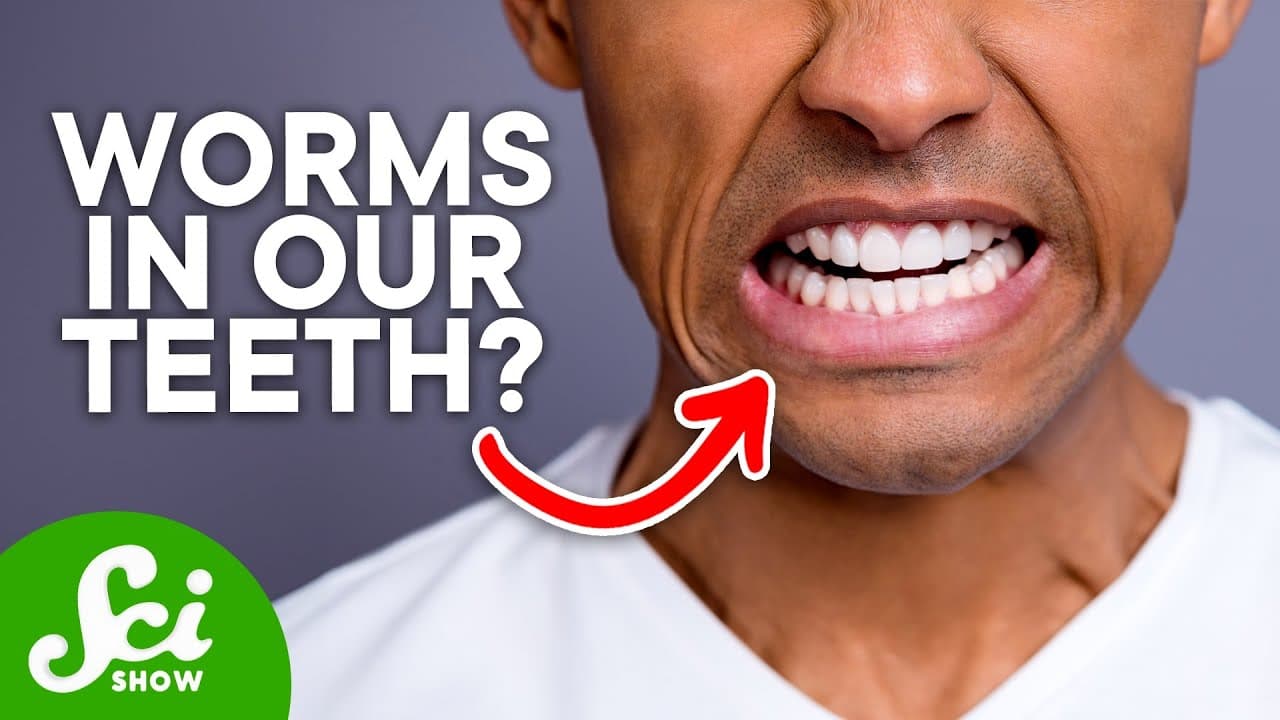
The tooth’s living, non-mineralized pulp can resemble a worm when exposed by severe damage or decay. The belief was later replaced by the explanation that sugar consumption and bacteria in the mouth cause tooth decay.
Q: What did emission theory and recapitulation theory incorrectly claim?
Emission theory proposed that vision occurs because the eyes emit beams of light, whereas sight depends on the retina receiving light. Recapitulation theory claimed that stages of human embryonic development resembled the adult stages of evolutionary ancestors, but later research refuted it.
Summary & Key Takeaways
-
The Four Humors theory, popularized in ancient times, believed that the human body contained four different fluids: black bile, yellow bile, blood, and phlegm. This theory was later debunked with the advancement of medical knowledge.
-
Miasma theory, prevalent during the Middle Ages and the Renaissance, attributed diseases to bad air. It led to various attempts to remove bad odors and improve hygiene, but it was eventually replaced by germ theory.
-
Tooth worms were thought to be the cause of toothaches and cavities, but this belief was replaced by the understanding of tooth decay caused by sugar consumption and mouth bacteria.
-
Emission theory suggested that we can see because our eyes emit beams of light, but modern understanding attributes sight to the reception of light by the retina.
-
Recapitulation theory proposed that the stages of human embryonic development resembled the adult stages of evolutionary ancestors, but this theory was refuted by later research.
Read in Other Languages (beta)
Share This Summary 📚
Summarize YouTube Videos and Get Video Transcripts with 1-Click
Try YouTube Summary with ChatGPT & Claude or YouTube Transcript Generator
Explore More Summaries from SciShow 📚


Summarize YouTube Videos and Get Video Transcripts with 1-Click
Try YouTube Summary with ChatGPT & Claude or YouTube Transcript Generator