How to Create a Forex Swing Trading Study Plan
TL;DR
To create an effective forex swing trading study plan, align your trading style with your lifestyle and goals. Use resources like the 'Ultimate Price Action Trader' and maintain risk management by limiting trades to 1% of your portfolio. Start with paper trading to build confidence and practice strategies before moving to real money.
Transcript
hey guys how's it going so today i'm going to be talking about my trading study plan i'll first talk about how i decided on my trading style as well as the asset class and then i'll be talking about the resources that i'm using and delving into detail about my study plan and then the third part is gonna be on some early updates about how things are... Read More
Key Insights
- The choice of trading style and asset class should align with one's lifestyle, purpose, capital, and priorities.
- Forex swing trading is chosen for its liquidity, smaller account size suitability, and compatibility with technical analysis.
- Discretionary trading is preferred initially to understand market psychology before potentially moving to systematic trading.
- A comprehensive study plan includes using resources like 'Ultimate Price Action Trader' and trading psychology books.
- Risk management is crucial, with each trade not exceeding 1% of the portfolio.
- Paper trading is essential for practicing strategies before using real money to mitigate emotional biases.
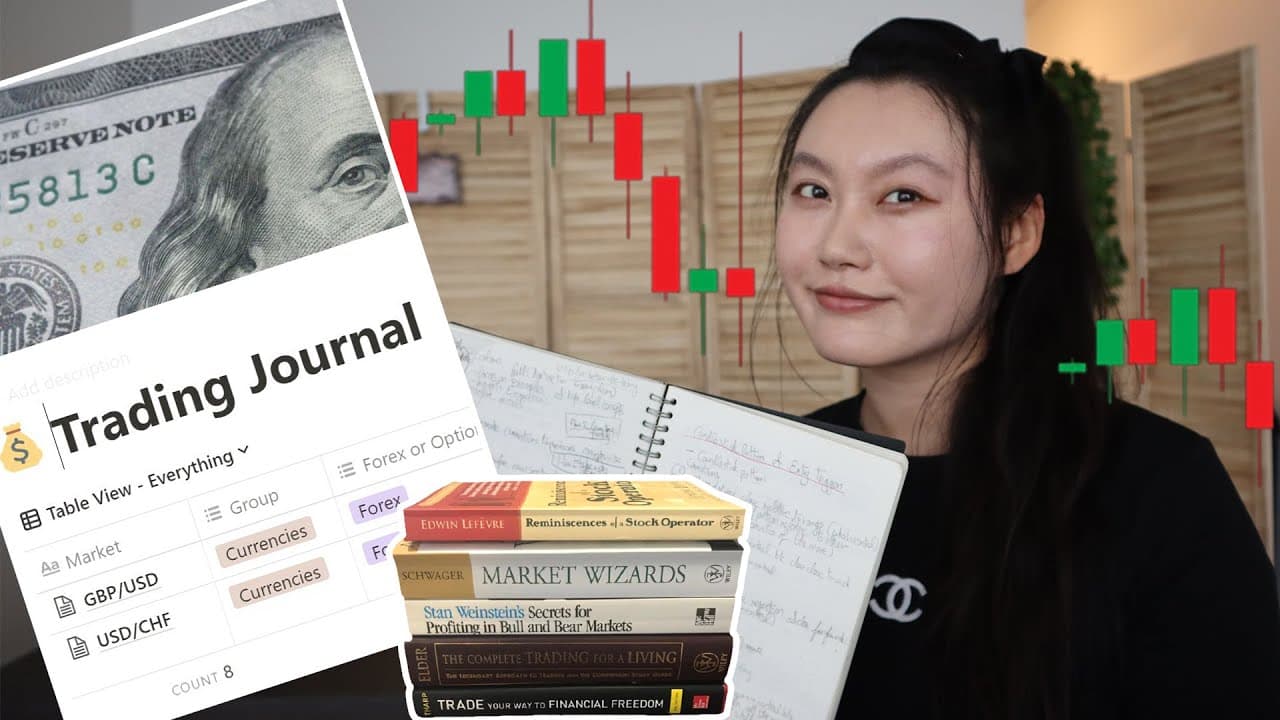
- A trading journal is vital for tracking trades and refining strategies, with Notion being a preferred tool.
- Continuous learning and adapting the study plan are necessary for long-term trading success.
Install to Summarize YouTube Videos and Get Transcripts
Explore YouTube Video Summarizer or Get YouTube Transcript Extractor
Questions & Answers
Q: Why did the speaker choose forex swing trading?
The speaker chose forex swing trading due to its high liquidity, which allows for quick learning through frequent trades. Forex also accommodates smaller account sizes, making it suitable for the speaker's initial $10,000 capital. The 24/5 market hours align well with the speaker's full-time job, enabling trades outside regular work hours.
Q: What resources does the speaker use for learning trading?
The speaker uses 'Ultimate Price Action Trader' by Rayner Teo, known for its focus on forex and logical approach to trading. Additionally, the speaker reads trading psychology books to understand the mental aspects of trading. These resources are supplemented by practical trading experience through paper trading and real trades.
Q: How does the speaker manage risk in their trading plan?
Risk management is a key component of the speaker's trading plan. Each trade is limited to a maximum of 1% of the total portfolio, equating to $100 per trade. This approach minimizes potential losses and allows for sustainable trading while learning and refining strategies.
Q: What is the significance of a trading journal in the speaker's study plan?
A trading journal is crucial for tracking trades, analyzing outcomes, and identifying patterns or mistakes. The speaker uses a Notion template to maintain organized records, which helps in refining strategies and understanding the effectiveness of different approaches over time.
Q: Why did the speaker start with paper trading?
The speaker began with paper trading to practice and refine strategies without the risk of losing real money. This approach helps build confidence and develop a disciplined trading mentality. Once comfortable with the strategies, the speaker transitioned to real money trading, maintaining the same systematic approach.
Q: How does the speaker plan to evaluate the effectiveness of their trading plan?
The speaker intends to follow the trading plan consistently for three to five months before reevaluating its effectiveness. This duration allows enough time to understand the system's strengths and weaknesses, make informed adjustments, and decide whether to continue or explore alternative strategies.
Q: What challenges does the speaker face in their trading journey?
The speaker faces challenges such as managing emotions when trading with real money, maintaining focus on learning rather than short-term gains, and developing a sustainable trading routine. The speaker is working on improving trading frequency and incorporating trading psychology principles into their mindset.
Q: What future improvements does the speaker aim for in their trading plan?
The speaker aims to increase trading frequency to at least 10-15 trades per month and take full advantage of available resources, such as live streams and trading alerts. Additionally, the speaker is working on reducing distractions by setting alerts and using limit orders, enhancing focus on other aspects of life.
Summary & Key Takeaways
-
The video outlines a self-study plan for forex swing trading, emphasizing the importance of aligning trading style with personal circumstances. The speaker chooses forex for its liquidity and suitability for smaller accounts, focusing on swing trading due to time constraints.
-
Resources like 'Ultimate Price Action Trader' and trading psychology books are used to develop a comprehensive understanding of trading concepts. The speaker stresses the importance of risk management and maintaining a trading journal.
-
Initial practice involves paper trading to build confidence and refine strategies before transitioning to real money. The speaker plans to stick with the study plan for several months to evaluate its effectiveness and make necessary adjustments.
Read in Other Languages (beta)
Share This Summary 📚
Summarize YouTube Videos and Get Video Transcripts with 1-Click
Try YouTube Summary with ChatGPT & Claude or YouTube Transcript Generator
Explore More Summaries from Tina Huang 📚



Summarize YouTube Videos and Get Video Transcripts with 1-Click
Try YouTube Summary with ChatGPT & Claude or YouTube Transcript Generator