How to spot AI voice clones in political content
TL;DR
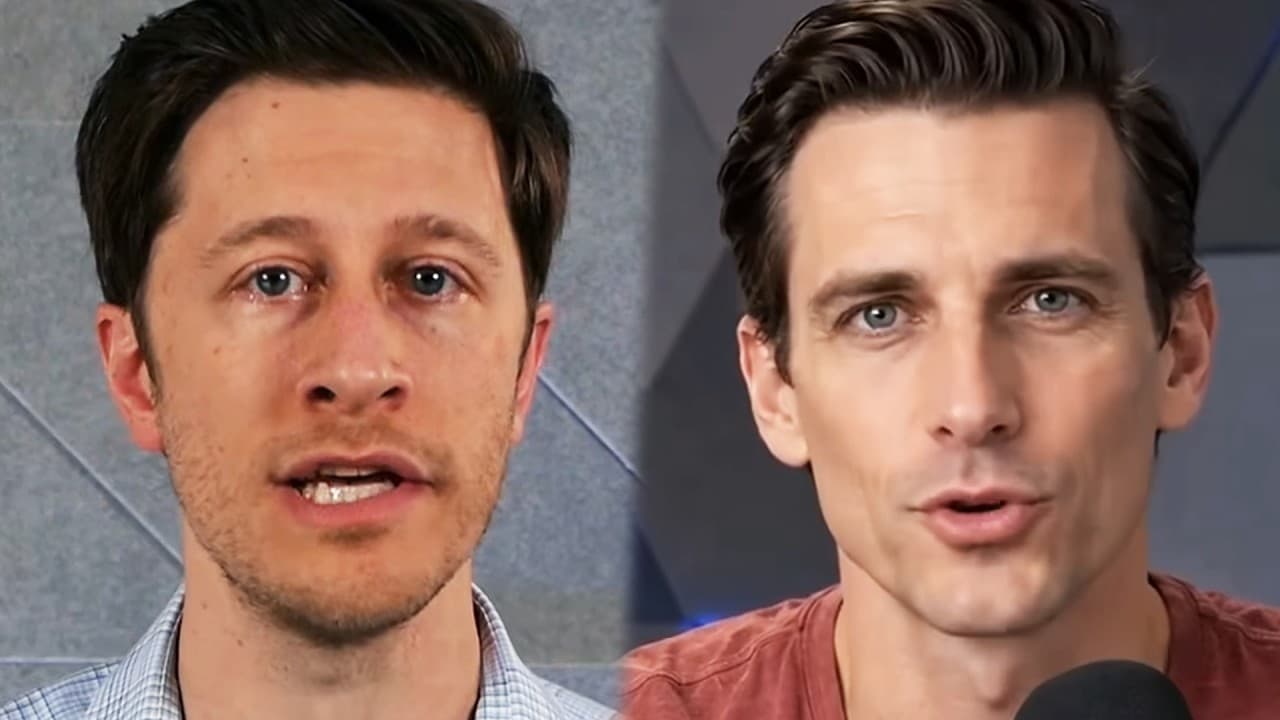
AI voices can be convincingly cloned, making it hard to tell what is real. The key is to verify official channels and watch for inconsistencies in cadence and visuals. The video demonstrates an impersonation of David Pakman using a fake persona and urges viewers to report impersonations and stay skeptical.
Transcript
Am I David Parkman or am I Daniel Carter? Daniel Carter what on earth it has happened? AI is now coming from my job. It's coming for my voice and my identity. Someone in our audience sent me this YouTube video. And it is from another supposed political commentator named Daniel Carter. Now take a listen to Daniel Carter's voice and see if it sounds ... Read More
Key Insights
- AI cloning can produce convincing impersonations of real people.
- The example features an AI persona named Daniel Carter used to narrate content.
- Public figures should verify through official channels to combat misinformation.
- Visuals can be copied to resemble legitimate setups, increasing believability.
- Trusted signals decrease as synthetic content improves over time.
- Viewers can help by reporting impersonations to creators.
- The problem creates plausible deniability for real statements.
- The threat enables fake news channels with low production costs.
Install to Summarize YouTube Videos and Get Transcripts
Explore YouTube Video Summarizer or Get YouTube Transcript Extractor
Questions & Answers
Q: What is AI voice cloning and how does it work in this video
AI voice cloning is the process of creating a synthetic voice that sounds like a real person by using algorithms and voice data. In the video, this technology is shown producing a clone of David Pakman speaking as a fictional host named Daniel Carter, illustrating how such clones can be used to generate political content that appears to come from a real figure. The concern is that, as the technology improves, distinguishing real statements from AI generated ones will become harder, potentially confusing audiences and undermining trust in media.
Q: Why is the cloned voice considered dangerous for political content
The cloned voice is dangerous because it enables impersonation of a political commentator, spreading messages that could be false or misleading while appearing legitimate. The video highlights the risk of thousands of fake channels and synthetic experts producing content at near zero marginal cost, which could flood feeds and overwhelm viewers with convincing but fake information, eroding public trust in real sources.
Q: What steps does the creator suggest viewers take if they encounter impersonations
The creator urges viewers to report impersonations to the official channel and to alert the content creator if they see a clone using their voice. They also emphasize verifying content through official accounts on platforms such as YouTube and other social media, and to be skeptical of clips that cannot be corroborated by verified sources. These actions help identify and curb the spread of deepfake content.
Q: How does the video describe the future impact of AI impersonation
The video predicts a future where AI impersonation becomes more common and convincing, leading to situations where people cannot trust what they see or hear online. It describes a world with numerous fake commentators and synthetic experts, which could confuse audiences, create plausible deniability for real statements, and pose a major challenge to information integrity across media channels.
Q: What role do official channels play according to the video
Official channels play a crucial role in distinguishing authentic content from fakes. The video stresses following verified accounts across platforms and using official sources to verify any clip or claim. By strengthening the visibility of legitimate channels, audiences can more easily identify authentic information and reduce the impact of AI generated impersonations.
Q: What personal experiences or evidence are cited to support the concerns?
The speaker cites an audience member who flagged the impersonation, demonstrating that trained viewers can notice anomalies in voice or presentation. The video also references the existence of an AI clone that reads a script in a voice that resembles the speaker, serving as a concrete example of how synthetic media can imitate real individuals and highlight the need for vigilance.
Q: What broader implications are discussed beyond impersonation
Beyond impersonation, the video argues that synthetic media could create a twofold problem: fake content that people believe and real content that people dismiss as fake. This could lead to an information environment where trust is eroded, making it harder to discern truth from fabrication and increasing the importance of media literacy and verification practices.
Q: How does the creator connect the issue to their book and events
The creator ties the issue to their book Pay attention, suggesting that readers can preorder to learn more about navigating an information saturated world with synthetic media. They also promote upcoming in person events, leveraging the topic to engage audiences in practical discussions about detecting and responding to AI impersonation in real time.
Summary & Key Takeaways
-
The clip presents a fake AI narrated persona named Daniel Carter that closely imitates David Pakman, illustrating how synthetic voices can be used to mislead audiences. It emphasizes the difficulty of distinguishing real content from digital fakes even when you watch with your own eyes and ears. The message advocates verification through official sources and audience reporting to combat this threat.
-
The speaker connects the impersonation to broader risks, including the potential spread of fake news and the erosion of trust in media, highlighting the need for heightened media literacy and proactive verification practices. It also references the author’s book Pay attention and promotes engagement with official accounts and events.
-
The overall takeaway is a cautionary guide about emerging AI impersonation tools, urging viewers to corroborate content across verified platforms, report suspicious activity, and recognize that the information environment is rapidly changing due to synthetic media.
Read in Other Languages (beta)
Share This Summary 📚
Summarize YouTube Videos and Get Video Transcripts with 1-Click
Try YouTube Summary with ChatGPT & Claude or YouTube Transcript Generator
Explore More Summaries from David Pakman Show 📚




Summarize YouTube Videos and Get Video Transcripts with 1-Click
Try YouTube Summary with ChatGPT & Claude or YouTube Transcript Generator