What Is Queer Theory? | Philosophy Tube
TL;DR
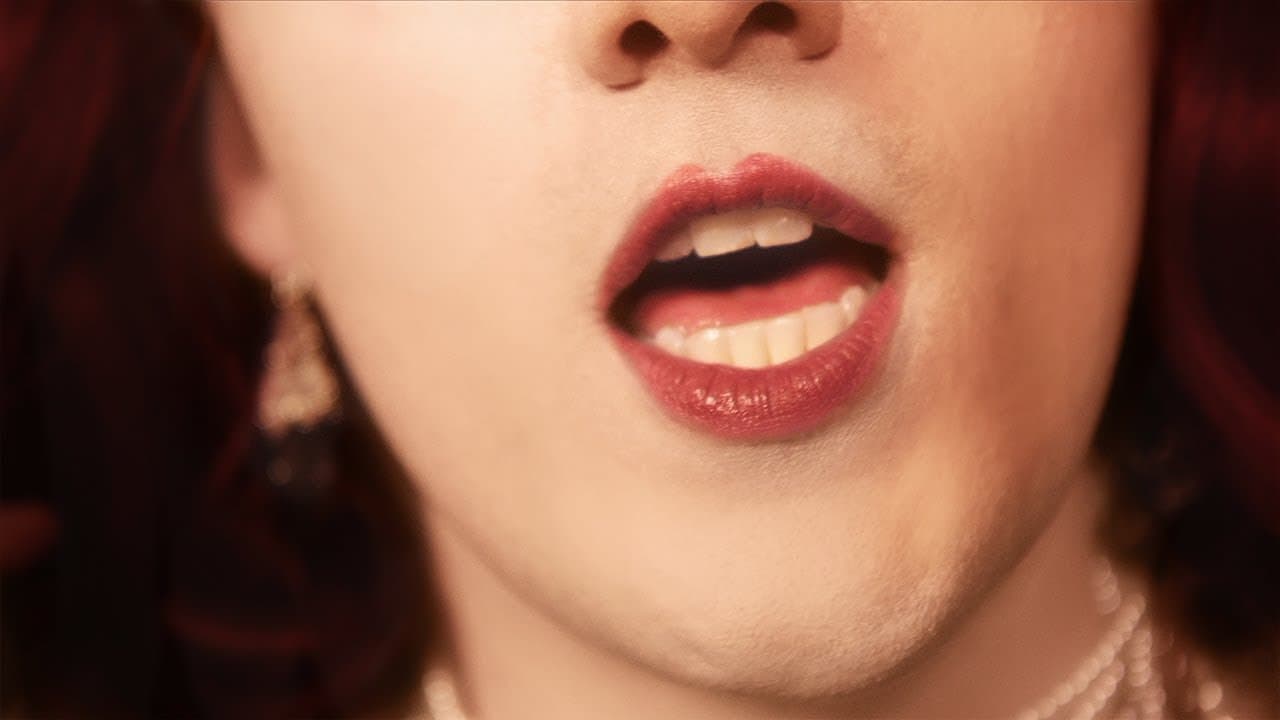
Queer theory is queer people writing theory about themselves and questioning assumptions that philosophy previously ignored. It emerged in the early 1990s as the meaning of queerness was changing, alongside activism such as the Lesbian Avengers’ theatrical political messaging. The discussion connects language, knowledge, gender, sexuality, politics, and even differing perspectives on time. Read on to see how activism and philosophy illuminate those connections.
Transcript
when i was a postgrad there was a certain topic that didn't come up a lot in class but it definitely came up at parties or at least that's what the people who went to parties told me it was so controversial that we weren't even sure if we were allowed to say the name queer theory my university wasn't the most progressive place in the world so there... Read More
Key Insights
- 🚨 Queer theory emerged in the early 90s as a response to changing perceptions of queerness and a desire to challenge traditional norms.
- 🖐️ The lesbian avengers played a significant role in redefining the meaning of "lesbian" and using humor and style to raise awareness of queer issues.
- 👾 Language games and the flexibility of words like "queer," "gay," and "lesbian" have shaped the understanding and acceptance of queer identities.
- 🤔 Queer theory encourages critical thinking about identity construction and challenges societal norms.
- 🪡 Queer identities and experiences vary greatly, highlighting the need for inclusivity and recognition of diverse narratives.
- 🐎 The intersection of queerness with other identities, such as race and disability, adds complexity to discussions of identity and representation.
- 😑 Reclaiming words and embracing fluidity in identity challenges societal expectations and promotes authentic self-expression.
Install to Summarize YouTube Videos and Get Transcripts
Explore YouTube Video Summarizer or Get YouTube Transcript Extractor
Questions & Answers
Q: What is queer theory?
Queer theory is described as queer people writing theory about themselves. It asks questions that philosophy had previously ignored and examines subjects including language, gender, sexuality, fashion, politics, film, and time.
Q: When and why did queer theory emerge?
Queer theory emerged in the early 1990s, when the meaning of queerness was changing. Many early queer theorists were also involved in street protests rather than working only in universities.
Q: Who were the Lesbian Avengers?
The Lesbian Avengers were an activist group that began in 1992 and specialized in theatrical, edgy, and funny political messaging. Their unapologetic style was designed to attract attention while rejecting standards of respectability that disadvantaged lesbians.
Q: What happened at the Lesbian Avengers march in Washington, D.C.?
On April 24, 1993, 20,000 lesbians marched through Washington, D.C., and ate fire in front of the White House. The march had no permit and was described as illegal, but the police could not stop it.
Q: How did the Lesbian Avengers challenge public discourse?
The group showed that supposedly open public discourse did not treat everyone equally. Because lesbians were stereotyped as shrill, emotional man-haters, the Avengers rejected expectations of serious, respectable behavior and adopted a deliberately bold approach.
Q: How does Michel Foucault’s idea relate to queer theory?
Michel Foucault realized in the 1970s that the people in charge affect which questions can be asked. Queer theorists applied that insight by raising questions and experiences that philosophy had previously overlooked.
Q: How can access to knowledge differ for queer people?
Some knowledge about queer life is forbidden or withheld; in some places, children are prevented from learning about gay and lesbian families. Queer children may therefore have to understand what being queer means through unofficial channels and different experiences.
Q: Why does queer theory examine time?
People do not all experience time through the same expected life pattern of childhood, adolescence, work, a house, marriage, and children. Queer people follow that pattern less often, and some trans people describe gender transition as becoming a teenager again.
Summary & Key Takeaways
-
Queer theory emerged in the early 90s as a response to changing perceptions of queerness and the need to challenge traditional norms.
-
The lesbian avengers, a group of activists, played a crucial role in redefining the meaning of "lesbian" and bringing attention to queer issues.
-
Language games and the flexibility of words like "queer," "gay," and "lesbian" have shaped the way these identities are understood and accepted.
Read in Other Languages (beta)
Share This Summary 📚
Summarize YouTube Videos and Get Video Transcripts with 1-Click
Try YouTube Summary with ChatGPT & Claude or YouTube Transcript Generator
Explore More Summaries from Philosophy Tube 📚
Summarize YouTube Videos and Get Video Transcripts with 1-Click
Try YouTube Summary with ChatGPT & Claude or YouTube Transcript Generator