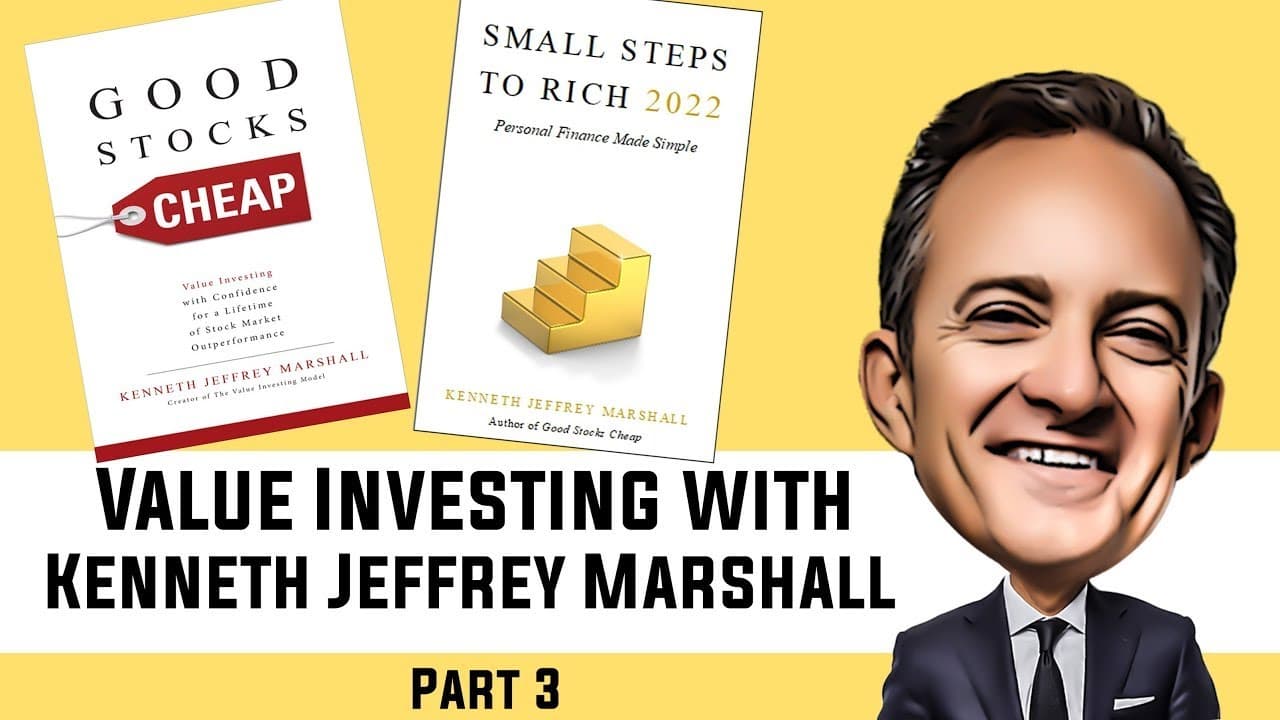
KENNETH JEFFREY MARSHALL INTERVIEW (Part 3/4) | Good Stocks Cheap | Value Investing
TL;DR
Waiting before an impulsive purchase can reduce unnecessary spending and support financial stability. Paul recommends waiting 48 hours, then buying only if the desire remains; one person who followed this advice later reported being out of debt with 25 grand in cash. Kenneth also explains how poor family financial behavior can become a useful contra example, so read on for practical lessons about spending, planning, and investing.
Transcript
whenever i go to a watch store a salesman's always trying to sell me and i always tell them nope i if i see a watch i like it if i find myself thinking about the watch a few weeks from now or months from now or two months from now i'll reassess it i'll still look yeah because yeah yes and it's funny several years ago probably 15 16 years ago i met ... Read More
Key Insights
- 🥺 Waiting before making impulsive purchases can lead to improved financial health and savings.
- ❎ Learning from both positive and negative financial examples in upbringing can shape one's approach to personal finance.
- ❓ Job satisfaction is crucial for overall happiness and financial success.
- 🥺 Actively exploring alternative career options can lead to finding a fulfilling job and improved financial well-being.
Install to Summarize YouTube Videos and Get Transcripts
Explore YouTube Video Summarizer or Get YouTube Transcript Extractor
Questions & Answers
Q: How can someone control impulsive buying?
Paul recommends waiting 48 hours before buying something spontaneously. If the person still wants it after that pause, they can reassess the purchase and decide whether to proceed.
Q: What happened when someone followed Paul's 48-hour spending rule?
Paul met someone who said spontaneous purchases were a major cause of their debt. When they met again two or three years later, the person said the debt was gone and they had 25 grand in cash.
Q: How does Paul approach buying an expensive watch?
When Paul sees a watch he likes, he does not buy it immediately. If he is still thinking about it weeks or months later, he reassesses whether he wants it.
Q: How can family financial mistakes become useful lessons?
Kenneth says poor financial conduct can be treated as a contra example. A person can isolate a specific behavior, understand its consequences, and decide not to repeat it without rejecting or diminishing the family member involved.
Q: What did Seth learn from growing up in a spending family?
Seth describes feeling drawn to the process of spending money and says that habit is difficult to escape. He also sees his parents' spending and debt as an opportunity to teach his children what not to do.
Q: Why does personal finance need a plan and process?
Seth says his former approach was simply to spend incoming money and react when credit-card use became a problem. The discussion argues for a deliberate plan covering spending, saving, and the amount needed for retirement.
Q: What investment lesson did Kenneth take from his father's experience?
Kenneth's father tried private-company and angel investing after selling the business he had built with Kenneth's mother. Kenneth viewed the disappointing outcome as a contra example and says listed equities, including index funds, worked much better.
Q: How can someone separate affection for a person from criticism of their financial behavior?
Kenneth says a person can ring-fence one area of a loved one's conduct and treat it as something not to imitate. He applied this approach to his father's capital allocation while maintaining his love and admiration for him.
Summary & Key Takeaways
-
Financial advisor Paul shares the importance of waiting before making impulsive purchases and how it can lead to financial freedom and savings.
-
The host and guest discuss the impact of upbringing on financial behaviors and the value of learning from both positive and negative examples.
-
Kenneth emphasizes the importance of finding job satisfaction and offers strategies for exploring alternative career options.
Read in Other Languages (beta)
Share This Summary 📚
Summarize YouTube Videos and Get Video Transcripts with 1-Click
Try YouTube Summary with ChatGPT & Claude or YouTube Transcript Generator