5 Animals That Have Bone Skin
TL;DR
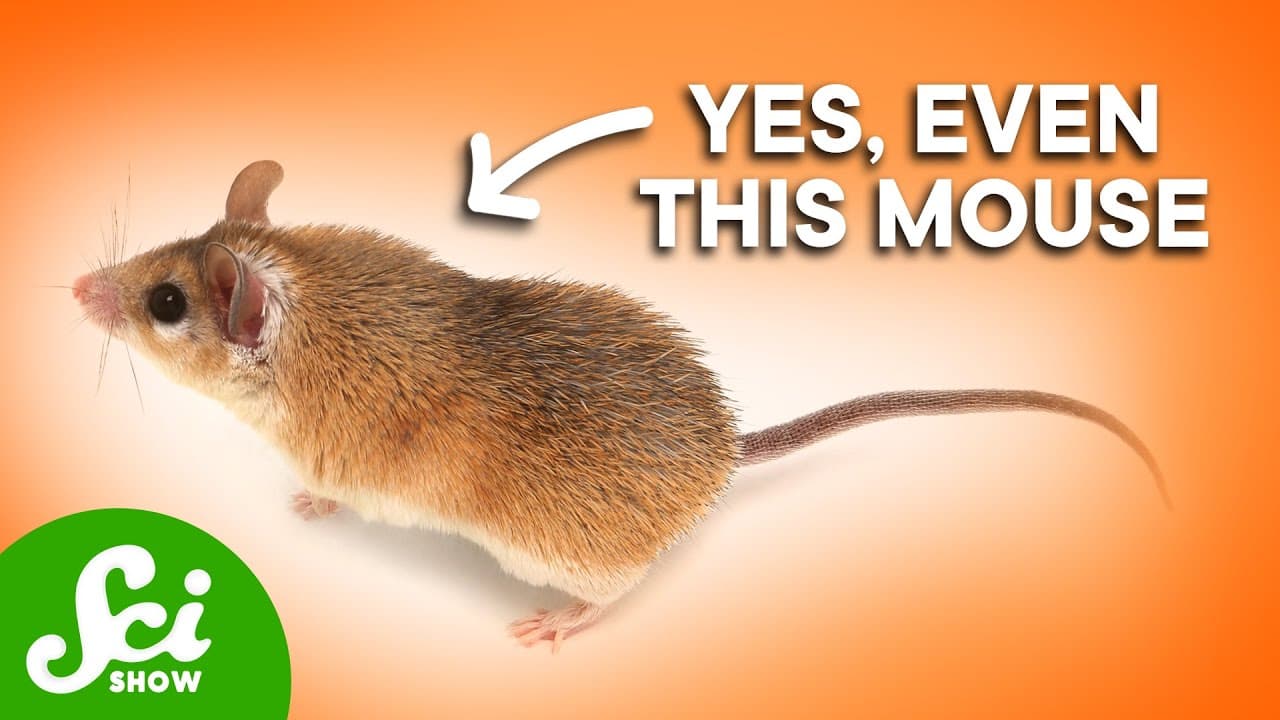
Spiny mice, sand boas, crocodilians, Stegosaurus, and Rapetosaurus krausei are examples of animals with skin bones called osteoderms. These structures can protect tissues, help an animal escape predators, stiffen a crocodilian’s back, buffer acidic blood, regulate temperature, or store minerals. Read on to see how the same kind of bony structure serves remarkably different purposes.
Transcript
We humans might be crunchy on the inside, but there are a bunch of other vertebrates out there rocking bones inside their skin, completely detached from the rest of their skeletons. These structures are called osteoderms, and if you look at a few examples, you might think their sole purpose is to turn their owner into a tank. That’s definitely... Read More
Key Insights
- 🐦 Osteoderms have evolved independently in different tetrapod lineages, including reptiles, mammals, birds, and dinosaurs.
- 🐭 Spiny mice use osteoderms for protection and self-amputation, while snakes like sand boas employ them for defense and deception.
- 🆘 Crocodiles' osteoderms help prevent acidosis and regulate body temperature.
- 🖐️ Stegosaurus' osteoderms may have played a role in thermoregulation, species recognition, mating displays, or intimidation.
- ❓ Osteoderms could be a result of convergent evolution or a shared ancestral trait among tetrapods.
Install to Summarize YouTube Videos and Get Transcripts
Explore YouTube Video Summarizer or Get YouTube Transcript Extractor
Questions & Answers
Q: Which five animals have bone skin, and what is it called?
The examples are spiny mice, sand boas, crocodilians, Stegosaurus, and Rapetosaurus krausei. Their skin bones are called osteoderms, which are detached from the rest of the skeleton.
Q: What are osteoderms?
Osteoderms are bones that grow inside an animal’s skin and remain completely detached from the rest of its skeleton. They have evolved separately many times among tetrapods, including reptiles, amphibians, and mammals.
Q: How do spiny mice use osteoderms for protection?
Tiny osteoderms shield the inner tissue and bone of a spiny mouse’s tail. If trapped or pinned, the mouse can shed its tail skin like a glove, while the bony layer helps stop teeth or claws from penetrating too deeply.
Q: Can spiny mice regrow their tails after escaping a predator?
Spiny mice cannot regrow their tails. However, they can regenerate skin, muscle, and even nerve cells, so the wound heals quickly after the remaining tail is removed.
Q: Why do sand boas have osteoderms in their tails?
Four sand boa species were found to have osteoderms in their tail tips. Their armored tails resemble heads, creating a false target that can draw attacks away from more important parts of the body.
Q: How can a sand boa’s armored tail help it raid rodent nests?
A sand boa can present its head-like armored tail to a returning rodent inside a narrow tunnel. While the rodent attacks the osteoderm-covered end, the snake gains time to escape from the nest.
Q: What functions do crocodilian osteoderms serve?
Crocodilian osteoderms protect internal organs and tissues while stiffening the back for easier movement on land. They can also release minerals into the bloodstream to buffer the acidosis caused by carbon dioxide buildup during extended periods underwater.
Q: What might dinosaur osteoderms have been used for?
Stegosaurus plates may have helped with thermoregulation, species recognition, mating displays, or intimidation, although their purpose is not definitively known. Rapetosaurus krausei may have used osteoderms for mineral storage.
Summary & Key Takeaways
-
Osteoderms, or skin bones, have evolved in various vertebrates, including tetrapods like reptiles, amphibians, mammals, and even dinosaurs.
-
Spiny mice, previously unknown to have osteoderms, use their bony tails for protection and to escape predators by shedding their skin.
-
Snakes, particularly sand boas, have osteoderms in their tails to protect against predators and to deceive prey.
-
Crocodiles have osteoderms that protect their internal organs and also help prevent acidosis by releasing minerals into the bloodstream.
-
Dinosaurs like Stegosaurus and Rapetosaurus krausei may have used osteoderms for thermoregulation, species recognition, and mineral storage.
Read in Other Languages (beta)
Share This Summary 📚
Summarize YouTube Videos and Get Video Transcripts with 1-Click
Try YouTube Summary with ChatGPT & Claude or YouTube Transcript Generator
Explore More Summaries from SciShow 📚
Summarize YouTube Videos and Get Video Transcripts with 1-Click
Try YouTube Summary with ChatGPT & Claude or YouTube Transcript Generator