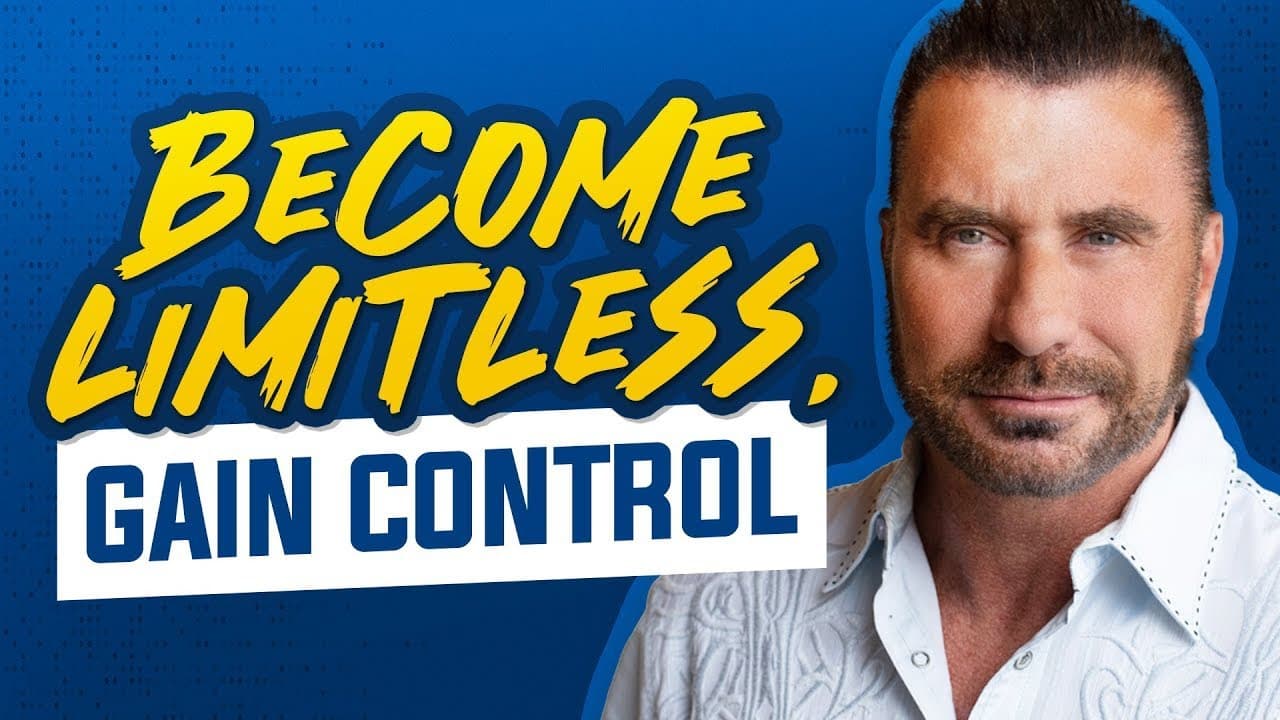
How to Master SELF-DISCIPLINE
TL;DR
Self-discipline is key to maximizing potential and achieving greatness.
Transcript
what I really look for when I'm evaluating talent and people I want on my team is their self-discipline levels because I know those people are going to max out their own capacity extremity expands capacity the process of self-discipline is like a muscle that you can grow I think the mistake many people make is they start with these huge things that... Read More
Key Insights
- Self-discipline is crucial for maximizing one's potential and achieving extraordinary results, both personally and professionally.
- Distractions such as social media, television, and worry can undermine self-discipline and should be managed effectively.
- Building self-discipline involves creating structures and habits that support focus and eliminate distractions.
- Scheduling important tasks and keeping promises to oneself are fundamental practices for developing self-discipline.
- Self-discipline is not innate but developed through consistent practice and small, manageable steps.
- Maintaining emotional control and staying calm under pressure are key aspects of self-discipline.
- Having a sense of purpose and understanding the historical significance of one's actions can drive self-discipline.
- The mindset of never being satisfied and continually striving for improvement is essential for sustained success.
Install to Summarize YouTube Videos and Get Transcripts
Explore YouTube Video Summarizer or Get YouTube Transcript Extractor
Questions & Answers
Q: What is the main focus of the video?
The main focus of the video is on mastering self-discipline as a key to achieving success and maximizing one's potential. It discusses the importance of building habits, managing distractions, and maintaining emotional control to become more disciplined.
Q: How can distractions affect self-discipline?
Distractions such as social media, television, and worry can significantly undermine self-discipline by diverting attention away from important tasks. Managing these distractions through scheduling and prioritizing activities is crucial for maintaining focus and building discipline.
Q: What role does scheduling play in self-discipline?
Scheduling plays a critical role in self-discipline by ensuring that important tasks are prioritized and completed. By setting specific times for activities, individuals can create a sense of structure and accountability, which helps in maintaining focus and achieving goals.
Q: Why is self-discipline considered a learned skill?
Self-discipline is considered a learned skill because it is not innate but developed through consistent practice. By starting with small, manageable tasks and gradually building up, individuals can strengthen their discipline over time, much like developing a muscle.
Q: How does emotional control relate to self-discipline?
Emotional control is closely related to self-discipline as it involves maintaining composure and focus under pressure. By staying calm and avoiding extreme emotional highs and lows, individuals can better adhere to their disciplined routines and make rational decisions.
Q: What is the significance of having a sense of purpose in self-discipline?
Having a sense of purpose is significant in self-discipline as it provides motivation and context for one's actions. Understanding the historical impact of one's efforts can drive individuals to maintain discipline, as they see their actions as contributing to a larger goal or legacy.
Q: What mindset is essential for sustained success according to the video?
The mindset of never being satisfied and continually striving for improvement is essential for sustained success. This involves always seeking to enhance one's skills, knowledge, and performance, even after achieving initial goals, to ensure ongoing growth and dominance.
Q: How can one start building self-discipline according to the video?
One can start building self-discipline by identifying and eliminating distractions, scheduling important tasks, and keeping small promises to oneself. By creating a structured routine and gradually taking on more challenging tasks, individuals can develop stronger self-discipline over time.
Summary & Key Takeaways
-
Self-discipline is a learned skill that requires consistent practice and the elimination of distractions. It is essential for achieving greatness and maximizing potential in any field.
-
By scheduling important tasks and keeping small promises to oneself, individuals can build self-discipline and create habits that lead to success.
-
Maintaining emotional control, understanding the significance of one's actions, and striving for continuous improvement are key components of self-discipline.
Read in Other Languages (beta)
Share This Summary 📚
Summarize YouTube Videos and Get Video Transcripts with 1-Click
Try YouTube Summary with ChatGPT & Claude or YouTube Transcript Generator
Explore More Summaries from Ed Mylett 📚




Summarize YouTube Videos and Get Video Transcripts with 1-Click
Try YouTube Summary with ChatGPT & Claude or YouTube Transcript Generator