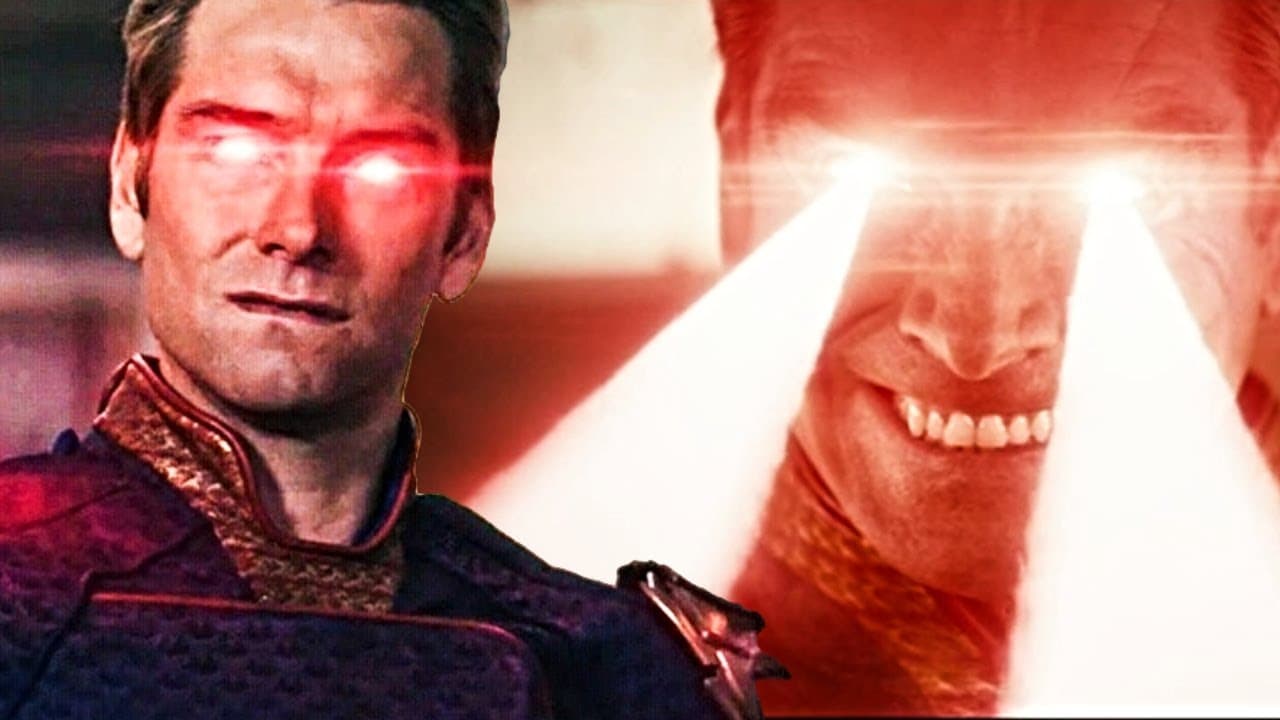
12 Insanely Terrifying Homelander Moments Reminds You He Is The Most Disturbing Villain On TV Ever!
TL;DR
Homelander showcases terrifying moments reflecting his chaotic, power-driven personality in The Boys.
Transcript
12 insanely terrifying homelander moments from the boys series explored hi everyone i'm terry and this is marvelous videos if you haven't been keeping up with amazon's the boys then you've either been living under a rock or are not into the nuance critiquing of superheroes and celebrity culture as a whole in general great again i think this is goin... Read More
Key Insights
- ✊ Homelander embodies the consequences of unchecked power, often sacrificing human lives for his self-image.
- 🧭 His traumatic childhood serves as a foundation for his twisted moral compass and sociopathic tendencies.
- ❓ The portrayal of his relationship with Stillwell emphasizes themes of manipulation and emotional dependency.
- 🖐️ Public perception plays a crucial role in shaping Homelander's decisions, driving him to horrific actions to maintain his hero narrative.
- 🦸 The series critiques superhero culture, highlighting how fame can corrupt individuals into morally bankrupt entities.
- ✊ Homelander’s significant acts of violence reflect a deeper exploration of psychological instability tied to power dynamics.
- 😥 Relationships in the series often serve as central points of manipulation and power exchange, highlighting the toxic nature of Homelander's interactions.
Install to Summarize YouTube Videos and Get Transcripts
Explore YouTube Video Summarizer or Get YouTube Transcript Extractor
Questions & Answers
Q: What is the significance of Homelander’s plane crash incident in the first episode?
The plane crash incident serves as a critical introduction to Homelander's character, showcasing his lack of empathy and moral compass. His decision to prioritize his image over saving the passengers reveals the show's central theme of corrupting power and how he manipulates situations for personal gain. This shocking act sets the tone for his character as a reliable, yet terrifying, portrayal of a superhero gone wrong.
Q: How does Homelander’s childhood influence his behavior?
Homelander, raised under abusive and isolating conditions, becomes a product of his environment. His creator, Dr. Vogelbaum, reveals that his upbringing deprived him of parental love and moral guidance. This lack of positive influence shapes him into a self-centered individual, demonstrating that his psychopathic tendencies stem from both his traumatic childhood and Vought's manipulative practices in creating a superhuman without instilling ethical considerations.
Q: What does Homelander’s relationship with Madeline Stillwell reveal about him?
The relationship between Homelander and Madeline Stillwell showcases his emotional vulnerabilities and need for maternal approval. His attachment to her, despite her manipulative nature, reveals his deep-seated desire for love and validation. Stillwell acts as both a mother and a manipulator, which complicates Homelander's perception of affection and trust, ultimately leading to tragic consequences when he kills her out of betrayal and rage.
Q: How does Homelander's perception of human life impact his actions?
Homelander perceives humans as inferior beings, treating them with ruthless disregard. This dehumanizing view affects his actions throughout the series, leading to numerous violent incidents where he prioritizes his ego and reputation over human lives. His decision to willingly kill innocents, such as the mayor's flight, exemplifies the destructive nature of his character, showcasing how his powers shield him from understanding the weight of his actions.
Q: In what ways does the show depict the consequences of power through Homelander?
The Boys uses Homelander's character to illustrate the corrupting influence of absolute power. His unchecked abilities lead him to commit morally reprehensible acts, causing widespread destruction and suffering. The narrative emphasizes that power without accountability can result in extreme narcissism and brutality, as seen in Homelander's relentless pursuit of self-preservation and superiority, often at the expense of the innocent.
Q: What role does public perception play in Homelander’s actions?
Homelander's actions are heavily influenced by how the public perceives him. His desperate need for adulation drives him to commit horrific acts to maintain a heroic facade. The crashing plane scene exemplifies this, where he uses tragedy to gain sympathy and reinforce his image as a superhero. This reliance on public perception ultimately underscores his fragile self-esteem, leading to increasingly erratic and violent behavior when facing scrutiny.
Summary & Key Takeaways
-
The Boys presents a unique take on superheroes, emphasizing the consequences of fame and power, particularly through the character of Homelander.
-
Homelander's actions throughout the series exemplify how absolute power can corrupt, showcasing his morally depraved and self-serving nature.
-
His most horrifying moments underscore his complete disregard for human life and the horrific impact of his unchecked power, setting a dark tone for the show's narrative.
Read in Other Languages (beta)
Share This Summary 📚
Summarize YouTube Videos and Get Video Transcripts with 1-Click
Try YouTube Summary with ChatGPT & Claude or YouTube Transcript Generator
Explore More Summaries from Marvelous Videos 📚





Summarize YouTube Videos and Get Video Transcripts with 1-Click
Try YouTube Summary with ChatGPT & Claude or YouTube Transcript Generator