Facts About Fracking
TL;DR
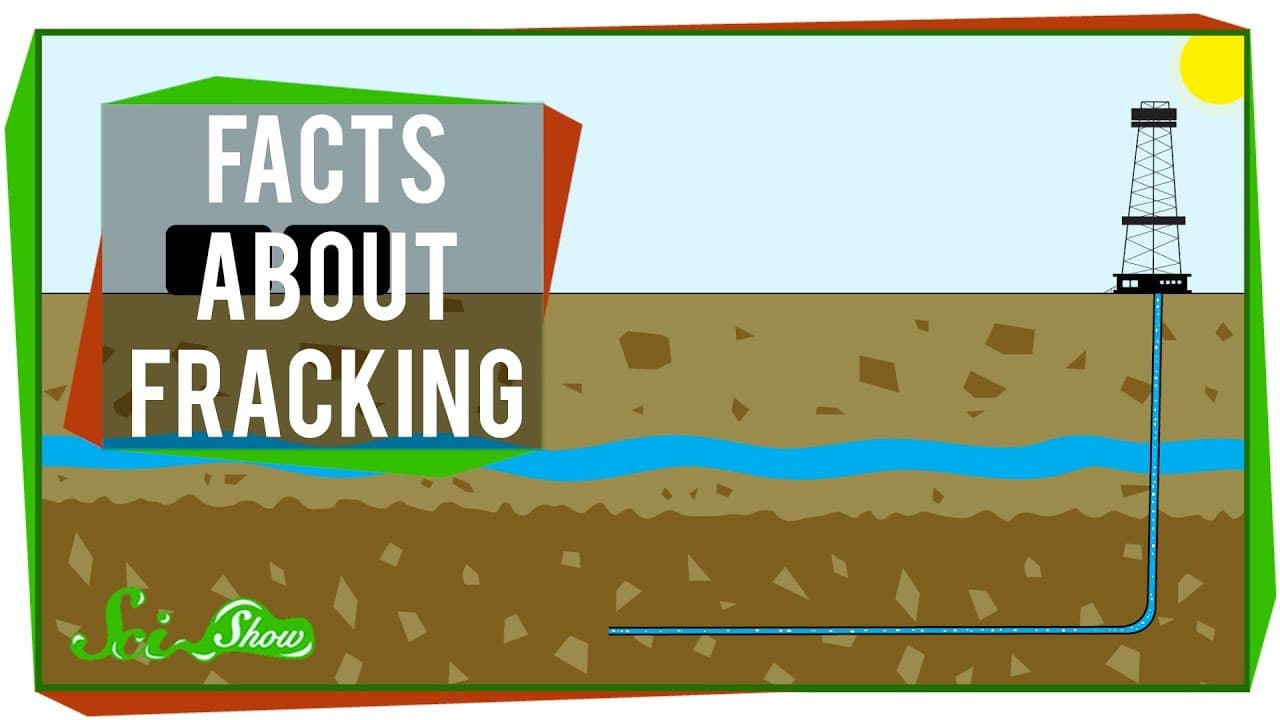
Fracking is a technology used to extract natural gas from shale formations, but it has numerous drawbacks, including water usage, chemicals used, groundwater contamination risks, methane emissions, and increased seismic activity.
Transcript
In case you haven't heard, we humans use a lot of oil and gas these days. Just a couple of sorts of hydrocarbons: organic compounds made out of hydrogen and carbon atoms They are a magnificent source of stored energy running a car engine or a fighter jet or a weedwhacker or a powerplant. Hydrocarbons are pretty useful. A lot of the worlds precious ... Read More
Key Insights
- 🫢 Fracking is a popular method to extract natural gas from shale formations and reduce dependence on foreign oil.
- 💦 However, fracking requires massive amounts of water, raising concerns about water scarcity and usage.
- 🧑⚕️ The chemicals used in fracking fluid, some of which are toxic, pose potential risks to the environment and human health.
- 💦 Contamination of drinking water aquifers is possible if fracking fluid mixes with groundwater.
- 🫢 Methane, a potent greenhouse gas, can be released during fracking and contribute to climate change.
- 🍻 The disposal of fracking wastewater into used wells has been linked to increased seismic activity and earthquakes.
- 😮 Some US states experiencing a fracking boom have reported a rise in seismic activity, indicating a potential connection.
Install to Summarize YouTube Videos and Get Transcripts
Explore YouTube Video Summarizer or Get YouTube Transcript Extractor
Questions & Answers
Q: How does fracking work, and why is it used?
Fracking involves injecting chemically treated water into shale formations to release trapped natural gas. It is used to access natural gas reserves and reduce dependence on foreign oil.
Q: What are the environmental concerns associated with fracking?
Fracking requires massive amounts of water, potentially contaminates groundwater with chemicals, increases methane emissions, and has been linked to seismic activity and earthquakes.
Q: Are there regulations in place to prevent groundwater contamination?
While regulations exist, there have been instances of groundwater contamination due to improperly installed or maintained fracking wells, leading to fines for energy companies.
Q: Is natural gas a cleaner fuel compared to coal?
Natural gas is considered cleaner than coal in terms of carbon emissions. However, methane emissions from fracking operations contribute to climate change if not properly managed.
Summary & Key Takeaways
-
Fracking is a method used to extract natural gas from shale formations by fracturing the rocks and releasing the trapped gas.
-
The process requires pumping chemically treated water, sand, and various additives into the ground at high pressures.
-
Concerns about fracking include immense water usage, chemical additives, potential groundwater contamination, methane emissions, and increased seismic activity.
Read in Other Languages (beta)
Share This Summary 📚
Summarize YouTube Videos and Get Video Transcripts with 1-Click
Try YouTube Summary with ChatGPT & Claude or YouTube Transcript Generator
Explore More Summaries from SciShow 📚


Summarize YouTube Videos and Get Video Transcripts with 1-Click
Try YouTube Summary with ChatGPT & Claude or YouTube Transcript Generator