How to Build Muscle for Healthier Aging
TL;DR
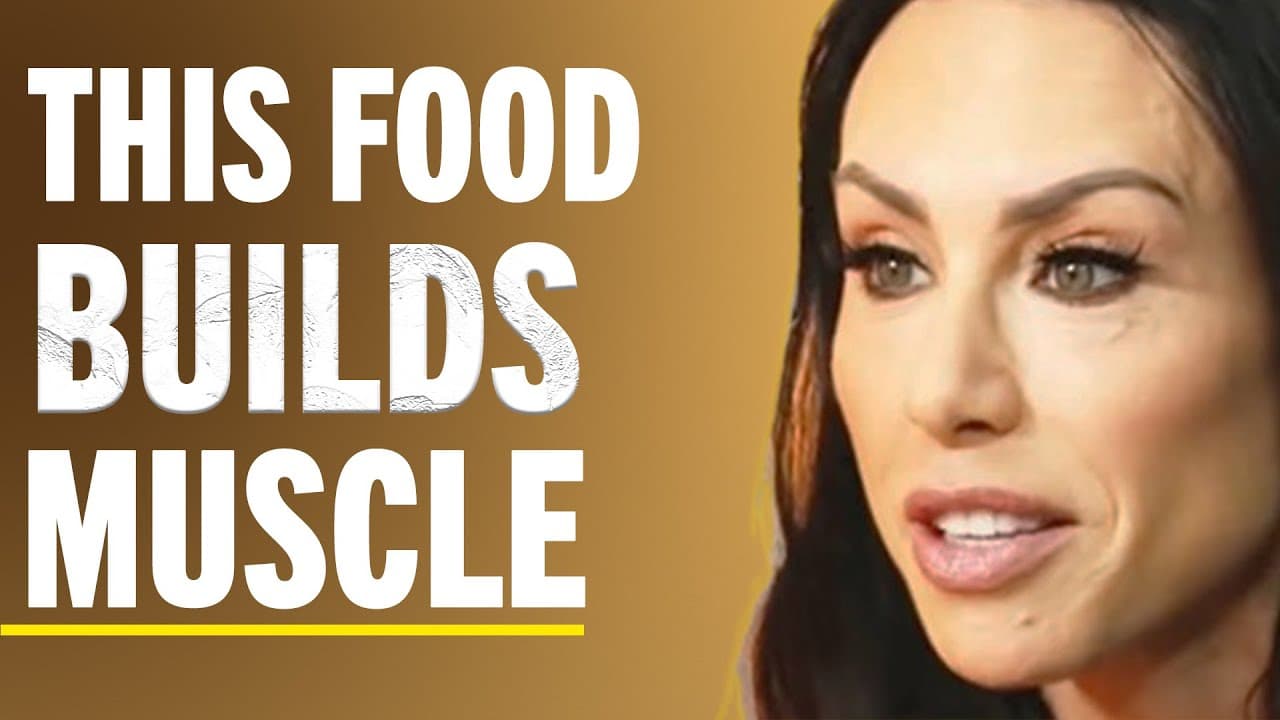
Prioritize building and maintaining skeletal muscle through regular physical activity, including lifting heavy things and bouts of high-intensity movement. Healthier muscle supports glucose disposal, metabolism, physical function, and survivability across many disease states. Because muscle becomes less responsive to dietary protein with age and inactivity, exercise and adequate meal-level protein become increasingly important.
Transcript
the reality is is we are not over fat we are under muscle healthier your muscle mass is the greater your survivability across nearly all disease states cancer cardiovascular disease dementia obesity if the people listening execute on the following advice that i'm going to give they will change the trajectory of the way in which they age have we as ... Read More
Key Insights
- Skeletal muscle is a central determinant of healthy aging because greater muscle health is associated with better survivability across cancer, cardiovascular disease, dementia, and obesity. The discussion argues that society has focused too heavily on reducing body fat while overlooking widespread deficiencies in muscle.
- Skeletal muscle is the voluntary tissue used to move the body, including the biceps and quadriceps. Unlike smooth muscle in the digestive tract, it can be deliberately trained through physical activity, particularly lifting heavy objects and performing bouts of high-intensity movement.
- Skeletal muscle is a primary site for glucose disposal and metabolic regulation. Insulin resistance can begin in muscle long before elevated insulin or other abnormalities become visible in the bloodstream, which means metabolic problems may start during a person’s 20s or 30s.
- Physical activity is essential because the human body was designed for regular movement, including demanding muscular effort. Modern life makes movement optional, even though skeletal muscle may represent 40 percent or more of a person’s tissue and functions as the body’s largest endocrine organ.
- Childhood activity is important because young bodies are highly anabolic and have strong potential for muscle growth. Childhood obesity can impair skeletal muscle and blunt its ability to respond to both hypertrophy-focused training and dietary protein, reducing important mechanisms that stimulate muscle tissue.
- Anabolic resistance is a decline in skeletal muscle’s efficiency at recognizing and using dietary protein. It can appear during a person’s 40s, although its timing varies with activity, illness, inflammation, and previous muscle care, and evidence about highly active individuals remains limited.
- Exercise is a more potent muscle-building stimulus than diet because it applies direct physiological pressure to the tissue. Dietary protein remains important, but eating patterns that worked in a person’s 20s may later provide too little protein per meal to stimulate muscle effectively.
- Inactive or poorly maintained muscle can develop fat infiltration resembling a marbled steak. This change can reduce glucose disposal, contractile capacity, tissue repair, and metabolic efficiency, while also making recovery from later periods of inactivity increasingly difficult.
Install to Summarize YouTube Videos and Get Transcripts
Explore YouTube Video Summarizer or Get YouTube Transcript Extractor
Questions & Answers
Q: Why is skeletal muscle important for healthy aging?
Skeletal muscle supports healthy aging by contributing to metabolism, glucose disposal, physical function, and resilience during disease. The discussion links healthier muscle mass with greater survivability across cancer, cardiovascular disease, dementia, and obesity. It therefore presents inadequate muscle, rather than excess fat alone, as a major overlooked health problem that deserves attention throughout life.
Q: How does skeletal muscle affect insulin resistance?
Skeletal muscle is a primary location where glucose is removed from the bloodstream, making it central to insulin sensitivity and metabolic health. When muscle becomes resistant to insulin, the body requires more insulin to move glucose from the blood. These changes may begin during a person’s 20s or 30s, potentially a decade before blood measurements reveal abnormalities.
Q: What is anabolic resistance in skeletal muscle?
Anabolic resistance is the reduced ability of skeletal muscle to recognize and use dietary protein as a signal for tissue stimulation. It may develop during a person’s 40s, although timing varies with activity, illness, inflammation, and prior muscle care. As resistance develops, meals that once supported muscle may no longer provide enough protein to trigger an adequate response.
Q: When does age-related muscle decline begin?
The timing of muscle decline varies rather than beginning at one universal age. Problems can emerge in a person’s 30s or 40s, depending on physical activity, chronic illness, inflammation, and previous care of skeletal muscle. Anabolic resistance can appear in the 40s, and recovery from inactivity becomes more difficult once muscle deterioration has begun.
Q: How should people train to support skeletal muscle?
People should remain physically active and include muscular challenges beyond ordinary walking. The discussion specifically emphasizes lifting heavy things and performing bouts of high-intensity movement because the human body was designed for demanding activity. Exercise places direct physiological pressure on muscle tissue and is described as a more potent stimulus than diet for overcoming impaired muscle responsiveness.
Q: Why might a normal breakfast fail to stimulate muscle with age?
A breakfast such as two eggs with toast or a small amount of yogurt may provide a sub-threshold amount of protein once anabolic resistance develops. Muscle can become less efficient at recognizing and using dietary protein with age. Consequently, eating the same way as in one’s 20s may fail to stimulate muscle tissue adequately during later decades.
Q: How do inactivity and inflammation affect muscle health?
Inactivity and low-level inflammation can impair skeletal muscle function and blunt its responsiveness. Poorly maintained muscle may develop fat infiltration that resembles marbled steak, reducing its ability to dispose of glucose, contract effectively, repair itself, and maintain metabolic efficiency. Periods of inactivity also become harder to recover from as muscle deterioration and anabolic resistance progress.
Q: Why is physical activity important for children’s muscle development?
Children are naturally highly anabolic and have substantial potential to develop muscle through regular activity. They should be physically active from a young age to support that potential. Childhood obesity is especially concerning because it can impair skeletal muscle and blunt the tissue’s ability to respond to training and dietary protein, weakening mechanisms involved in muscle growth.
Summary & Key Takeaways
-
Skeletal muscle should be treated as a central part of long-term health, not merely as a tool for appearance or weight management. It is the body’s largest endocrine organ, a primary site for glucose disposal, and an important factor in metabolism, physical capacity, disease resilience, and healthy aging.
-
Muscle health begins early and depends strongly on physical activity. Children are naturally primed for growth, while inactivity, obesity, chronic illness, and low-level inflammation can impair muscle function and its response to exercise or dietary protein. Problems may develop years before abnormal insulin or glucose levels appear in blood tests.
-
Aging can bring anabolic resistance, meaning skeletal muscle becomes less efficient at recognizing and using dietary protein. Meals that once provided enough protein may eventually fall below the threshold needed to stimulate muscle tissue. Regular exercise is the more potent stimulus, while sufficient dietary protein helps support muscle maintenance and repair.
Read in Other Languages (beta)
Share This Summary 📚
Summarize YouTube Videos and Get Video Transcripts with 1-Click
Try YouTube Summary with ChatGPT & Claude or YouTube Transcript Generator
Explore More Summaries from Dr Rangan Chatterjee 📚



Summarize YouTube Videos and Get Video Transcripts with 1-Click
Try YouTube Summary with ChatGPT & Claude or YouTube Transcript Generator