How Do Orcas Use Unique Hunting Techniques to Thrive?
TL;DR
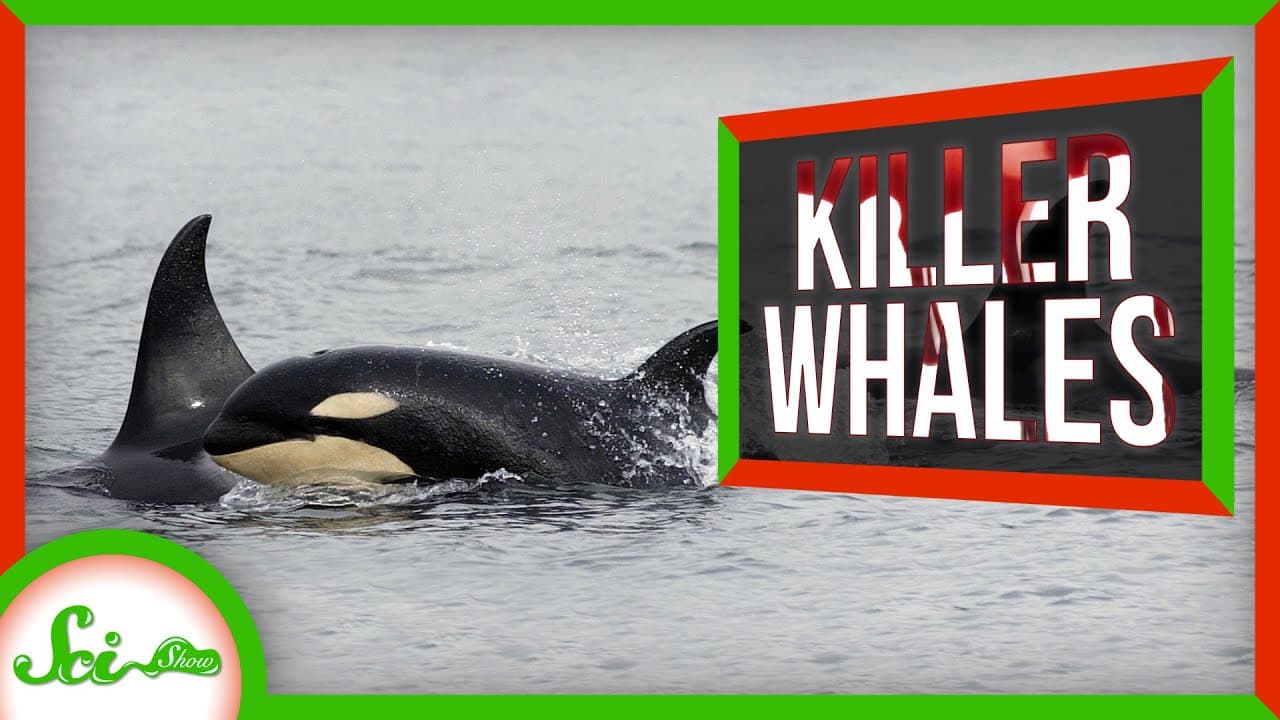
Orcas employ various sophisticated hunting strategies, including knocking seals off ice floes with waves, intentionally beaching themselves to catch prey, and suffocating larger whales by blocking their blowholes. Additionally, some orcas create whirlpools to trap fish, showcasing their remarkable cognitive abilities and adaptability in diverse environments.
Transcript
orcas are some of the most effective predators in the ocean and while there are a lot of ways to talk about animal intelligence it seems clear that orcas are really good at figuring out ways to find their next meal they have an unusually large brain to body size ratio right up there with humans and it shows in their cognitive abilities as they are ... Read More
Key Insights
- ❓ Orcas exhibit remarkable cognitive abilities and have developed diverse hunting techniques.
- ❓ Different populations or ecotypes of orcas have distinct prey preferences and strategies.
- 🥶 Orcas in Antarctica have mastered the technique of knocking seals off ice flows using waves.
- 🇮🇴 Orcas intentionally beach themselves to catch seals, particularly in South America and the Indian Ocean.
- 🙃 Orcas suffocate larger whales by blocking their blowholes and attacking their sides.
- 😧 Certain orcas create whirlpools to stun fish before capturing them.
- 🦈 Some orca populations have specialized skills in hunting and consuming sharks.
Install to Summarize YouTube Videos and Get Transcripts
Explore YouTube Video Summarizer or Get YouTube Transcript Extractor
Questions & Answers
Q: How do orcas in Antarctica catch seals off ice flows?
Orcas in Antarctica (type b1) swim in a straight line towards an ice floe with a seal perched on top. They dive underneath the floe, creating a wave that washes the seal off the side, allowing the rest of the group to catch it.
Q: Why do orcas intentionally beach themselves?
Orcas beach themselves to catch prey, particularly seals. They swim quickly towards the shore, depositing themselves on the beach just beyond the surf line. Another orca may give them a boost onto the beach. After capturing the seal, they wiggle their bodies back into the water to return to the pod.
Q: How do orcas suffocate larger whales?
Orcas work together to submerge larger whales, blocking their blowholes to prevent them from breathing. While some orcas block the blowhole, others ram into the whale's sides and bite its tail and flippers to injure it. They continue until the whale suffocates or drowns.
Q: How do orcas create whirlpools to stun fish?
Type 1 orcas in the North Atlantic use a technique called carousel feeding. They surround a school of fish, use vocalizations, bubble blowing, and flashing their bellies to herd the fish into a tight ball. Then, they swim around in circles, slapping the water with their tails to stun the fish.
Summary & Key Takeaways
-
Orcas, also known as killer whales, possess exceptional hunting skills and cognitive abilities.
-
Different populations or ecotypes of orcas have distinct prey preferences and hunting techniques.
-
Orcas in Antarctica (type b1) have developed a technique to knock seals off ice flows using waves, while orcas in South America and the Indian Ocean intentionally beach themselves to catch seals.
-
Orcas suffocate larger whales by blocking their blowholes and attacking their sides, and they create whirlpools to stun fish. Some populations have specialized skills in hunting sharks.
Read in Other Languages (beta)
Share This Summary 📚
Summarize YouTube Videos and Get Video Transcripts with 1-Click
Try YouTube Summary with ChatGPT & Claude or YouTube Transcript Generator
Explore More Summaries from SciShow 📚
Summarize YouTube Videos and Get Video Transcripts with 1-Click
Try YouTube Summary with ChatGPT & Claude or YouTube Transcript Generator