Animals Have Nepo Babies Too
TL;DR
In the animal kingdom, many species exhibit privileged inheritance where offspring benefit from their parents' resources and social rank.
Transcript
Thanks to Brilliant for supporting this SciShow List Show! Because you watch SciShow, Brilliant is offering you a 30-day free trial and 20% off an annual premium subscription at Brilliant.org/SciShow. In a time when that whole ‘being alive’ thing costs more than ever and jobs are tough to come by, it can really sting to see someone get handed ... Read More
Key Insights
- 😜 Privileged inheritance, where offspring benefit from their parents' resources and social rank, is prevalent in the animal kingdom.
- 👶 Nepo babies can be found across various animal classes, including bugs, fish, reptiles, birds, and mammals.
- 😜 Different species exhibit unique mechanisms of privileged inheritance, such as delayed dispersal, territorial budding, assistance and inheritance, midden donation, and rank inheritance.
- ♿ Privileged inheritance ensures offspring have access to necessary resources, territory, and social support, increasing their chances of survival and reproductive success.
- 🧭 Parental investment in privileged inheritance is driven by the desire to maximize their evolutionary success and pass on their genes to future generations.
- ❓ However, not all offspring benefit from privileged inheritance, and competition among siblings or unrelated individuals can influence the distribution of resources.
- 😨 Privileged inheritance in the animal kingdom demonstrates the complex dynamics of parental care and the importance of inherited advantages in reproductive success.
Install to Summarize YouTube Videos and Get Transcripts
Explore YouTube Video Summarizer or Get YouTube Transcript Extractor
Questions & Answers
Q: Do animals exhibit privileged inheritance similar to trust funds in humans?
Yes, many animal species exhibit privileged inheritance, where offspring receive advantages such as resources, territory, and social rank from their parents.
Q: How do skinks demonstrate privileged inheritance?
Skinks exhibit delayed dispersal, where offspring stay in their parents' territory, benefiting from the preexisting resources and protection. This results in better body condition and competitive advantages.
Q: What is territorial budding in warblers?
Territorial budding refers to the behavior of warbler chicks carving out a territory within their parents' and neighbors' territory. This allows them to inherit high-quality territory, leading to reproductive success.
Q: What is the significance of midden donation in squirrels?
Around 20% of experienced female squirrels donate a second midden to their offspring. This increases their chances of securing their own territory, ensuring survival during winter and improving reproductive success.
Summary & Key Takeaways
-
In the animal kingdom, wealth can be defined as any inherited resource that provides an advantage to offspring, such as homes, food, territory, and other necessities.
-
Various species, including bugs, fish, reptiles, birds, and mammals, exhibit privileged inheritance, where offspring receive advantages from their parents.
-
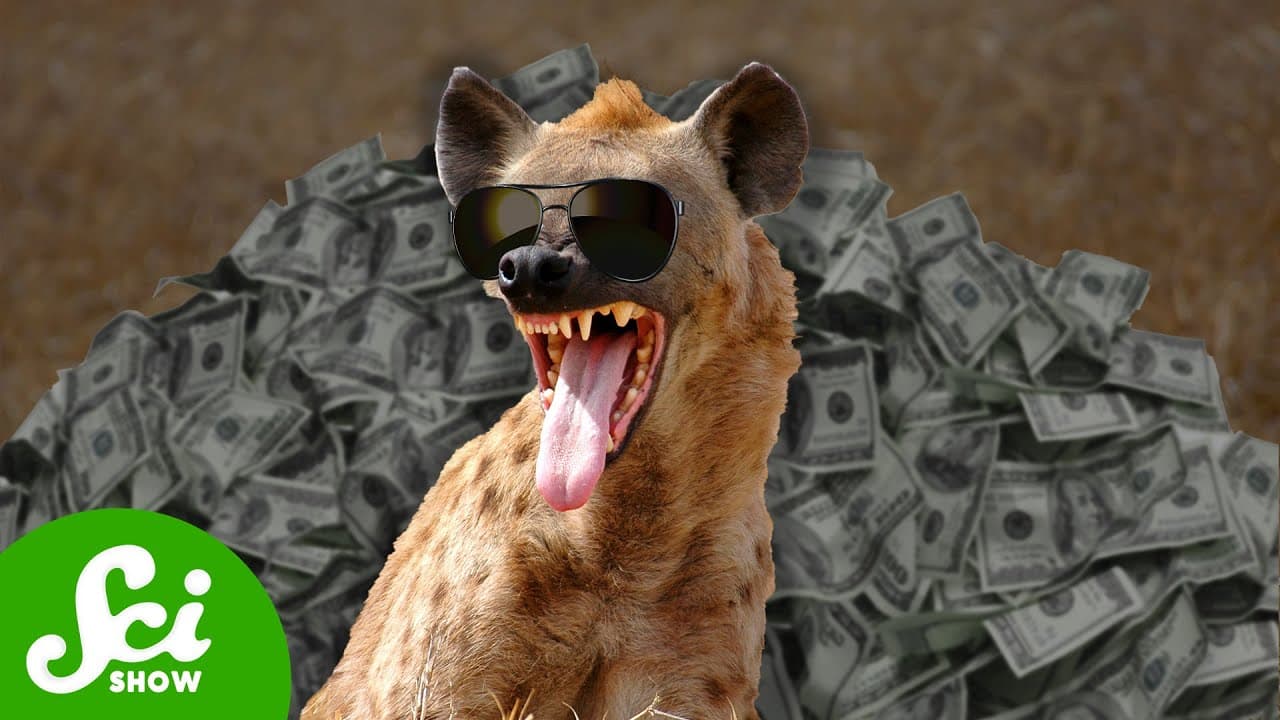
Examples of privileged inheritance include delayed dispersal and territory inheritance in skinks, territorial budding in warblers, assistance and inheritance in black hover wasps, midden donation in squirrels, and social rank inheritance in spotted hyenas.
Read in Other Languages (beta)
Share This Summary 📚
Summarize YouTube Videos and Get Video Transcripts with 1-Click
Try YouTube Summary with ChatGPT & Claude or YouTube Transcript Generator
Explore More Summaries from SciShow 📚
Summarize YouTube Videos and Get Video Transcripts with 1-Click
Try YouTube Summary with ChatGPT & Claude or YouTube Transcript Generator