Why Did the Jasper Park Wildfire Happen?
TL;DR
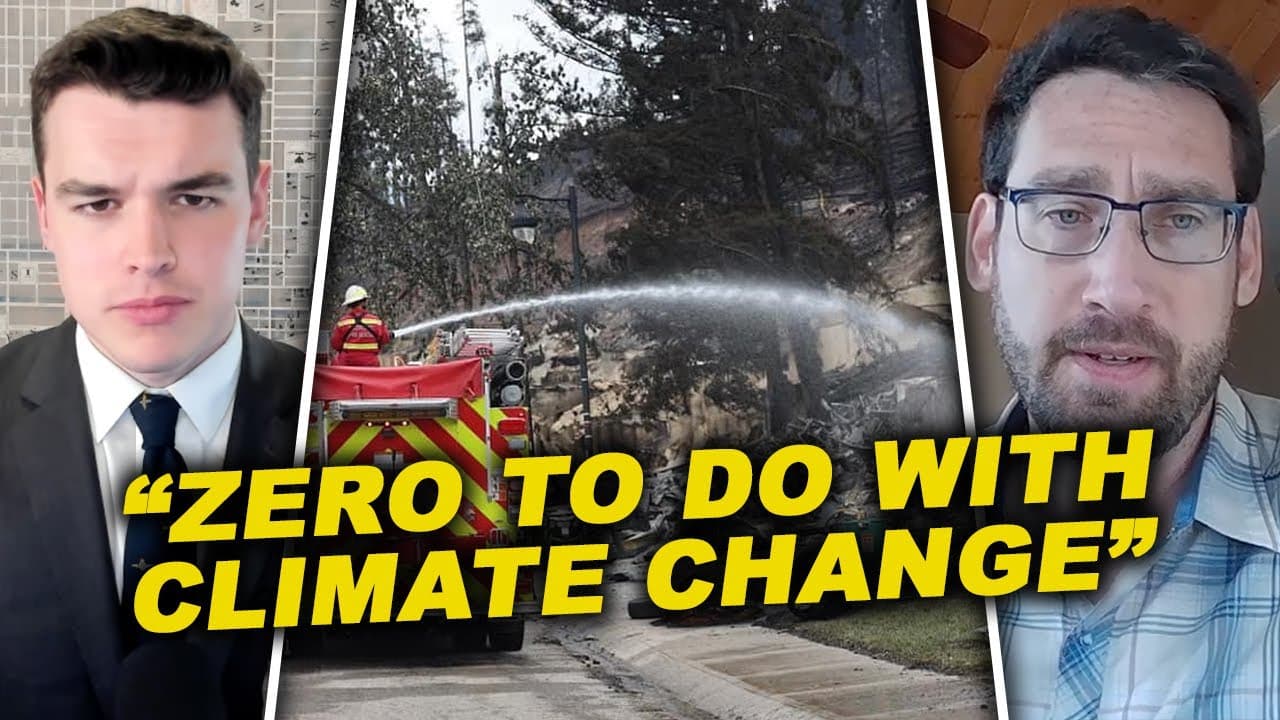
The Jasper Park wildfire was largely preventable due to decades of inadequate forest management, including a buildup of dry trees and branches. Former planner Peter Schultz asserts that poor leadership from Parks Canada ignored warnings about fire risks, resulting in catastrophic consequences. He emphasizes that proper forest management practices, such as controlled burns and logging, are essential to prevent future wildfires.
Transcript
last week a devastating Wildfire struck Jasper National Park in Alberta one of the most beautiful places in the world the fire consumed 358 square kilm of pristine forest and over 358 structures in the town of Jasper were destroyed but thanks to the heroic efforts of firefighters along with the military last week major historical buildings were sav... Read More
Key Insights
- 💱 The devastating wildfire in Jasper National Park has reignited discussions about climate change and forest management practices.
- ❤️🔥 Peter Schultz, a former planner, argues that the fire was a result of inadequate management strategies that essentially neglected forest health.
- 🛀 Historical evidence shows that natural wildfires facilitated ecosystem balance, but this knowledge has been undermined by modern conservation ideologies.
- ⚡ Frequent pest infestations, like that of the spruce bark beetle, exacerbate the risks associated with aging forests, leading to higher fire susceptibility.
- 🏞️ Many national park policies discourage necessary preventive measures like logging and controlled burns, based on misconceived environmentalism.
- ❓ Schultz stresses that proactive forest management can benefit both the ecosystem and local economies through sustainable practices.
- ❤️🔥 The fire in Jasper should serve as a critical warning for other at-risk regions prone to similar wildfires due to forest mismanagement.
Install to Summarize YouTube Videos and Get Transcripts
Explore YouTube Video Summarizer or Get YouTube Transcript Extractor
Questions & Answers
Q: What caused the recent wildfire in Jasper National Park?
The wildfire was largely attributed to inadequate forest management practices, which created a buildup of dried, dead trees and branches over time. Former senior planner Peter Schultz pointed out that the forest had become extremely combustible due to a lack of controlled burns and necessary logging efforts, compounded by high winds and dry weather at the time of the fire.
Q: How did Parks Canada respond to concerns about forest management?
According to Schultz, Parks Canada management was unresponsive to firefighters' repeated warnings about the dangers of accumulated forest fuel. There was a perception that cutting trees was inherently wrong, which led to administrative inaction even when professional advice indicated that active management was crucial for preventing disasters.
Q: What role did climate change play in the Jasper wildfire?
Schultz argues that while climate change generates discussions about increased wildfires, the immediate causes in Jasper were due to long-term forest mismanagement rather than changing climate patterns. He cited that hot weather has always existed, and the aging forest conditions—exacerbated by pest infestations—were more critical in this instance.
Q: Is there a chance for better forest management policies following this incident?
Schultz remains skeptical that this wildfire will spur significant changes in policy. Despite previous wildfires serving as warnings, he believes there is entrenched bureaucracy and ideology that resist necessary actions for forest management. He emphasizes that more effective management needs leadership willing to advocate for appropriate practices.
Q: How can effective forest management prevent future wildfires?
Schultz advocates for practices such as controlled burns and selective logging to reduce fuel buildup. He believes that properly managed forests can enhance wildlife populations and decrease fire risks while supporting the forestry industry, presenting a sustainable model that counters the current destructive cycle.
Q: How do historical management practices differ from current policies?
Historically, Indigenous peoples and early managers implemented practices like prescribed burns, maintaining a diverse and healthy ecosystem. Current policies have shifted towards a non-interventionist approach, which Schultz argues has led to the accumulation of hazardous forest conditions, making wildfires more likely.
Summary & Key Takeaways
-
A recent wildfire in Jasper National Park destroyed vast areas of forest and local structures, including historic buildings, prompting debates over climate change and forest management.
-
Former park planner Peter Schultz criticized Parks Canada for ignoring warnings on forest fire risks linked to poor management and an ideology against active forest management practices.
-
Schultz suggests that the ongoing issue reflects a broader national failure to implement necessary forest management policies, highlighting a lack of responsiveness to scientific advice and historical wildfire patterns.
Read in Other Languages (beta)
Share This Summary 📚
Summarize YouTube Videos and Get Video Transcripts with 1-Click
Try YouTube Summary with ChatGPT & Claude or YouTube Transcript Generator
Explore More Summaries from True North 📚






Summarize YouTube Videos and Get Video Transcripts with 1-Click
Try YouTube Summary with ChatGPT & Claude or YouTube Transcript Generator