How Does Sunlight Shape the Body and Mind?
TL;DR
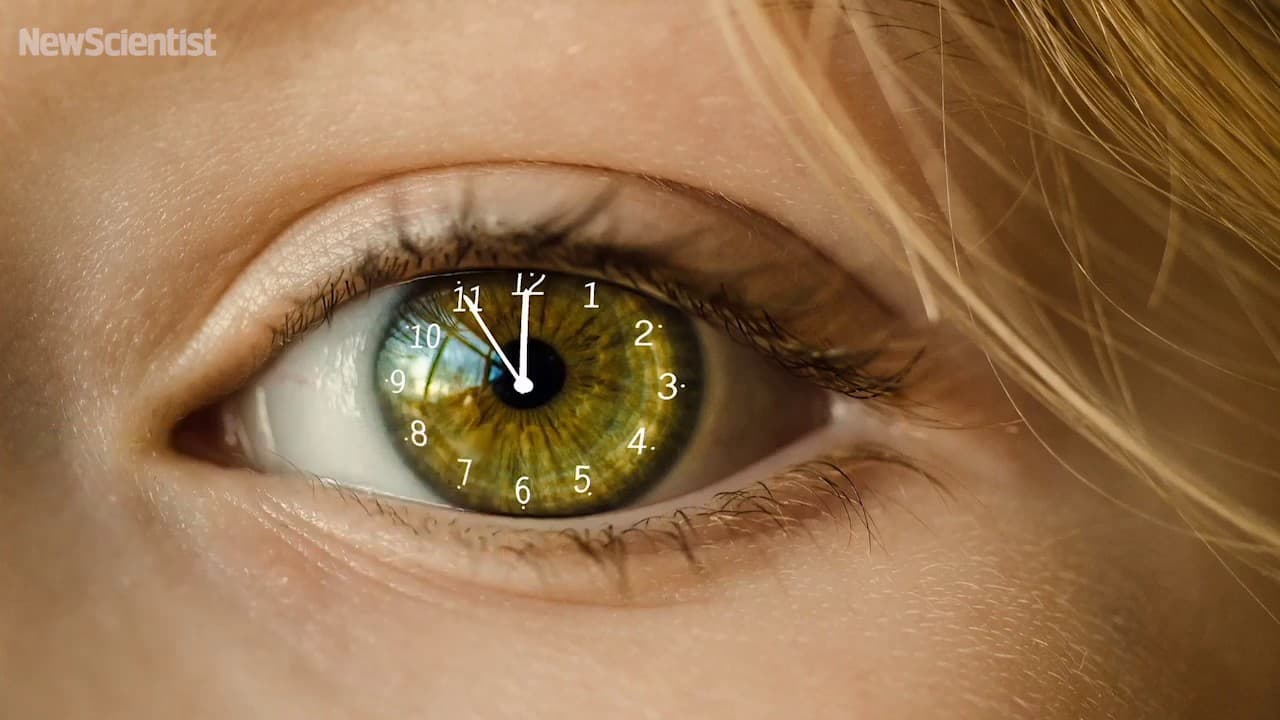
Human biology is adapted to work with the Sun and the daily cycle of light and darkness, while modern indoor lifestyles can disrupt that relationship. Moderate sunlight can support vitamin D production, immune activity, and lower blood pressure, but excessive ultraviolet exposure can damage DNA, suppress immune defenses, and contribute to skin cancer.
Transcript
hi everyone if you ever need a reminder of the awesome power of the Sun the Mojave Desert in the southwest u.s. desert state of Nevada is a great place to start in the summer the daytime temperature frequently hits 49 degrees centigrade and stepping outside is literally like walking into a giant furnace the local flora and fauna arm themselves agai... Read More
Key Insights
- Sunlight is the foundation of most life described in the talk because plants use it for photosynthesis, animals depend directly or indirectly on plants for food, and the oxygen people breathe is also produced through sunlight-driven photosynthesis.
- Human biology is configured to operate alongside the Sun and the 24-hour cycle of light and darkness, but modern environments such as windowless rooms, underground passages, casinos, and artificially illuminated spaces can separate people from natural light.
- Sunlight has direct antimicrobial effects, as demonstrated by its historical use against tuberculosis of the skin. The transcript also notes that some hospitals are beginning to use ultraviolet light as a method for killing antibiotic-resistant microorganisms known as superbugs.
- Vitamin D is necessary for healthy bones and teeth, and immune cells also use it. In the lungs, vitamin D helps immune cells produce an antimicrobial peptide, providing a mechanism through which sunlight could assist the body's response to tuberculosis.
- Excessive ultraviolet exposure is dangerous because it creates mutations in DNA that can develop into cancer if left unchecked. Sunlight can also suppress immune activity, potentially weakening the system that normally identifies and destroys abnormal cells.
- Moderate ultraviolet exposure may help regulate excessive immune responses because skin cells contain ultraviolet receptors and communicate with the immune system. Activation of these receptors can promote regulatory cells that dampen overactive autoimmune reactions.
- Multiple sclerosis shows associations with sunlight exposure and latitude in the transcript. It is more prevalent farther from the equator, and lower sunlight exposure during youth, adolescence, or development in the womb is associated with increased risk.
- Sunlight can lower blood pressure by triggering stores of nitric oxide in the skin. Nitric oxide widens and relaxes blood vessels, and exposure equivalent to 20 minutes of British summer sunlight produced a clinically significant reduction lasting about an hour indoors.
Install to Summarize YouTube Videos and Get Transcripts
Explore YouTube Video Summarizer or Get YouTube Transcript Extractor
Questions & Answers
Q: How does sunlight support life on Earth?
Sunlight supports life by giving plants the energy required for photosynthesis. This process creates food that sustains plants and, indirectly, the animals that eat plants or consume other animals. Photosynthesis also produces the oxygen people breathe. The talk therefore presents the Sun as both an environmental force and a fundamental creator of the conditions needed for life.
Q: Why can sunlight be both beneficial and harmful?
Sunlight is beneficial because it supports photosynthesis, vitamin D production, antimicrobial immune activity, blood pressure regulation, and potentially the control of excessive immune responses. It is harmful when exposure becomes excessive because ultraviolet light can mutate DNA and suppress immune defenses. Those effects can contribute to melanoma and interfere with the immune system's ability to eliminate abnormal cells.
Q: How does vitamin D help the body respond to tuberculosis?
Vitamin D is used not only to maintain healthy bones and teeth but also by immune cells. According to the transcript, immune cells in the lungs use vitamin D to begin producing an antimicrobial peptide. This mechanism helps explain how sunlight exposure could assist the body's response to tuberculosis of the lungs even though sunlight itself does not penetrate deeply into the lungs or bones.
Q: What is the relationship between sunlight and multiple sclerosis?
Multiple sclerosis is described as more prevalent at greater distances from the equator and among people exposed to relatively little sunlight during youth, adolescence, or development in the womb. Reported cases in Iran rose eightfold between 1989 and 2006 after clothing practices changed. However, the transcript emphasizes that genetic and environmental factors also contribute, so sunlight is not presented as the sole cause.
Q: Does taking vitamin D prevent multiple sclerosis?
The transcript says vitamin D was long considered a possible explanation for the relationship between low sunlight exposure and multiple sclerosis. Trials examined whether supplements given to pregnant women or people in the early stages of the disease could prevent its development or slow its progression. The results available at the time of the talk were described as disappointing, prompting researchers to investigate other sunlight-related mechanisms.
Q: How might ultraviolet light regulate autoimmune reactions?
Skin cells called keratinocytes contain ultraviolet receptors and actively communicate with the immune system. When sunlight activates these receptors, the skin cells can trigger the development of regulatory cells that dampen excessive autoimmune reactions. This proposed mechanism suggests that moderate ultraviolet exposure may help keep immune activity balanced, although the transcript does not present sunlight as the only factor affecting autoimmune disease.
Q: How does sunlight lower blood pressure?
Sunlight triggers the release of nitric oxide stored in the skin. Nitric oxide acts as a vasodilator, meaning it widens and relaxes blood vessels, which causes blood pressure to fall. Research described in the transcript found that exposure equivalent to 20 minutes of British summer sunlight produced a clinically significant reduction that continued for about an hour after the person went indoors.
Q: How have medical practitioners historically used sunlight?
Ancient Babylonian and Egyptian practitioners applied mashed plants and herbs to the skin before exposing it to sunlight, using the combination to treat skin conditions. Greek and Roman physicians also promoted sunbathing, although Hippocrates recognized the need for moderation and described melanoma. Florence Nightingale later emphasized sunlight for patients, and Niels Finsen used light to treat tuberculosis of the skin.
Summary & Key Takeaways
-
Sunlight is both essential and dangerous. It powers photosynthesis, supports the food chains on which animals depend, and produces the oxygen people breathe. Desert organisms avoid extreme daytime heat through physical adaptations or nocturnal behavior, while humans can suffer dehydration and overheating when exposed to intense desert conditions.
-
Human societies have long treated sunlight as a healer. Ancient Babylonian, Egyptian, Greek, and Roman practices used sunlight for skin conditions, pain, and other illnesses. Florence Nightingale emphasized patients' need for sunlight, while Niels Finsen later received a Nobel Prize for using light to treat tuberculosis of the skin.
-
Modern research presents sunlight as a biological regulator with benefits and risks. Vitamin D supports bones, teeth, and antimicrobial immune responses. Ultraviolet exposure can damage DNA and suppress immunity, yet controlled exposure may also regulate autoimmune reactions. Sunlight additionally releases nitric oxide from skin, widening blood vessels and temporarily lowering blood pressure.
Read in Other Languages (beta)
Share This Summary 📚
Summarize YouTube Videos and Get Video Transcripts with 1-Click
Try YouTube Summary with ChatGPT & Claude or YouTube Transcript Generator
Explore More Summaries from New Scientist 📚


Summarize YouTube Videos and Get Video Transcripts with 1-Click
Try YouTube Summary with ChatGPT & Claude or YouTube Transcript Generator