What Caused the Great Smog of London in 1952?
TL;DR
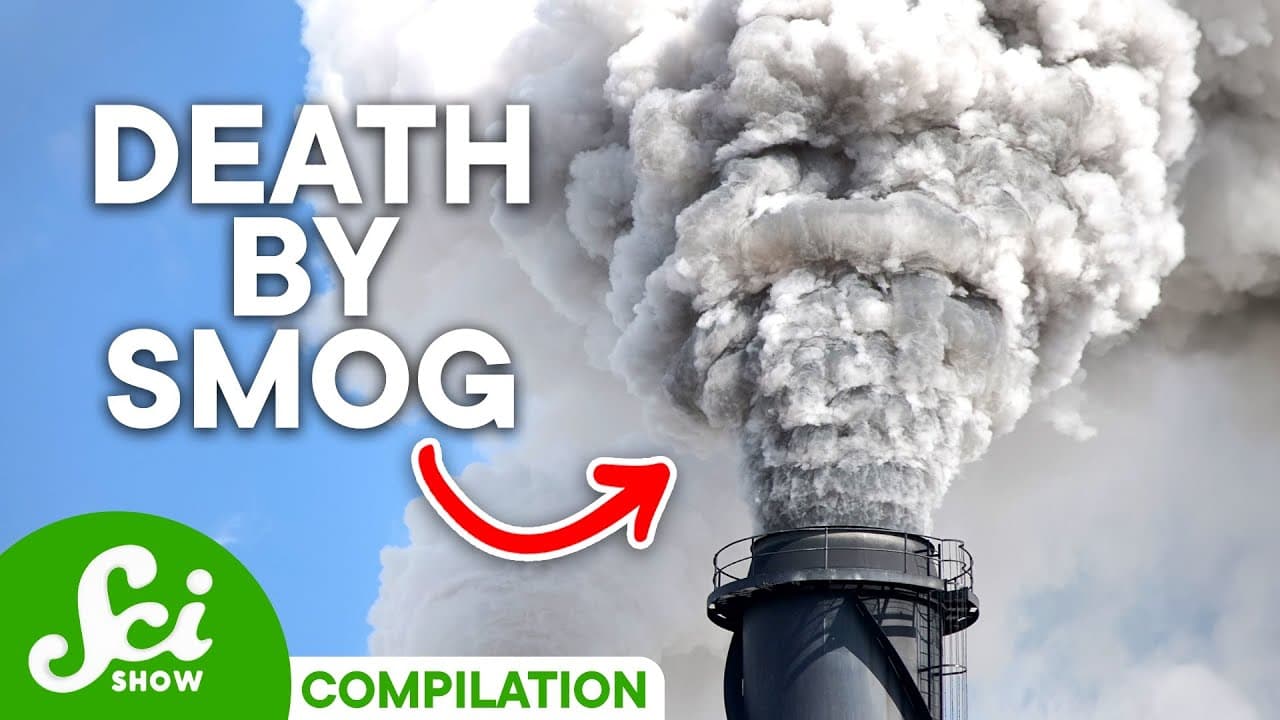
The Great Smog of London in 1952 was caused by a deadly mix of fog and pollution from burning coal, which led to an estimated 12,000 deaths. This historical event highlighted the severe health impacts of air pollution, prompting the UK government to pass the Clean Air Act in 1956 to combat such environmental crises.
Transcript
[♪ INTRO] London is famously foggy. Sometimes that can mean a wistful stroll or another excuse for a cuppa tea, but when fog mixes with the smoke and chemicals produced by industry, it becomes something new: smog. And for a couple of centuries, London’s smog could kill. Really bad smogs could kill a thousand people in a few days, but no one did muc... Read More
Key Insights
- 🥺 London's transition from wood to coal for heating led to the formation of smog that worsened over time.
- 🧑⚕️ The Industrial Revolution intensified the smog problem in London, impacting the health of its residents.
- 🤨 The Great Smog of London in 1952 resulted in thousands of deaths and raised awareness about the dangers of unrestricted pollution.
- 💋 The passing of the Clean Air Act in 1956 marked a significant step towards addressing the smog problem in London.
- 🇻🇦 Other cities, such as New York City and Boston, also experienced severe smog issues in the 1960s.
- 🥺 The events in London and other cities led to the implementation of stricter air pollution regulations worldwide.
Install to Summarize YouTube Videos and Get Transcripts
Explore YouTube Video Summarizer or Get YouTube Transcript Extractor
Questions & Answers
Q: How did London's transition from wood to coal for heating contribute to the smog problem?
Burning coal released soot, smoke, sulfur dioxide, and carbon monoxide, which mixed with the natural fog, creating thicker and darker smog. The soot and chemicals in the air caused respiratory illnesses and even death for some people.
Q: What were the effects of the Great Smog in London in 1952?
The Great Smog lasted for five days and resulted in an estimated four thousand deaths. The smog was so thick that transportation was disrupted, flights were grounded, and people experienced visibility issues. The pollution in the air caused respiratory problems, leading to more deaths in the following months.
Q: How did the Great Smog of London lead to changes in legislation?
The devastating impact of the Great Smog brought attention to the pollution problem in London. In response, Parliament passed the Clean Air Act in 1956, which regulated the fuels that could be burned within the city. This marked a turning point in addressing the smog issue.
Q: Did other cities face similar smog problems as London?
Yes, other cities like New York City and Boston experienced smog issues in the 1960s. These events, along with the Great Smog of London, prompted lawmakers worldwide to enact stricter air pollution regulations, limiting emissions from factories and introducing more efficient car engines.
Summary & Key Takeaways
-
London's fog mixed with smoke and chemicals from burning coal, creating smog that became increasingly thick and dangerous over time.
-
The Industrial Revolution worsened the smog problem in London, as coal powered factories and increased pollution levels.
-
The Great Smog of 1952 resulted in thousands of deaths and led to the passage of the Clean Air Act in London.
Read in Other Languages (beta)
Share This Summary 📚
Summarize YouTube Videos and Get Video Transcripts with 1-Click
Try YouTube Summary with ChatGPT & Claude or YouTube Transcript Generator
Explore More Summaries from SciShow 📚


Summarize YouTube Videos and Get Video Transcripts with 1-Click
Try YouTube Summary with ChatGPT & Claude or YouTube Transcript Generator