How American Medics Saved Japanese POW's Life
TL;DR
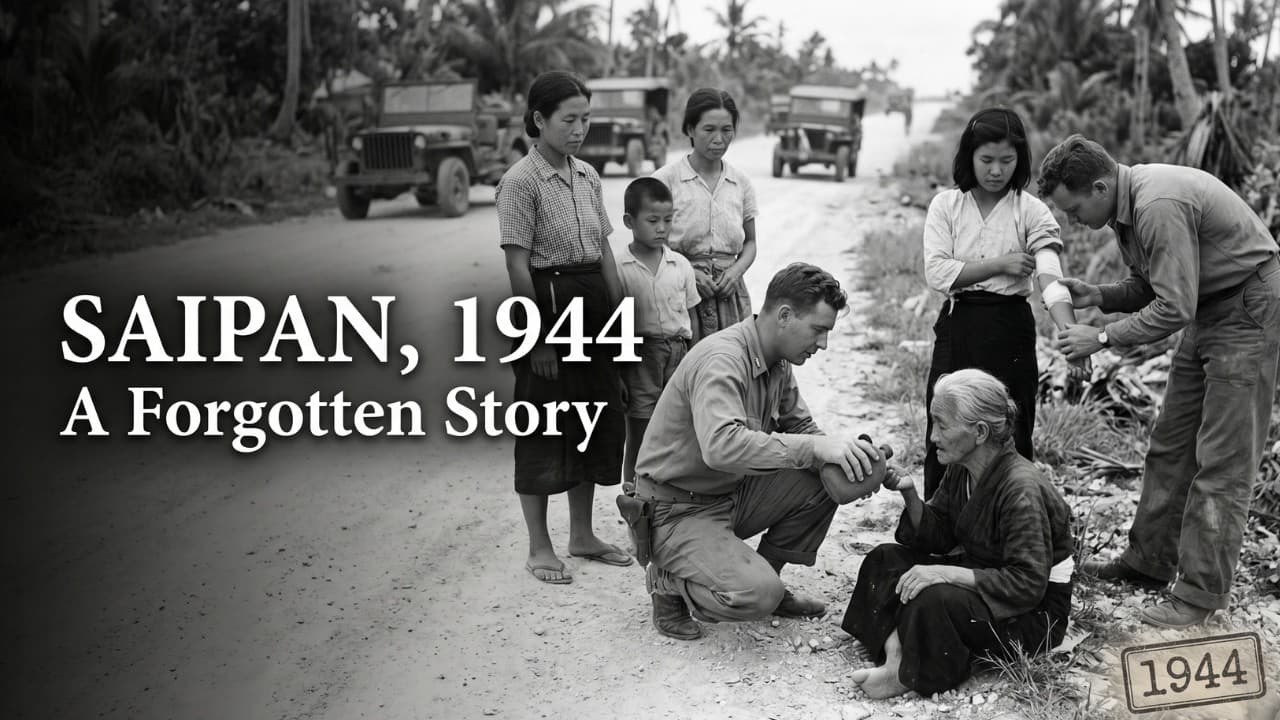
In 1944, on Saipan, American medics defied expectations by saving the life of a paralyzed Japanese nurse, Ko, showing compassion instead of cruelty. This act challenged the beliefs of 15 Japanese women POWs, who had been taught to fear Americans as ruthless killers. The medics' actions demonstrated that compassion can transcend wartime hatred and propaganda, revealing shared humanity.
Transcript
They were told Americans would burn them alive, rape them, then feed their bodies to dogs. That's what the Japanese military told every woman on Saipan in the summer of 1944. So when Ko collapsed on the dirt road, unable to move her legs, her friends prepared to die with her. They had been walking for 3 days without food. Their bodies were covered ... Read More
Key Insights
- In 1944, Japanese women on Saipan were taught Americans would torture and kill them upon capture.
- Ko, a Japanese nurse, collapsed from pain and paralysis after enduring beatings for surrendering.
- American medics ran to help Ko, challenging the women's beliefs about their supposed enemy.
- The medics treated Ko with compassion, using morphine and performing surgery to save her spine.
- The women were surprised by the kindness shown, contrasting with their own military's cruelty.
- The experience revealed that Americans valued their lives more than their own leaders had.
- This story highlights the power of compassion over cruelty, even during wartime.
- The women's perspective on Americans changed, realizing the lies they had been taught.
Install to Summarize YouTube Videos and Get Transcripts
Explore YouTube Video Summarizer or Get YouTube Transcript Extractor
Questions & Answers
Q: How did American medics respond to the Japanese nurse Ko's condition?
When Ko, a Japanese nurse, collapsed from paralysis and pain, American medics responded with compassion. They quickly assessed her condition, administered morphine for pain relief, and performed surgery to save her spine. Their actions defied the expectations of the Japanese women, who had been taught to fear Americans as ruthless killers. The medics' care demonstrated a commitment to humanity over wartime propaganda.
Q: What were the Japanese women taught about Americans during World War II?
During World War II, Japanese women were taught that Americans were ruthless killers who would torture and kill any Japanese captured. This narrative was part of the wartime propaganda that dehumanized the enemy and encouraged Japanese civilians to choose death over surrender. The story of Ko and the American medics challenged these beliefs, revealing the compassion and humanity of the supposed enemy.
Q: What impact did the American medics' actions have on the Japanese women POWs?
The American medics' actions had a profound impact on the Japanese women POWs. By treating Ko with care and compassion, the medics challenged the women's beliefs about their enemy. The experience revealed that Americans valued their lives more than their own leaders had, and it shattered the dehumanizing narratives they had been taught. The women began to see Americans as compassionate individuals rather than ruthless enemies.
Q: How did the experience with American medics change Ko's perspective?
Ko's experience with American medics changed her perspective on the enemy. She witnessed firsthand the compassion and care they provided, contrary to the ruthless image she had been taught. The medics' actions saved her life and challenged the propaganda that dehumanized Americans. Ko realized that the Americans valued her life and treated her with humanity, leading to a shift in her understanding of the enemy.
Q: What does the story of Ko and the American medics illustrate about wartime narratives?
The story of Ko and the American medics illustrates that wartime narratives can be challenged by individual acts of compassion. Despite the dehumanizing propaganda that depicted Americans as ruthless killers, the medics' actions demonstrated shared humanity and the power of compassion over cruelty. This experience highlighted the importance of questioning and reevaluating the narratives taught during conflict.
Q: How did the Japanese women react to the care provided by American medics?
The Japanese women were initially shocked by the care provided by American medics. They had been taught to fear Americans as ruthless killers, but the medics' compassion and professionalism contradicted this belief. The women witnessed the medics' efforts to save Ko's life, which included administering morphine and performing surgery. This experience led to a reevaluation of their understanding of the enemy, recognizing the humanity and kindness of the medics.
Q: What role did compassion play in the story of Ko and the American medics?
Compassion played a central role in the story of Ko and the American medics. The medics' response to Ko's suffering was guided by empathy and humanity, challenging the wartime propaganda that dehumanized the enemy. Their actions demonstrated that compassion can transcend the divisions of war and reveal shared humanity. This experience highlighted the power of individual choices to challenge dehumanizing narratives and promote understanding.
Q: What lesson did Ko and the other Japanese women learn from their experience with American medics?
Ko and the other Japanese women learned that the narratives they had been taught about Americans were false. The medics' compassionate care challenged the belief that Americans were ruthless killers and revealed their shared humanity. This experience taught the women the importance of questioning propaganda and recognizing the power of compassion to transcend wartime hatred. It highlighted the potential for individual acts of kindness to change perceptions and promote understanding.
Summary & Key Takeaways
-
In 1944, Japanese women on Saipan feared American capture, expecting torture and death. After days without food, Ko, a nurse, collapsed from paralysis. American medics ran to help, challenging the women's beliefs. They treated Ko with compassion, saving her spine, and showed kindness that contrasted with the cruelty of their own military.
-
The American medics' actions revealed the power of compassion over wartime hatred. The Japanese women learned that the Americans valued their lives more than their leaders had. This experience shattered the lies they were taught, highlighting shared humanity and challenging dehumanizing narratives.
-
Ko's story demonstrates that individual acts of compassion can transcend the divisions of war. The American medics' response to her suffering showed that even in history's darkest moments, humanity can prevail. This forgotten chapter of World War II exemplifies the choice between hatred and compassion.
Read in Other Languages (beta)
Share This Summary 📚
Summarize YouTube Videos and Get Video Transcripts with 1-Click
Try YouTube Summary with ChatGPT & Claude or YouTube Transcript Generator
Explore More Summaries from Hidden World Moves 📚

Summarize YouTube Videos and Get Video Transcripts with 1-Click
Try YouTube Summary with ChatGPT & Claude or YouTube Transcript Generator