How to infiltrate a gang for revenge in kung fu lore
TL;DR
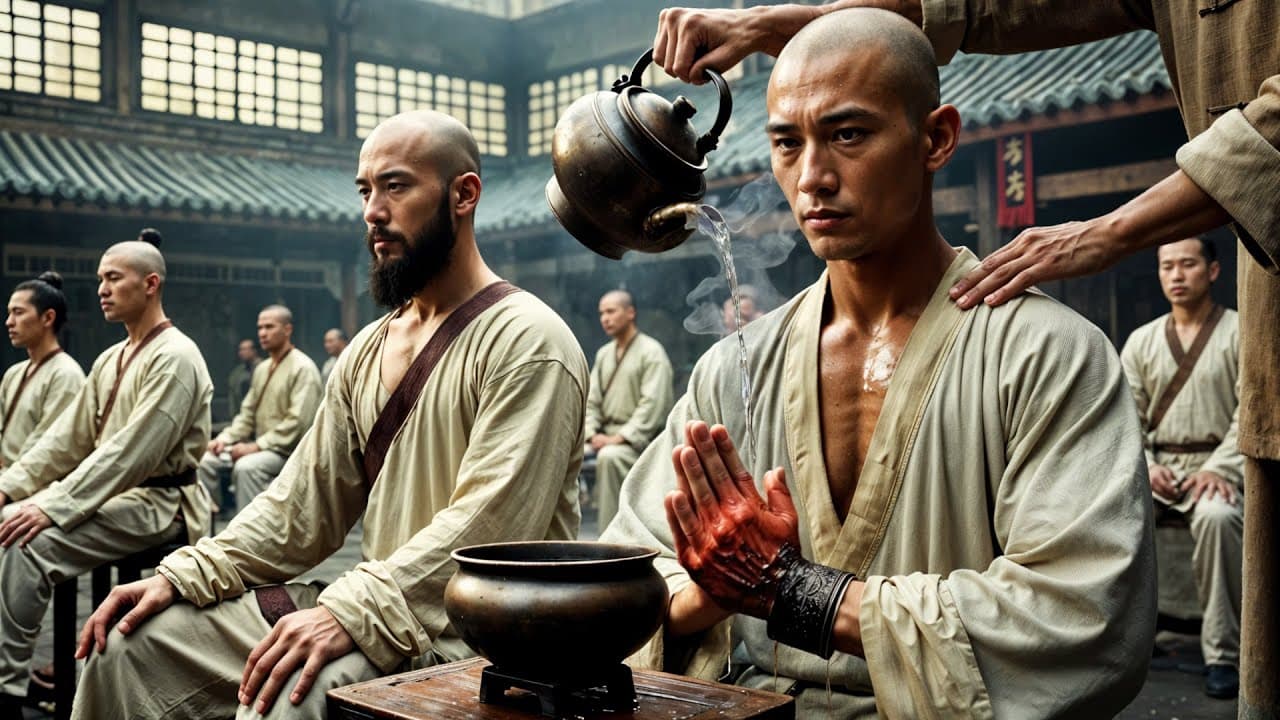
The protagonist joins the Black Tiger gang as the fourth adopted son and then uses internal access to strike from within. He plans a dual assault on rival leadership and a vault for leverage, while a larger orphan resistance forms in parallel. The story centers on loyalty, revenge, and strategic takedowns.
Transcript
the movie starts in hangu Harbor wongel in 1868 a tough time for the Chinese people during this period the Ching dynasty was weak leading to unchecked problems like human trafficking prostitution and opium trade hango Harbor was also under the control of two major gangs the black tiger and the North Sea the black tiger gang not only controlled the ... Read More
Key Insights
- The protagonist joins a powerful gang and rises to become a fourth adopted son. The key to control lies in two hidden vault keys held by trusted members. The inner plan hinges on duplicating a vault key and revealing the true loyalties of allies. The orphan group forms to oppose the gang’s cruelty. A monk-inspired training arc shapes the fighter’s philosophy of revenge. The raid on the North Sea gang demonstrates strategic use of both force and misdirection. The final confrontation ties personal vengeance to a broader goal of freeing oppressed orphans. The story explores loyalty, sacrifice, and the evolution of a hero from avenger to protector.
Install to Summarize YouTube Videos and Get Transcripts
Explore YouTube Video Summarizer or Get YouTube Transcript Extractor
Questions & Answers
Q: What is the main goal of the protagonist in this story?
The main goal is to infiltrate the Black Tiger gang as the fourth adopted son and use that position to eliminate rival leaders and seize control of the gang’s assets. This plan is driven by a desire for revenge for his father and to free the oppressed who suffered under the gang’s cruelty. The strategy relies on internal access, deception, and coordinated assaults on both leadership and resources.
Q: How does the protagonist gain access to the gang’s vault plans?
The protagonist obtains information about the Money Vault and its two keys from his close associates and through covert actions within the gang’s operations. He leverages a forged claim about duplicating a key to trigger suspicion and to align allies, ultimately guiding a team to access the vault without triggering immediate discovery. This enables a larger scheme to cripple the gang financially.
Q: Who forms the opposing force to the Black Tiger gang, and what is their goal?
An orphan group emerges as a opposing force, consisting of children who lost their parents to the gang’s oppression. Their goal is to avenge their parents and others harmed by the gang, using subterfuge, targeted attacks, and collaboration with the infiltrating protagonist to weaken the gang from within. This adds a moral dimension to the conflict.
Q: What role does training and discipline play in the protagonist’s development?
Training and discipline are central to turning a revenge-seeker into a capable fighter and strategist. A monk teaches him the true meaning of revenge as protecting those in danger, and years of kung fu training prepare him to lead, infiltrate, and execute complex plans under pressure. This philosophy sustains him during brutal confrontations.
Q: How do alliances shift during the story?
Alliances shift between loyalty to the gang, cooperation with the orphan resistance, and uneasy truces with former rivals. The protagonist uses deception with some allies while earning trust and leverage with others through shared goals, such as toppling the gang’s leadership and freeing captive innocents. These dynamics drive the plot forward.
Q: What is the significance of the vault in the plot?
The vault represents the gang’s wealth and power, serving as a high-stakes objective that exposes vulnerabilities in the gang’s security. Gaining access to the vault allows the infiltrator to destabilize the organization financially while bolstering the orphan resistance and undermining the gang’s control over the harbor.
Q: How does the story portray revenge in contrast to justice?
Revenge is portrayed as a catalyst that exposes cruelty and corruption, while true justice emerges through structured action, sacrifice, and protection of the vulnerable. The protagonist evolves from seeking personal vengeance to pursuing broader justice by dismantling a criminal empire and freeing those harmed by its cruelty.
Q: What themes define the climactic confrontation?
The climactic confrontation combines martial prowess with strategic planning, moral choices, and the alliances built with orphans. It emphasizes power dynamics within the gang, the cost of violence, and the possibility of redemption through protecting the innocent, not just destroying enemies. The outcome hinges on coordinated action and clear objectives.
Summary & Key Takeaways
-
An orphan trains fiercely to blend into a criminal syndicate and seeks revenge for his father, navigating loyalty and risk. The tale blends brutal fights with intrigue as he maneuvers to dismantle the gang from inside. Revenge evolves into a broader mission to free the oppressed."
-
The plot escalates through a series of battles, betrayals, and key heists that reveal deeper motives beyond personal vengeance. Alliances shift as the main character gathers allies among orphans and former friends. The culmination hinges on a bold strike against leadership and a hidden vault.
-
The narrative emphasizes discipline, sacrifice, and the cost of vengeance, showing how rigorous kung fu training shapes the protagonist into a capable agent of change within a corrupt system. The ending suggests a turn toward justice beyond revenge.
Read in Other Languages (beta)
Share This Summary 📚
Summarize YouTube Videos and Get Video Transcripts with 1-Click
Try YouTube Summary with ChatGPT & Claude or YouTube Transcript Generator
Explore More Summaries from RECAP KING 📚



Summarize YouTube Videos and Get Video Transcripts with 1-Click
Try YouTube Summary with ChatGPT & Claude or YouTube Transcript Generator