Is Education Really a SCAM? Zuby Explains
TL;DR
Zuby claims the traditional education system is failing students by inflating costs and providing little real-world value, emphasizing the urgent need for reform. He advocates for flexibility and personal freedom, especially in financial decisions and life choices, as essential in today's unpredictable environment.
Transcript
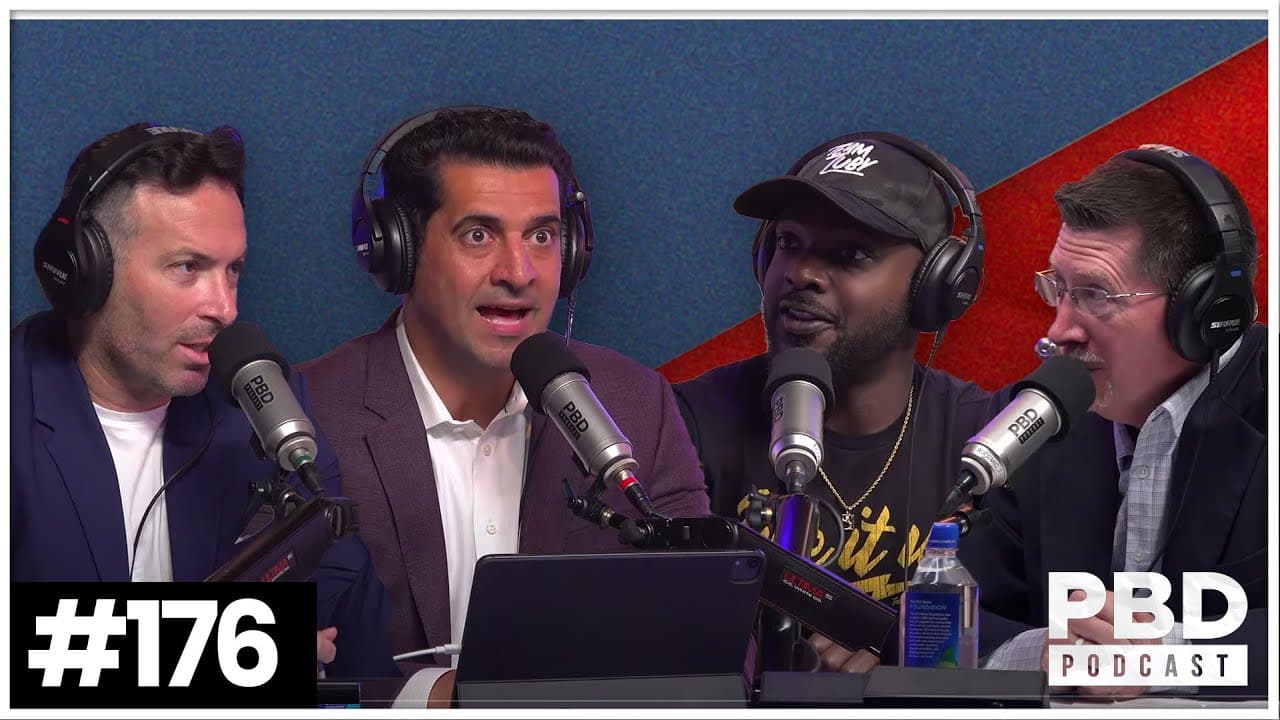
valuetainment giving what is this is the commercial on okay it's my ipad actually hey hello hello hello so today is what episode 176 with the great zoobee in town i can't even say from where it's just you're in town because who knows where you live nowadays right you're traveling all over the world yeah man i'm doing the nomadic thing so from the u... Read More
Key Insights
- 🥺 Flexibility in lifestyle choices can lead to enriching experiences, as demonstrated by Zubi's nomadic living.
- 😮 The rising household debt in the U.S. signals a financial crisis that requires awareness and proactive financial management by individuals.
- 🌍 The U.S. education system is in dire need of reform, emphasizing relevant life skills over traditional degree paths that may not provide real-world benefits.
- 👏 Harm reduction approaches to drug addiction, while well-meaning, raise ethical questions about enabling drug use instead of focusing on recovery.
- 🖤 The current geopolitical landscape emphasizes the need for nuanced understandings of complex relationships, not just black-and-white narratives.
- 🧑🏫 The importance of teaching financial literacy and personal finance skills is crucial for fostering a responsible citizenry capable of navigating today's economic challenges.
- 🥺 Individuals often conflate personal experiences with broad societal issues, leading to misguided conclusions about governance and policy.
Install to Summarize YouTube Videos and Get Transcripts
Explore YouTube Video Summarizer or Get YouTube Transcript Extractor
Questions & Answers
Q: What motivated Zubi to adopt a nomadic lifestyle?
Zubi's decision to lead a nomadic lifestyle stems from his desire for flexibility and unique experiences. He enjoys traveling around the world for events, speaking engagements, and performances. This lifestyle suits him as a bachelor, allowing him to embrace spontaneity and freedom without the constraints of a permanent residence or family responsibilities.
Q: How does Zubi view the financial landscape for Americans today?
Zubi expresses concerns about the financial landscape in the U.S., highlighting the explosive growth of credit card debt and overall household debt, which has surpassed $16 trillion. He emphasizes the importance of financial literacy, responsibility, and the potential pitfalls many face when relying on credit to maintain their lifestyles.
Q: What are Zubi's thoughts on the U.S. education system?
Zubi critiques the U.S. education system, arguing that it has become outdated and places too much emphasis on degrees rather than practical skills. He believes that many subjects taught in universities are irrelevant to real-life applications, and advocates for a focus on essential life skills, such as financial literacy and effective communication.
Q: How does Zubi view harm reduction policies for drug use in California?
Zubi approaches harm reduction policies with caution, acknowledging the controversial nature of allowing safe consumption spaces for heroin users. While recognizing the intent to reduce overdose deaths, he questions the long-term effectiveness and ethical implications of supporting drug use rather than encouraging rehabilitation and prevention.
Q: What insights does Zubi provide regarding international relations, particularly related to Ukraine?
Zubi reflects on the complexities of international relationships, especially concerning Ukraine and Russia. He notes the deepening mistrust between the U.S. government and Ukraine's leadership, revealing a nuanced perspective that differentiates between governments and people, highlighting the importance of understanding historical and political contexts.
Q: Why does Zubi emphasize the need for personal responsibility in managing finances?
Zubi believes that individuals must take charge of their financial futures by avoiding debt and making informed spending decisions. He discusses how many Americans struggle with credit card debt, urging them to prioritize financial literacy and responsibility to avoid falling into a cycle of debt.
Summary & Key Takeaways
-
Zubi shares his nomadic lifestyle, expressing the benefits of flexibility and the unique experiences it brings, especially as a bachelor.
-
The conversation explores the financial burdens of American society, particularly concerning credit card and student debt, reflecting on individual responsibilities in managing finances.
-
Topics such as the U.S. education system’s failures, addiction policies in California, and the complexities of international relations, especially regarding Ukraine and Russia, significantly shape the dialogue.
Read in Other Languages (beta)
Share This Summary 📚
Summarize YouTube Videos and Get Video Transcripts with 1-Click
Try YouTube Summary with ChatGPT & Claude or YouTube Transcript Generator