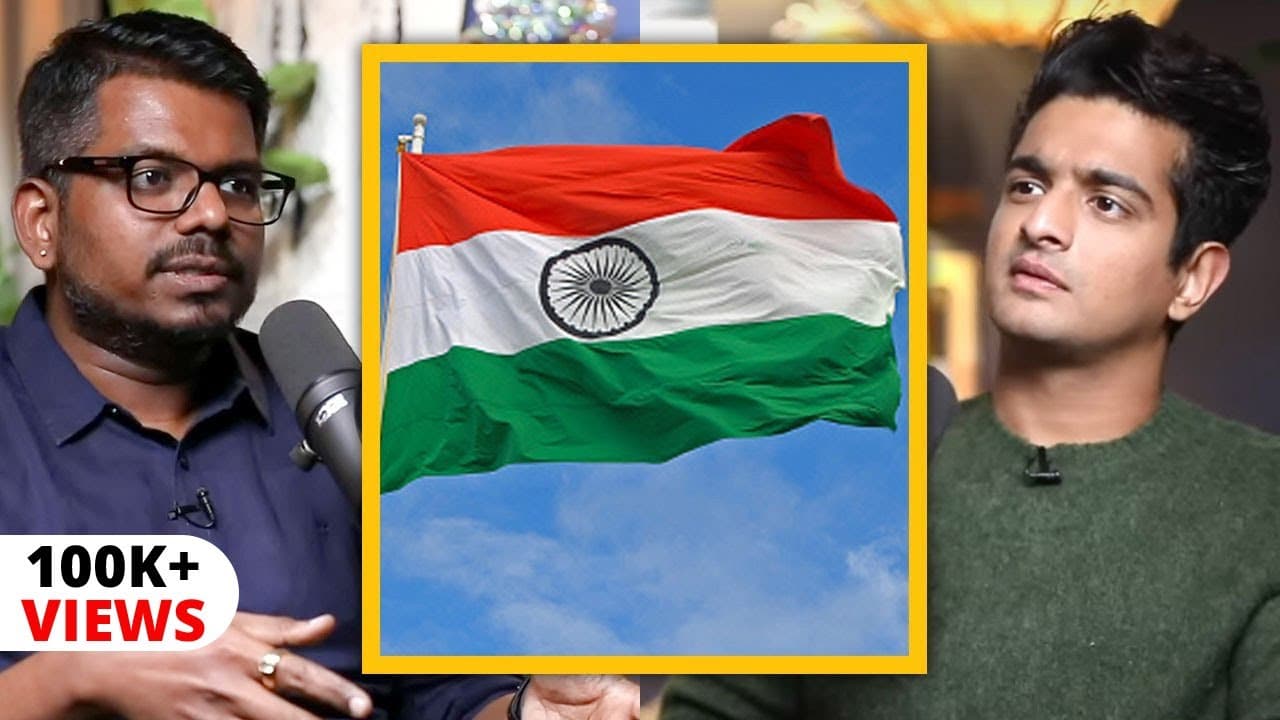
Next 10 Years Will Be... | J Sai Deepak Predicts India's Best & Worst Possibilities
TL;DR
India will shift politically and economically in the next decade.
Transcript
your friends are scrolling through short content but you my friend you're here to learn welcome to the honest clips five things that will not be present in India in 10 years time it won't be a party-based election anymore it will be a presidential style election like people yes you'll be voting for people people will be voting for individuals okay ... Read More
Key Insights
- 🖐️ India's political landscape is poised for a transformation where individual leadership will play a more crucial role in elections.
- 😮 Public transportation usage is expected to rise, with younger generations favoring cabs and metros over car ownership.
- 💦 Environmental concerns, particularly regarding water scarcity, will compel nations to reassess their ecological impact and policies.
- ↩️ There may be a resurgence of skilled individuals returning to India motivated by cultural connections and support systems.
- 🇮🇳 The evolving job market in India could attract talent back from abroad if economic conditions are favorable and competitive.
- 💗 The traditional view of success in Western countries is shifting, with many seeking opportunities in India's growing economy.
- 🧑🏭 Cultural factors, familial ties, and the community support in India are significant motivators for individuals considering a return from foreign lands.
Install to Summarize YouTube Videos and Get Transcripts
Explore YouTube Video Summarizer or Get YouTube Transcript Extractor
Questions & Answers
Q: What political changes are anticipated in India's future?
The content predicts a significant shift in India's political system from traditional party-based elections to a presidential-style format. Voters are expected to prioritize individual candidates rather than political parties, which may lead to more personalized campaigns and increased accountability from elected officials.
Q: How will transportation preferences evolve in India over the next decade?
A gradual transition towards public transportation is anticipated, with younger generations embracing cabs and metros instead of maintaining personal vehicles. This shift reflects a growing awareness of the costs and responsibilities associated with car ownership, and a desire for more efficient urban mobility options.
Q: What environmental issues does the content highlight as critical for India's future?
The discussion emphasizes the need for urgent action regarding environmental disrespect and water scarcity, which are prevalent across various regions in India. The criticism of current government policies suggests that a balance between infrastructure development and ecological sustainability must be achieved to address these challenges effectively.
Q: How do cultural factors influence the return of talent to India?
The content mentions a reverse brain drain, suggesting that many talented individuals who left India for better opportunities abroad are now reconsidering their options. Factors such as the desire for a strong familial support system, cultural bonding, and involvement in India's growth narrative draw these individuals back home.
Q: What role do economic incentives play in encouraging talent to return to India?
Economic incentives, particularly competitive salaries that cover about 70% to 80% of what expatriates earn abroad, can significantly influence the decision of skilled individuals to return to India. Many prospective returnees are motivated by the potential to live comfortably while contributing to the country's development.
Q: How does the content view the changing perception of the "American Dream"?
The American Dream's allure is diminishing, as many European nations also struggle to manage their cultural and economic challenges. The content suggests that the perceived stability and opportunity once offered by these regions are not as appealing now, prompting individuals to reconsider their priorities and potential in India.
Summary & Key Takeaways
-
The political landscape in India is expected to evolve from party-based elections to a more presidential-style system, where individual candidates gain importance in the eyes of voters.
-
Urbanization will encourage public transportation use, reducing reliance on personal vehicles as younger generations seek more convenient and economical travel options.
-
An environmental reckoning awaits India, with urgent attention needed to address increasing water issues and ecological respect, resulting from modern lifestyle practices and infrastructure development.
Read in Other Languages (beta)
Share This Summary 📚
Summarize YouTube Videos and Get Video Transcripts with 1-Click
Try YouTube Summary with ChatGPT & Claude or YouTube Transcript Generator
Explore More Summaries from TRS Clips 📚



Summarize YouTube Videos and Get Video Transcripts with 1-Click
Try YouTube Summary with ChatGPT & Claude or YouTube Transcript Generator