What Caused Mount St. Helens Eruption in 1980?
TL;DR
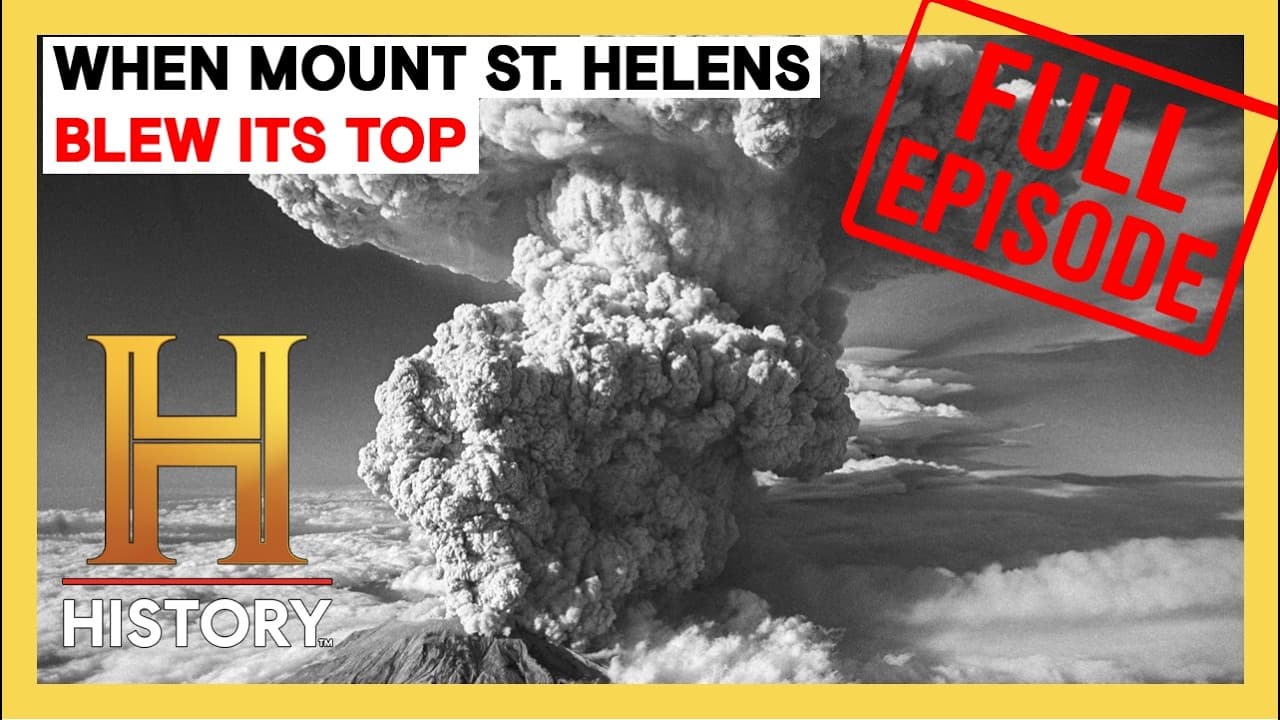
Mount St. Helens erupted in 1980 due to a massive landslide triggered by a 5.1 magnitude earthquake. This led to a lateral blast and subsequent mudflows, causing widespread destruction. The event provided valuable insights into volcanic behavior, helping scientists improve eruption predictions and understand the potential hazards of similar volcanoes.
Transcript
earth a unique planet restless and dynamic continents shift and clash volcanoes erupt glaciers grow and recede titanic forces that are constantly at work leaving a trail of geological mysteries behind this episode investigates the deadliest and most destructive volcanic event in u.s history mount saint helens a pristine snow-capped mountain sud... Read More
Key Insights
- Mount St. Helens erupted on May 18, 1980, after a 5.1 magnitude earthquake triggered a massive landslide.
- The landslide exposed magma, resulting in a powerful lateral blast that devastated 230 square miles of forest.
- The eruption caused mudflows that destroyed infrastructure, highlighting the danger of lahars even far from the volcano.
- Scientists discovered that the mountain's structure was weakened by hot water altering volcanic rock into softer materials.
- The 1980 eruption was a landmark event, offering unprecedented data on lateral blasts and volcanic behavior.
- Mount St. Helens has a history of both quiet lava flows and explosive eruptions, making future activity unpredictable.
- The eruption led to improved volcanic monitoring and prediction methods, aiding in disaster preparedness.
- Lessons from Mount St. Helens were applied to other volcanoes, such as Montserrat, preventing further catastrophes.
Install to Summarize YouTube Videos and Get Transcripts
Explore YouTube Video Summarizer or Get YouTube Transcript Extractor
Questions & Answers
Q: How did the Mount St. Helens eruption occur?
The eruption of Mount St. Helens on May 18, 1980, was triggered by a 5.1 magnitude earthquake that caused a massive landslide on the north flank of the volcano. This landslide exposed the magma chamber, leading to a lateral blast that devastated the surrounding area. The event was characterized by a rapid release of pressure, causing a powerful explosion and subsequent mudflows.
Q: What were the main consequences of the Mount St. Helens eruption?
The eruption resulted in the destruction of 230 square miles of forest, 57 human fatalities, and significant damage to infrastructure, including bridges, homes, and highways. The lateral blast and mudflows caused widespread devastation, and the landscape was dramatically altered. The event also provided valuable data for volcanic research, leading to improved monitoring and prediction methods.
Q: Why was the Mount St. Helens eruption significant for scientists?
The Mount St. Helens eruption was significant because it was the first time scientists witnessed a lateral blast and massive landslide at a volcano. The event provided unprecedented data on volcanic behavior, helping researchers understand the mechanics of eruptions and improve prediction methods. This knowledge has been instrumental in enhancing volcanic monitoring and disaster preparedness worldwide.
Q: What role did gas emissions play in predicting the eruption?
Gas emissions, particularly sulfur dioxide, were monitored as potential indicators of volcanic activity. However, during the 1980 Mount St. Helens eruption, gas emissions did not show significant changes despite increasing seismic activity, leading to challenges in prediction. This highlighted the complexity of volcanic systems and the need for a multi-faceted approach to monitoring, including seismic and deformation data.
Q: How did the eruption affect the landscape around Mount St. Helens?
The eruption dramatically altered the landscape, creating a 2,000-foot-wide crater and destroying vast areas of forest. The lateral blast flattened trees and vegetation, while mudflows reshaped river valleys and buried infrastructure. The event left a stark, ash-covered landscape that was unrecognizable to those familiar with the area before the eruption.
Q: What lessons were learned from the Mount St. Helens eruption?
The eruption taught scientists about the unpredictability of volcanic activity and the importance of comprehensive monitoring. It highlighted the need for improved prediction methods and public awareness of volcanic hazards. The event also underscored the significance of understanding a volcano's history to anticipate future eruptions and mitigate potential impacts on communities.
Q: How has the Mount St. Helens eruption influenced volcanic monitoring?
The eruption led to advancements in volcanic monitoring techniques, including the use of seismic data, gas emissions, and ground deformation measurements. These methods have improved the ability to predict eruptions and assess volcanic hazards. The lessons learned have been applied globally, helping to enhance disaster preparedness and response strategies for volcanic regions.
Q: What is the current state of Mount St. Helens?
Mount St. Helens remains an active volcano, with ongoing monitoring to assess potential future activity. Since the 1980 eruption, the volcano has experienced periods of dome-building and seismic activity. Scientists continue to study its behavior to improve understanding of its eruptive patterns and ensure public safety. The area around the volcano has also become a site for research and education on volcanic processes.
Summary & Key Takeaways
-
Mount St. Helens erupted in 1980 due to a landslide triggered by an earthquake, leading to a lateral blast and massive destruction. The event provided crucial insights into volcanic behavior, improving prediction methods and highlighting the importance of monitoring volcanic activity for public safety.
-
The eruption caused significant damage through mudflows and a lateral blast, affecting areas far from the volcano. Scientists discovered that the mountain's structure was weakened by hot water altering the volcanic rock, which contributed to the landslide and subsequent eruption.
-
The 1980 eruption of Mount St. Helens was a landmark event that improved understanding of volcanic activity and led to better monitoring and prediction methods. The lessons learned have been applied to other volcanoes, such as Montserrat, helping to prevent similar disasters in the future.
Read in Other Languages (beta)
Share This Summary 📚
Summarize YouTube Videos and Get Video Transcripts with 1-Click
Try YouTube Summary with ChatGPT & Claude or YouTube Transcript Generator
Explore More Summaries from HISTORY 📚






Summarize YouTube Videos and Get Video Transcripts with 1-Click
Try YouTube Summary with ChatGPT & Claude or YouTube Transcript Generator