How to Deploy a Django Application Using Linode
TL;DR
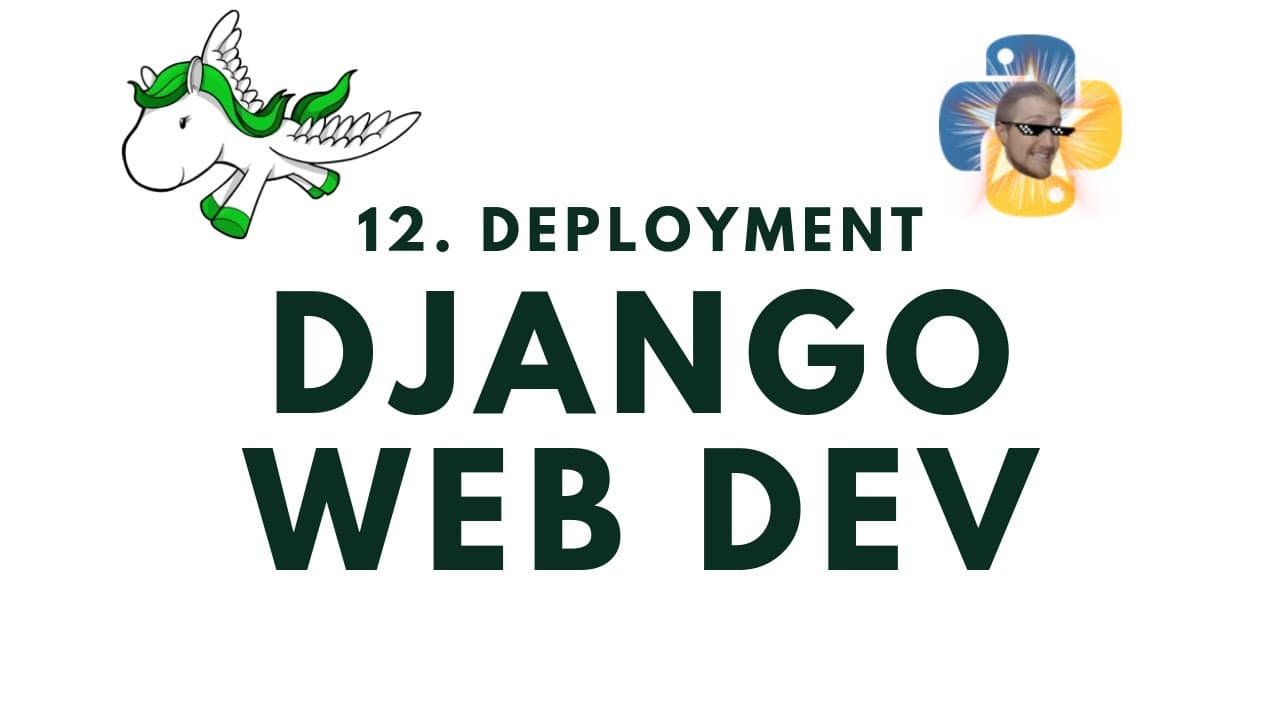
To deploy a Django application using Linode, create an account, set up a server, and install necessary packages like Django and WSGI. Use stack scripts for an automated deployment process, configure the virtual host, and transfer your project files. Ensure you handle static files properly and consider enabling backups for data security.
Transcript
what's going on everybody welcome to another Django tutorial video in this video we're gonna be working on is the actual deployment of a django application to the cloud so the first thing that we're gonna need is an actual host for our servers I'm going to be using Linode Linode is also a sponsor of the series I've been with Linode for almost a dec... Read More
Key Insights
- 👻 Linode is recommended as an affordable and scalable host for Django applications, with easy server setup and management.
- 💨 Stack scripts provide a convenient way to automate the deployment process, saving time and effort.
- 👻 It is important to consider the long-term cost and scalability of hosting options when choosing a host for a Django application.
- 🔒 Enabling backups through Linode is highly recommended to ensure data security and facilitate easy data recovery.
- 😫 Setting up the virtual host and configuring the web server are crucial steps in the Django deployment process.
Install to Summarize YouTube Videos and Get Transcripts
Explore YouTube Video Summarizer or Get YouTube Transcript Extractor
Questions & Answers
Q: Why is Linode recommended as the host for Django applications?
Linode is affordable and scalable, making it a suitable choice for hosting Django applications. Additionally, the instructor has had a positive experience with Linode for almost a decade.
Q: What is a stack script and how can it be used in Django deployment?
A stack script is a shell script that automates the deployment process. It allows for quick and easy deployment of a basic sample Django application, eliminating the need to repeat all the steps manually.
Q: What are some alternative hosting options for Django applications?
Other hosting options include Google Cloud, AWS, DigitalOcean, Heroku, and PythonAnywhere. However, the instructor cautions that these options may become more expensive as the application grows.
Q: Why is it important to enable backups when using Linode?
Backups are essential for data security and recovery. Until a custom backup system is implemented, enabling backups through Linode provides an easy and reliable solution to protect against data loss.
Summary & Key Takeaways
-
The video provides a tutorial on deploying a Django application to the cloud using Linode as the host.
-
The instructor recommends Linode due to its affordability and ability to easily scale as the application grows.
-
Stack scripts are introduced as a convenient way to automate the deployment process.
-
The tutorial covers setting up the server, installing necessary packages, configuring the virtual host, transferring project files, and handling static files.
Read in Other Languages (beta)
Share This Summary 📚
Summarize YouTube Videos and Get Video Transcripts with 1-Click
Try YouTube Summary with ChatGPT & Claude or YouTube Transcript Generator
Explore More Summaries from sentdex 📚



Summarize YouTube Videos and Get Video Transcripts with 1-Click
Try YouTube Summary with ChatGPT & Claude or YouTube Transcript Generator