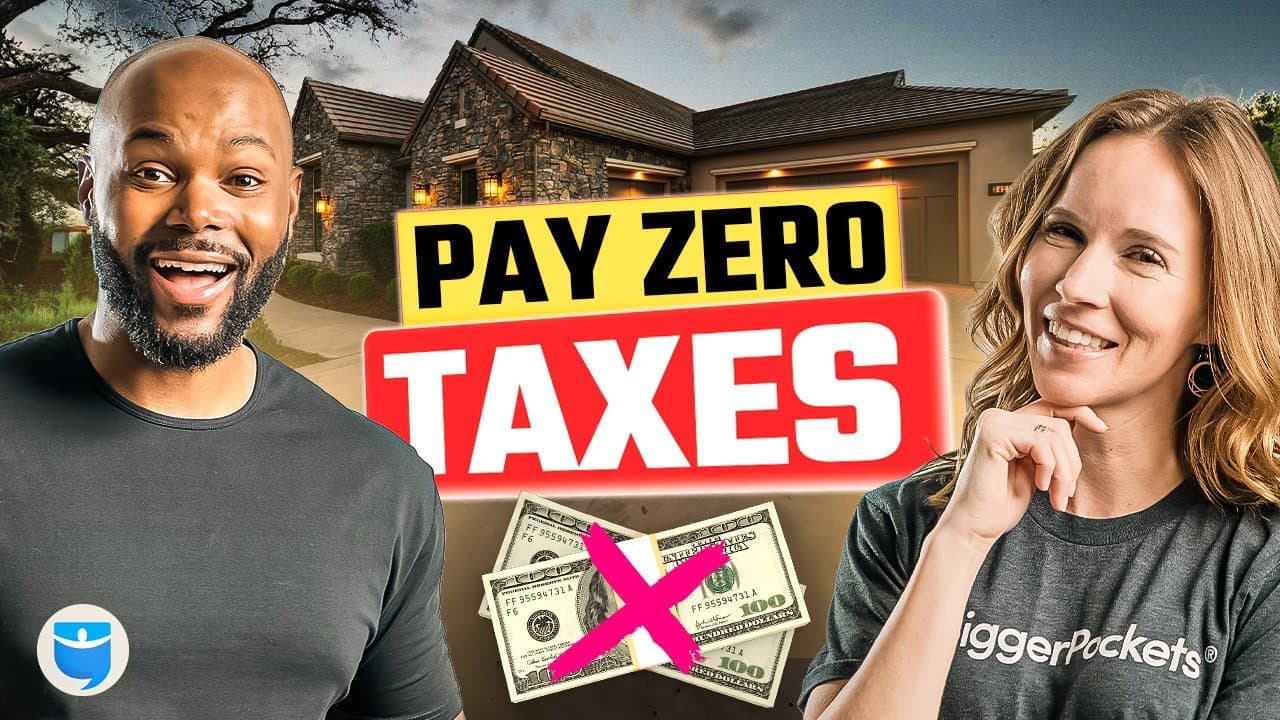
The One Thing You Need to Pay ZERO Taxes This Year
TL;DR
Learn how to pay zero taxes using real estate strategies.
Transcript
this is real estate rookie episode 292. I think that spending money on Tax strategy or or kind of tax planning is one of the few things in your real estate business where if you put a dollar in you get multiple dollars back and yeah definitely we spent a decent amount on tax strategy uh this year but I can also say that I'm probably going to pay ze... Read More
Key Insights
- Investing in tax strategy can yield significant financial returns, potentially allowing investors to pay zero taxes by leveraging the tax code effectively.
- Real estate partnerships require clear roles and expectations, especially when one partner provides the capital while the other manages operations.
- Using credit cards for down payments is risky and often not feasible due to high fees and potential issues with loan underwriting.
- Selling property without an agent might save commission fees, but it often results in lower sale prices and requires effective negotiation skills.
- Diversifying property locations can mitigate risks associated with eviction delays, especially in areas with differing local laws.
- Maintaining adequate reserves and monitoring overall loan-to-value ratios can provide security and peace of mind when managing real estate debt.
- Real estate investors should consider both tax planning and tax preparation to optimize their financial outcomes.
- Virtual CPAs and bookkeepers can be a viable option for investors in rural areas, provided they understand state-specific tax laws.
Install to Summarize YouTube Videos and Get Transcripts
Explore YouTube Video Summarizer or Get YouTube Transcript Extractor
Questions & Answers
Q: How can real estate investors pay zero taxes?
Real estate investors can potentially pay zero taxes by investing in tax strategy and planning. This involves understanding and leveraging the tax code to minimize taxable income. A knowledgeable CPA specializing in real estate can guide investors in utilizing deductions and credits to reduce their tax liabilities significantly.
Q: What should be considered in a real estate partnership?
In a real estate partnership, it is crucial to define roles and expectations clearly. If one partner provides the capital while the other handles operations, both parties should agree on responsibilities and profit-sharing. Effective communication and a well-drafted partnership agreement can help prevent misunderstandings and ensure smooth collaboration.
Q: Is using a credit card for a down payment advisable?
Using a credit card for a down payment is generally not advisable due to high interest rates and fees associated with cash advances. Additionally, large credit card balances can affect loan underwriting and approval. Investors should explore other financing options or use credit cards for smaller expenses like renovations, where zero-percent interest offers are available.
Q: What are the benefits and drawbacks of selling property without an agent?
Selling property without an agent can save commission fees but often results in lower sale prices. It requires the seller to handle marketing, negotiations, and transaction facilitation. Without an agent's expertise, sellers may struggle to attract buyers and achieve optimal sale terms, especially in competitive markets.
Q: How can investors manage risks associated with real estate debt?
Investors can manage real estate debt risks by maintaining adequate reserves and monitoring their overall loan-to-value ratios. Diversifying property locations can also mitigate risks related to local eviction laws. Setting a reserves target for each property can provide financial security and help manage unexpected expenses.
Q: Why is tax planning important for real estate investors?
Tax planning is crucial for real estate investors as it helps optimize financial outcomes by reducing tax liabilities. By understanding available deductions, credits, and tax strategies, investors can retain more of their profits. A CPA specializing in real estate can provide valuable insights and guidance for effective tax planning.
Q: Can virtual CPAs and bookkeepers be effective for rural investors?
Yes, virtual CPAs and bookkeepers can be effective for rural investors. Many offer remote services and have the expertise to handle state-specific tax laws. They can provide valuable support in managing finances and ensuring compliance with tax regulations, making them a viable option for investors with limited local resources.
Q: What is the role of a CPA in real estate investing?
A CPA in real estate investing provides tax planning and preparation services, helping investors minimize tax liabilities and maximize profits. They offer guidance on leveraging the tax code, ensuring compliance, and advising on financial strategies. A CPA specializing in real estate can be instrumental in achieving financial goals and optimizing investment returns.
Summary & Key Takeaways
-
The episode discusses strategies for minimizing tax liabilities through effective tax planning, highlighting the importance of having a knowledgeable CPA to guide real estate investors.
-
Ashley and Tony delve into the dynamics of real estate partnerships, emphasizing the need for clear communication and defined roles, especially when one partner is the primary financial contributor.
-
The hosts explore the risks and considerations of using credit cards for real estate investments, advising against it due to potential financial pitfalls and underwriting complications.
Read in Other Languages (beta)
Share This Summary 📚
Summarize YouTube Videos and Get Video Transcripts with 1-Click
Try YouTube Summary with ChatGPT & Claude or YouTube Transcript Generator
Explore More Summaries from Real Estate Rookie 📚



Summarize YouTube Videos and Get Video Transcripts with 1-Click
Try YouTube Summary with ChatGPT & Claude or YouTube Transcript Generator