4 Keys to Stopping Abusive Debt Collectors
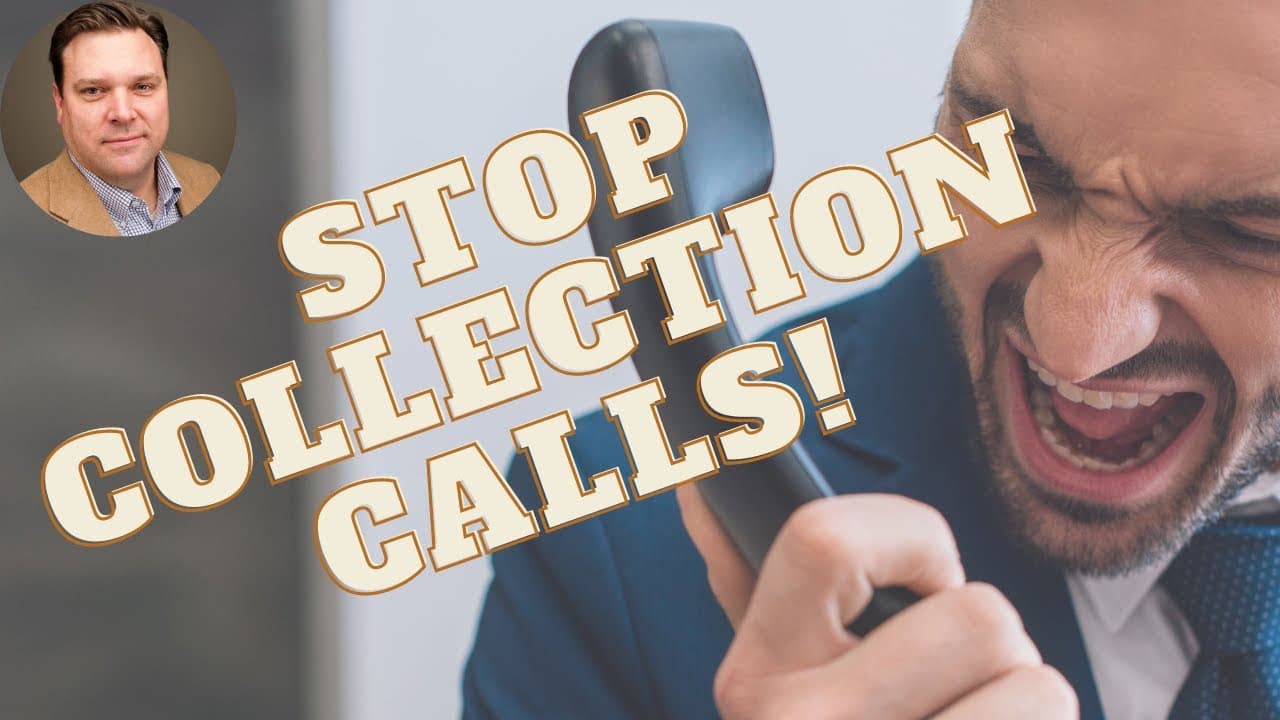
TL;DR
Debt collectors have rules and regulations they must follow when trying to collect a debt, and there are criteria you can assess to determine if you have a claim against them.
Transcript
- Hey everybody, John Skiba here. And in this video we're going to talk about debt collection and debt collectors in general. If you've ever dealt with a debt collector you know it can be a really stressful situation. But what a lot of people don't know is that debt collectors have rules that they have to abide by. It's not just, free game that the... Read More
Key Insights
- 😫 Debt collectors must follow the rules set out in the Fair Debt Collection Practices Act (FDCPA).
- ❓ The FDCPA only applies to debt collectors, not original creditors.
- 🛄 Criteria such as whether a debt collector is involved, if you are a consumer, and if it is a consumer debt determine if you may have a claim against a debt collector.
- 🥳 Violations of the FDCPA include restricted phone call times and contacting third parties without permission.
- ❓ If you believe a debt collector is violating the FDCPA, it is worth consulting with an attorney to discuss potential legal recourse.
- 🤱 Pursuing a claim against a debt collector under the FDCPA may result in statutory damages, actual damages, and attorney's fees being awarded.
Install to Summarize YouTube Videos and Get Transcripts
Explore YouTube Video Summarizer or Get YouTube Transcript Extractor
Questions & Answers
Q: What rules do debt collectors have to follow?
Debt collectors must follow the rules outlined in the Fair Debt Collection Practices Act (FDCPA), which regulate their conduct when collecting debts.
Q: Do the FDCPA rules apply to original creditors?
No, the FDCPA rules only apply to debt collectors and not the original creditors themselves.
Q: Is there a limit on the times debt collectors can call?
Yes, according to the FDCPA, debt collectors cannot call before 8 AM or after 9 PM, unless you give them permission to do so.
Q: Can debt collectors contact third parties about my debt?
Generally, debt collectors are not allowed to share your personal debt information with third parties unless those parties are co-signers on the loan or have your explicit permission.
Q: What can I do if I believe a debt collector is violating the FDCPA?
If you think a debt collector is violating the FDCPA, you can consult with an attorney to assess if you have a claim. The FDCPA allows for statutory damages, actual damages, and attorney's fees to be recovered in successful cases.
Summary & Key Takeaways
-
Debt collectors must adhere to the Fair Debt Collection Practices Act (FDCPA), which sets out rules for their conduct.
-
The FDCPA only applies to debt collectors and not original creditors.
-
To have a claim against a debt collector, you need to consider criteria such as whether they are a debt collector, if you are a consumer, and if it is a consumer debt.
-
Violations of the FDCPA include abusive phone calls, calling at inappropriate hours, and contacting third parties without permission.
Read in Other Languages (beta)
Share This Summary 📚
Summarize YouTube Videos and Get Video Transcripts with 1-Click
Try YouTube Summary with ChatGPT & Claude or YouTube Transcript Generator
Explore More Summaries from Consumer Warrior 📚
Summarize YouTube Videos and Get Video Transcripts with 1-Click
Try YouTube Summary with ChatGPT & Claude or YouTube Transcript Generator