How to Make Acetone from Calcium Acetate
TL;DR
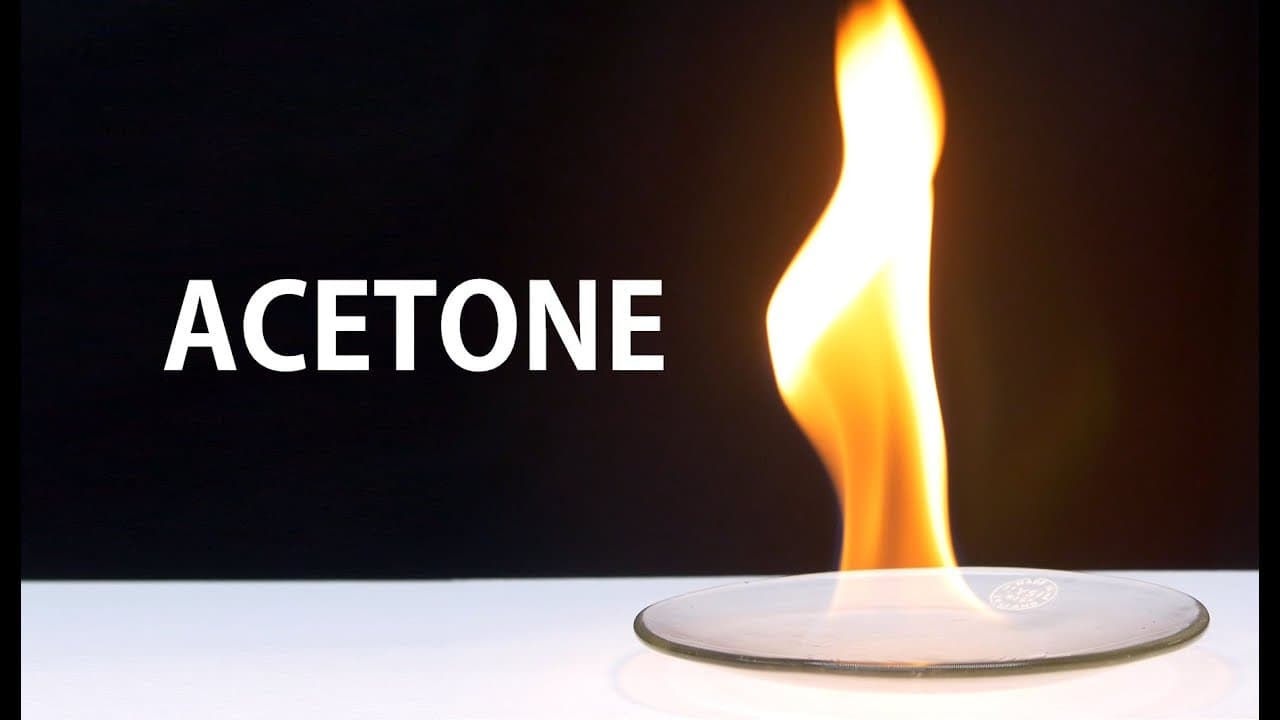
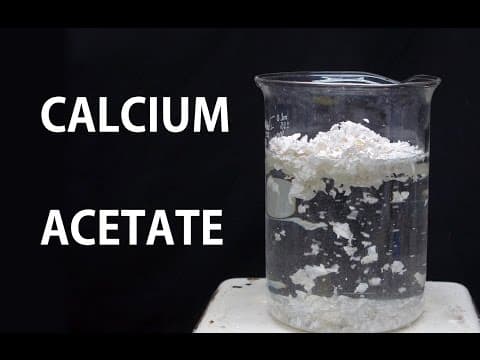
To make acetone from calcium acetate, heat the acetate in a distillation setup so it breaks down into solid calcium carbonate and acetone, which distills off. Starting with 180 g of calcium acetate made from Tums, side reactions turned the distillate yellow and gave it a strange smell, and the later fraction yielded only about a milliliter. A follow-up fractional distillation collecting between 53 and 56°C isolates the acetone. See why the yield ends up so disappointing.
Transcript
today we're going to be making a little bit of acetone using calcium acetate that I made in a previous video the procedure is pretty straightforward and we effectively just need to heat up the calcium acetate and it will eventually break down to form calcium carbonate and acetone this used to be the go-to process to produce acetone but nowadays it'... Read More
Key Insights
- 🎯 The traditional method of producing acetone involves heating calcium acetate, but it is now replaced by the cumine process that targets phenol.
- 💛 The distillation process for obtaining acetone from calcium acetate is complicated by side reactions and impurities, resulting in a yellow color and strange smell.
- ❓ Purifying the acetone through fractional distillation can improve its purity, but additional distillations may be required for specific synthesis purposes.
- 💦 Working with acetone requires caution due to its flammability, and proper ventilation and safety measures are necessary.
Install to Summarize YouTube Videos and Get Transcripts
Explore YouTube Video Summarizer or Get YouTube Transcript Extractor
Questions & Answers
Q: How do you make acetone from calcium acetate?
You heat calcium acetate in a flask set up for distillation, and it breaks down into calcium carbonate, which stays behind as a solid, and acetone, which distills off. In this run 180 g of calcium acetate (made from Tums in a previous video) was added to a 1 L round-bottom flask over a heating mantle with a water condenser. A little water comes over first, followed by the acetone-containing distillate.
Q: What does the dry distillation of calcium acetate produce?
In theory it produces calcium carbonate, which remains as a solid powder in the flask, and acetone, which is distilled off. In practice side reactions also occur, so the distillate came over with a yellow color and a strange smell rather than as clean acetone.
Q: At what temperature is the acetone collected during fractional distillation?
The combined fractions are redistilled, and the acetone is collected between about 53 and 56°C. Since the boiling point of pure acetone is around 56°C, collecting in this range is a good sign you are capturing acetone. A lot of stinky material comes over below 53°C, so that portion is discarded, and the distillation is stopped once the temperature rises above 56°C.
Q: Why is the cumene process preferred over the calcium acetate method for producing acetone?
The calcium acetate method used to be the go-to process but is no longer really used; the cumene process is used instead. Interestingly, the main target of the cumene process is phenol, with acetone produced as a byproduct, whereas heating calcium acetate yields only acetone.
Q: Why does the distillate have a yellow color and a strange smell?
The yellow color and unusual smell come from side reactions during the heating rather than from clean decomposition. The calcium acetate used was made from Tums and likely still contained a lot of organic material, which burned and left carbon ash in the flask instead of the pure white calcium carbonate you would expect.
Q: How much acetone did this process actually yield?
Very little. As the distillation slowed, the distillate turned dark yellow and a lot of white smoke came over, and collecting past that point produced only about a milliliter, which was judged not worth continuing. Overall the run shows the method is largely a waste of time for practical amounts.
Q: What precautions must be taken when working with acetone during the distillation?
The cloudy vapor and smoke that come over are flammable, so you must work in a very well-ventilated area. This flammability was demonstrated by collecting some vapor and lighting it on fire, underscoring the need for proper ventilation and a safe, flame-aware setup.
Q: Can the acetone obtained from this process be used directly in chemical synthesis?
Not without further purification. The crude distillate is a mixture of water, acetone, and side products, so it has to be fractionally distilled to separate the acetone. For synthesis-grade purity, additional distillations may still be required.
Summary & Key Takeaways
-
The process involves heating calcium acetate to break it down into calcium carbonate and acetone.
-
Side reactions and impurities result in a yellow color and a strange smell in the distillate.
-
Fractional distillation is used to further purify the acetone, but multiple distillations may be required for synthesis purposes.
Read in Other Languages (beta)
Share This Summary 📚
Summarize YouTube Videos and Get Video Transcripts with 1-Click
Try YouTube Summary with ChatGPT & Claude or YouTube Transcript Generator
Explore More Summaries from NileRed 📚
Summarize YouTube Videos and Get Video Transcripts with 1-Click
Try YouTube Summary with ChatGPT & Claude or YouTube Transcript Generator