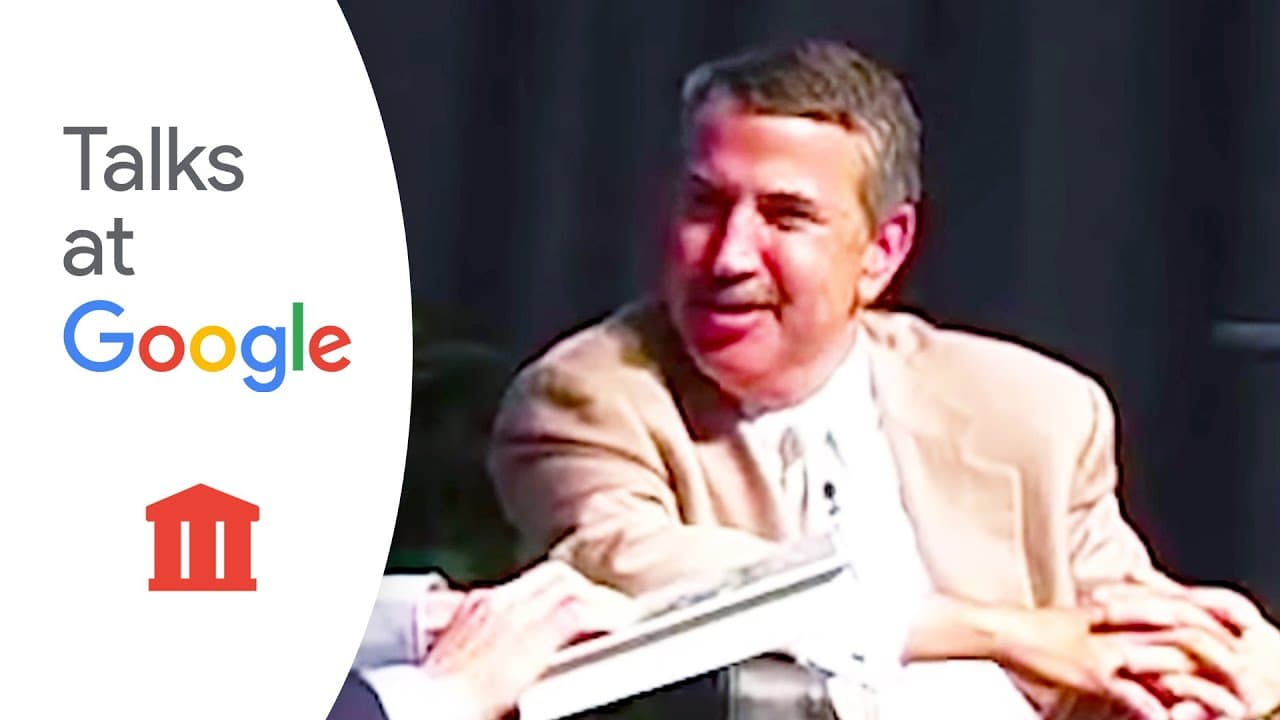
The World is Flat: A Brief History of the 21st Century | Thomas Friedman | Talks at Google
TL;DR
Thomas Friedman argues that “the world is flat” because the global economic playing field is being leveled, allowing work once performed in America to be handled from places such as Bangalore. After 60 hours of interviews over 10 or 11 days, he realized that his framework for understanding globalization was outdated. Read on to see how outsourcing inspired The World Is Flat and why Friedman believed Americans were unprepared.
Transcript
[MUSIC PLAYING] SERGEY BRIN: A special TGIF today. Of course, they're all special. But especially special today because not only do I have our distinguished CEO, Eric, dressed in a suit with a tie and everything. [APPLAUSE] But we also have Tom Friedman dressed in a tie and a suit and the whole kit and caboodle. [APPLAUSE] I assume Tom needs no int... Read More
Key Insights
- 🌍 The flattening of the world is a complex process that brings opportunities and challenges.
- 👶 Education and adaptability are crucial skills in this new world.
- 🖐️ Government plays a significant role in preparing citizens and supporting innovation.
- 💨 The process of flattening affects different countries, industries, and individuals in various ways.
Install to Summarize YouTube Videos and Get Transcripts
Explore YouTube Video Summarizer or Get YouTube Transcript Extractor
Questions & Answers
Q: What does Thomas Friedman mean when he says “the world is flat”?
Friedman means that the global economic playing field is being leveled. He adopted the metaphor after Infosys leader Nandan Nilekani told him that this leveling was happening and that Americans were not ready.
Q: What inspired Thomas Friedman to write The World Is Flat?
The book emerged from Friedman's trip to Bangalore for a Discovery Channel documentary about outsourcing. During interviews there, he realized that something major had changed in globalization while he had been covering the 9/11 war.
Q: What examples of outsourcing did Friedman encounter in Bangalore?
Friedman met Indian entrepreneurs who wanted to prepare his taxes, write his software, read his X-rays, and trace lost Delta Airlines luggage from Bangalore. Together, these examples convinced him that the globalization story had changed significantly.
Q: Who gave Friedman the idea that the global playing field was being leveled?
Nandan Nilekani, the head of Infosys, told Friedman that the global economic playing field was being leveled. Friedman wrote the phrase in his notebook and reflected on it during the bus ride back to his hotel.
Q: How did the title The World Is Flat originate?
On the ride from Infosys to his hotel, Friedman connected Nilekani's description of a leveled playing field with the idea of flattening. He then concluded that “the world was flat” and called his wife from the hotel to announce the book title.
Q: Why did Friedman travel to Bangalore?
Friedman and the Discovery Channel decided to make a documentary called The Other Side of Outsourcing after outsourcing became a prominent issue. They went to Bangalore to examine it from the ground up.
Q: How much research did Friedman conduct during the Bangalore trip?
Friedman and his team conducted about 60 hours of interviews over 10 or 11 days in Bangalore. As those interviews progressed, he became increasingly convinced that he had missed a major shift in globalization.
Q: Why did Friedman take leave from The New York Times?
Friedman believed his analytical framework for understanding the world and foreign affairs was out of date. He told the newspaper's publisher and editorial-page editor Gail Collins that he needed immediate leave to update it before he wrote something seriously mistaken.
Summary & Key Takeaways
-
The world is going through a process of flattening, where technology and globalization are connecting people and creating a level playing field.
-
The process started with the fall of the Berlin Wall and the rise of the internet, which allowed for global collaboration and innovation.
-
The book "The World is Flat" explores the ten forces that have contributed to this flattening, including connectivity, outsourcing, and open sourcing.
Read in Other Languages (beta)
Share This Summary 📚
Summarize YouTube Videos and Get Video Transcripts with 1-Click
Try YouTube Summary with ChatGPT & Claude or YouTube Transcript Generator
Explore More Summaries from Talks at Google 📚

Summarize YouTube Videos and Get Video Transcripts with 1-Click
Try YouTube Summary with ChatGPT & Claude or YouTube Transcript Generator