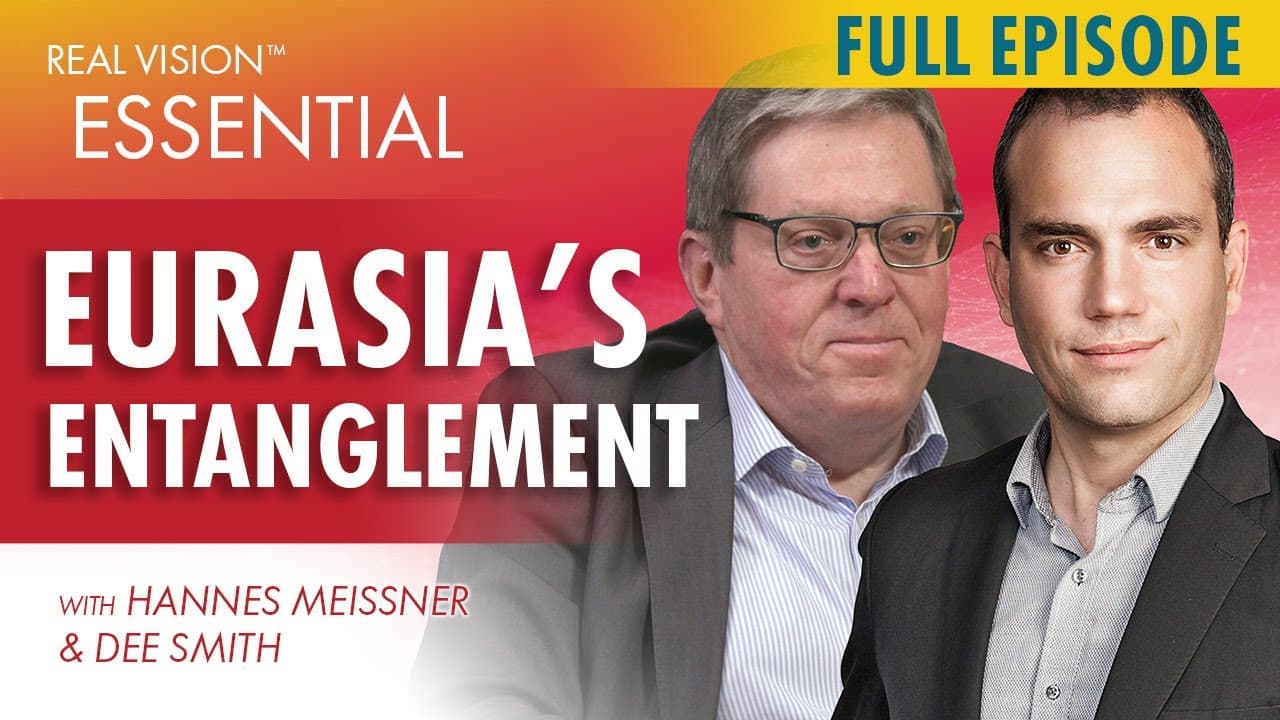
How Is the War in Ukraine Shaping Views on Russia in Europe?
TL;DR
The war in Ukraine has prompted significant changes in public sentiment in Germany and Austria towards Russia, with a growing inclination to support Ukraine and critique Russian aggression. Different factions exist within these countries, reflecting divergent historical perspectives and economic ties to Russia, while Central Asian nations remain apprehensive due to their economic dependence on Russia.
Transcript
hello everyone i'm d smith i'm ceo of strategic insight group and i am speaking today with hannes meisner who is a principal of l m political risk a consulting group based in vienna austria honest it's very good to see you as always very good to see you the um very much looking forward to our discussion today thank you for the invitation absolutely... Read More
Key Insights
- 🇺🇦 The war in Ukraine has caused significant shifts in attitudes towards Russia in Germany and Austria, with support for Ukraine and criticism of Russian actions becoming more prevalent.
- 🇩🇪 The different factions within German society reflect differing economic interests, historical perspectives, and attitudes towards NATO and compromise with Russia.
- 🇭🇺 Central European countries like Poland and Hungary have different historical perspectives towards Russia, with Poland being more critical and Hungary tending to find a middle way.
- 🇰🇿 Central Asian countries like Kazakhstan are highly economically dependent on Russia and nervous about its actions, particularly after Russian intervention in Kazakhstan earlier this year.
- 🥺 The war in Ukraine is seen as a battle of worldviews, with Russia attacking Western values and norms, leading to a growing sentiment of unity and defense of liberal orders in German-speaking Europe.
Install to Summarize YouTube Videos and Get Transcripts
Explore YouTube Video Summarizer or Get YouTube Transcript Extractor
Questions & Answers
Q: What are the different attitudes towards Russia in Germany?
Germany has a range of attitudes towards Russia, with some supporting Ukraine and being critical of Russian actions, while others have economic interests tied to Russia and advocate for a softer approach. There are also factions that are critical of NATO expansion and argue for a compromise with Russia.
Q: How has the war in Ukraine affected attitudes in Germany and Austria?
The war in Ukraine has caused shock and significant shifts in attitudes in Germany and Austria. Previously, there were economic linkages and high dependence on the Russian economy, but the aggression in Ukraine has led to a change in public opinion and a shift towards supporting Ukraine and being critical of Russia.
Q: What are the different factions within German society?
There are factions within German society that have economic interests tied to Russia, such as former Chancellor Gerhard Schroeder. There are also supporters of Russian invasion, as well as those critical of NATO expansion and in favor of finding a compromise with Russia. Additionally, there is a small but vocal peace movement that believes concessions should be made to Russia.
Q: How are attitudes towards Russia in central Europe and Central Asia different?
Central European countries, such as Poland and Hungary, have different historical perspectives towards Russia. Poland has historically been critical of Russia, while Hungary has taken a middle approach. Central Asian countries, like Kazakhstan, are highly economically dependent on Russia and nervous about its actions, particularly after Russian intervention in Kazakhstan earlier this year.
Summary & Key Takeaways
-
The war in Ukraine has caused shock and significant shifts in attitudes in Germany and Austria, with a move towards supporting Ukraine and being critical of Russia.
-
There are different factions within German politics and society, including those with economic interests tied to Russia, those supporting Russian invasion, and those critical of NATO expansion and favoring a compromise with Russia.
-
Central European countries, such as Poland and Hungary, have different historical perspectives and approaches towards Russia, with Poland being more critical and Hungary tending to find a middle way.
-
Central Asian countries, like Kazakhstan, are highly economically dependent on Russia and nervous about its actions, particularly after Russian intervention in Kazakhstan earlier this year.
Read in Other Languages (beta)
Share This Summary 📚
Summarize YouTube Videos and Get Video Transcripts with 1-Click
Try YouTube Summary with ChatGPT & Claude or YouTube Transcript Generator
Explore More Summaries from Real Vision 📚

Summarize YouTube Videos and Get Video Transcripts with 1-Click
Try YouTube Summary with ChatGPT & Claude or YouTube Transcript Generator