How to Be Kinder to Ourselves
TL;DR
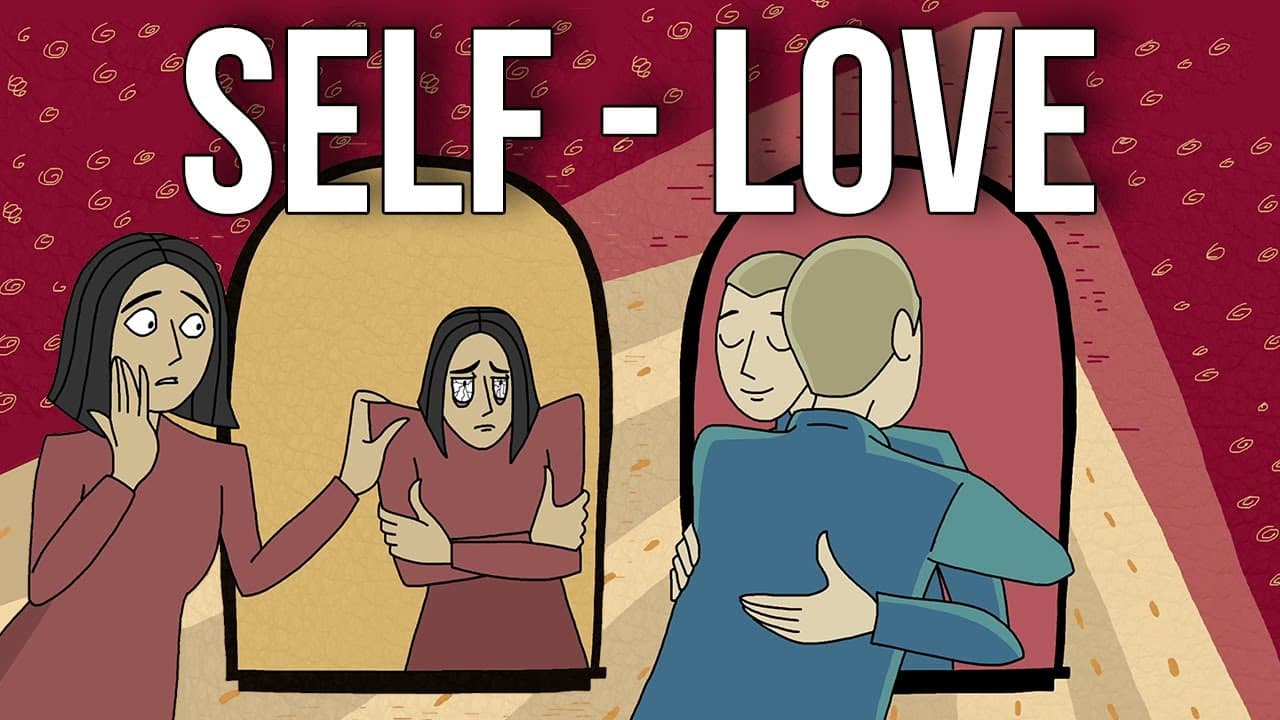
Self-compassion is essential for overcoming self-hatred and enhancing mental health.
Transcript
if there is one generalization we can hazard of those who end up mentally unwell we could say that they are masters at being very nasty to themselves without noticing they are even being so release from the grip of self-loathing therefore has to start with a growing awareness of what we are doing to ourselves and what the alternatives might be for ... Read More
Key Insights
- 🤳 Self-loathing often stems from early negative experiences with others, manifesting as a harsh internal dialogue.
- 🤳 Maintaining a vigilant awareness of harmful thoughts is essential for cultivating self-compassion and reducing self-hatred.
- 🧑🏭 Acts of kindness towards oneself can significantly enhance emotional well-being and overall happiness.
- 🖤 Individuals frequently mistake anxiety about the future as a lack of worthiness, emphasizing the need for self-acceptance.
- 👶 Developing a new moral code centered on kindness can transform one’s relationship with themselves.
- 🥹 Practicing self-compassion might involve daily rituals like gratitude journaling or engaging in creative activities.
- 🤳 Mental health struggles do not solely arise from external circumstances but are often exacerbated by internal narratives of self-derision.
Install to Summarize YouTube Videos and Get Transcripts
Explore YouTube Video Summarizer or Get YouTube Transcript Extractor
Questions & Answers
Q: What role does awareness play in combating self-hatred?
Awareness is the first step in healing from self-hatred; it involves recognizing the patterns and triggers that lead to negative thoughts about oneself. By becoming conscious of these destructive processes, individuals can begin to address and change their self-perception, replacing it with more compassionate and forgiving thoughts.
Q: How can we practice self-compassion in everyday life?
Practicing self-compassion can include several techniques, such as mindfulness meditation, journaling about positive experiences, or simply reframing negative self-talk into supportive statements. Engaging in activities that bring joy, like hobbies or spending time with loved ones, can also foster a kinder mindset and diminish self-critical tendencies.
Q: What impact does past treatment by others have on self-love?
The way individuals are treated by others during formative years significantly influences their self-esteem and self-worth. If they were subjected to criticism, neglect, or favoritism, they might internalize these messages, leading to feelings of unworthiness and a tendency to perpetuate that negativity towards themselves, forming a cycle of self-hatred.
Q: Why is it important to challenge negative thoughts?
Challenging negative thoughts is vital for mental health because unchecked, they can lead to severe emotional distress and self-destructive behaviors. By confronting these thoughts and questioning their validity, individuals can interrupt the cycle of negativity, foster resilience, and cultivate a healthier, more positive self-image.
Summary & Key Takeaways
-
Individuals often struggle with self-hatred, which manifests as excessive self-criticism and negative thoughts that can diminish feelings of joy and contentment in life.
-
The roots of this unkindness can stem from past experiences where an individual internalizes the negative treatment from others, leading to a pattern of self-loathing.
-
To reverse this cycle, self-awareness and kindness toward oneself are crucial; practicing self-compassion and challenging negative thoughts can promote mental well-being.
Read in Other Languages (beta)
Share This Summary 📚
Summarize YouTube Videos and Get Video Transcripts with 1-Click
Try YouTube Summary with ChatGPT & Claude or YouTube Transcript Generator