How Human Connection Can Counter Loneliness
TL;DR
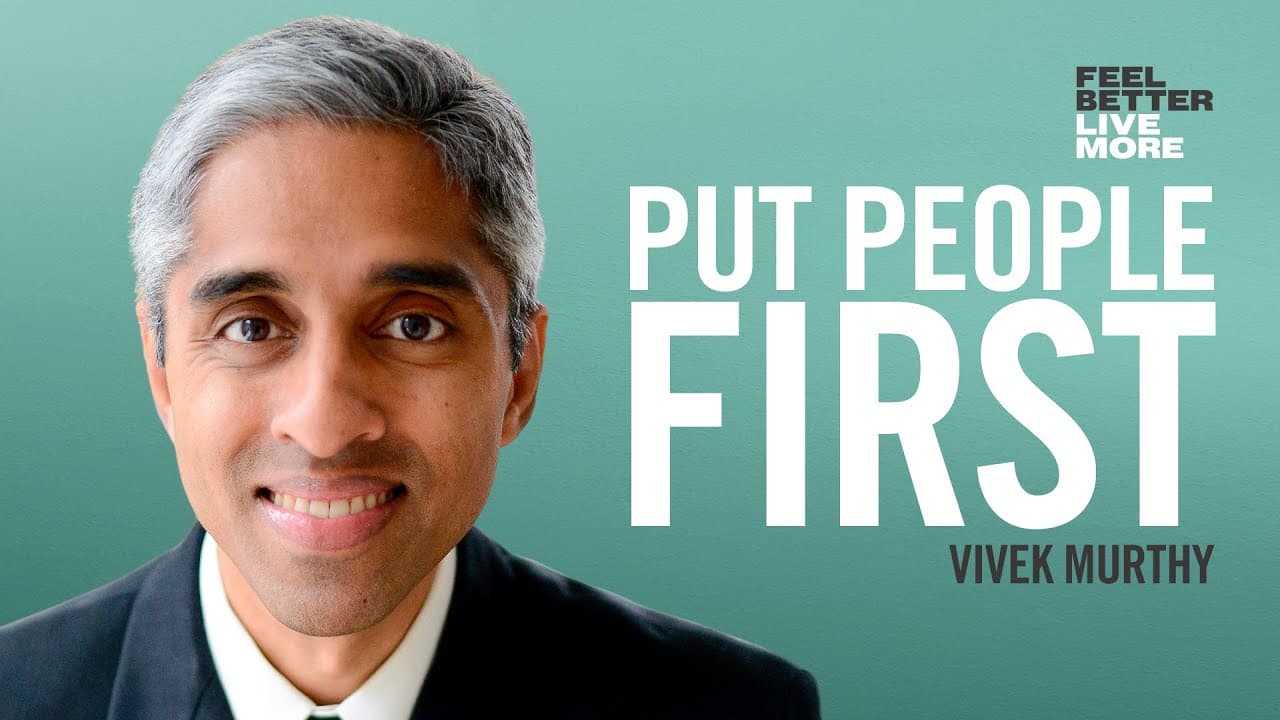
Human connection can help counter loneliness, a condition linked in the conversation to irritability, anger, depression, disturbed sleep, anxiety, addiction, and obesity. Vivek Murthy argues that the pandemic could become a turning point if people respond to enforced separation by rebuilding relationships, putting people first, and creating lives and communities centered more deliberately on human connection.
Transcript
if we come out of this pandemic with a greater commitment to leading a people centered life and to building a people center the world and we will have taken an extraordinarily difficult moment and put ourselves on the path of creating better lives and a stronger world so Peck welcome to see the podcast thanks Brendon it's great to be here with you ... Read More
Key Insights
- Loneliness is presented as a common thread running through numerous social and health problems and affecting people of all ages. Murthy’s focus emerged from recognizing this recurring pattern while serving in public office and reflecting on his experience as a physician.
- Loneliness can manifest through irritability, anger, depression, and disturbed sleep. The conversation also connects inadequate social bonds with anxiety, addiction, and obesity, framing human connection as an important part of understanding health rather than merely a pleasant addition to life.
- The pandemic intensified an existing loneliness problem by increasing isolation and restricting ordinary contact. Murthy and the interviewer describe the danger as a social recession occurring alongside an economic recession, with lockdown making an already chronic problem more severe.
- Human separation can potentially produce a social revival if people use the experience to reconsider their priorities. Murthy argues that recognizing how much family, friends, and even strangers have been missed could motivate stronger and more intentional relationships afterward.
- A people-centered life requires a deliberate commitment to relationships and community. Murthy suggests that emerging from the pandemic with this commitment could transform an extraordinarily difficult period into a path toward better individual lives and a stronger world.
- Frontline experience is valuable in healthcare policymaking because doctors, nurses, and patients understand how care is actually delivered. Murthy entered advocacy after observing that very few participants in a high-level policy discussion had direct experience working within healthcare.
- The Surgeon General’s central responsibility is fidelity to science and the public interest, including independence from the president who makes the appointment. Murthy was drawn to the role because it focused on public engagement rather than primarily crafting and passing legislation.
- Authenticity and vulnerability are portrayed as powerful foundations for genuine connection. The discussion links these qualities with the broader task of addressing loneliness, suggesting that meaningful relationships depend on people connecting deeply rather than merely occupying the same physical or social spaces.
Install to Summarize YouTube Videos and Get Transcripts
Explore YouTube Video Summarizer or Get YouTube Transcript Extractor
Questions & Answers
Q: How can human connection help address loneliness?
Human connection addresses loneliness by restoring meaningful relationships with family, friends, communities, and even strangers. Murthy presents connection as relevant to health because loneliness can appear as irritability, anger, depression, and disturbed sleep, while also sitting behind problems such as anxiety, addiction, and obesity. A deliberate commitment to people-centered living can therefore support both individual well-being and a stronger society.
Q: What health problems can be associated with loneliness?
Loneliness can manifest as irritability, anger, depression, and disturbed sleep, according to the discussion. It can also be connected with anxiety, addiction, and obesity. Murthy describes loneliness as a thread running through many modern social and health problems and affecting people across age groups, which makes social connection an important concern for both medicine and public health.
Q: Why did the pandemic make loneliness more serious?
The pandemic increased separation and isolation through lockdown, worsening a loneliness problem that was already chronic. The conversation describes this as a possible social recession alongside the economic recession. Reduced access to ordinary interactions with relatives, friends, and strangers amplified the consequences of loneliness and made the importance of everyday human contact more visible to many people.
Q: Could pandemic separation lead to a social revival?
Pandemic separation could support a social revival if people use it to recognize how deeply they value family, friends, strangers, and everyday relationships. Murthy argues that an extraordinarily difficult moment can become a turning point when people commit to people-centered lives and communities. The hopeful outcome depends on deliberately carrying those priorities forward rather than forgetting them when separation ends.
Q: Why did Vivek Murthy become involved in healthcare policy?
Murthy became involved after attending a meeting connected with presidential healthcare platforms in 2007 or 2008. He noticed that almost nobody present, apart from him and a friend, had direct frontline healthcare experience. Believing that doctors, nurses, and patients needed representation, he began organizing physicians to work with policymakers and help shape healthcare legislation.
Q: How did Vivek Murthy become Surgeon General?
Murthy received an unexpected call from the White House on July 10, 2013, asking whether he wanted to be considered for Surgeon General. He had not pursued the position and had previously declined another possibility of serving in government. The role felt different because it joined medicine, public health, technology, organizing, policy, and direct public engagement under a commitment to science.
Q: What is the role of the US Surgeon General?
The Surgeon General is appointed by the president but is expected to act independently, with fidelity to science and the public interest. Murthy describes the role as engaging directly with citizens, giving them information for decisions affecting themselves and their families, elevating important national health issues, producing Surgeon General reports, and developing creative campaigns to advance public health causes.
Q: Why are authenticity and vulnerability important for connection?
Authenticity and vulnerability make deeper human connection possible because they allow people to relate in an honest and meaningful way. The conversation treats both qualities as powerful, not as weaknesses, and places them within a wider discussion of loneliness. Genuine openness can help relationships move beyond superficial contact and support the people-centered life Murthy believes individuals and communities should build.
Summary & Key Takeaways
-
Vivek Murthy describes an unplanned journey from practicing and teaching medicine to healthcare advocacy and public service. After recognizing that frontline healthcare voices were largely absent from policy discussions, he helped organize physicians from all 50 states to contribute to work surrounding the Affordable Care Act.
-
A White House call on July 10, 2013 invited Murthy to be considered for Surgeon General. He valued the role because its responsibility was to science and the public interest, while its work included engaging directly with citizens, elevating important health issues, producing reports, and creating public campaigns.
-
Murthy identifies loneliness as a thread connecting many social and health problems across age groups. Although pandemic lockdowns intensified isolation and risked a social recession, he presents a hopeful alternative: separation might clarify the value of family, friends, strangers, authenticity, and vulnerability, inspiring a people-centered social revival.
Read in Other Languages (beta)
Share This Summary 📚
Summarize YouTube Videos and Get Video Transcripts with 1-Click
Try YouTube Summary with ChatGPT & Claude or YouTube Transcript Generator
Explore More Summaries from Dr Rangan Chatterjee 📚

Summarize YouTube Videos and Get Video Transcripts with 1-Click
Try YouTube Summary with ChatGPT & Claude or YouTube Transcript Generator