What Do Monsters Teach Us About Humanity and Society?
TL;DR
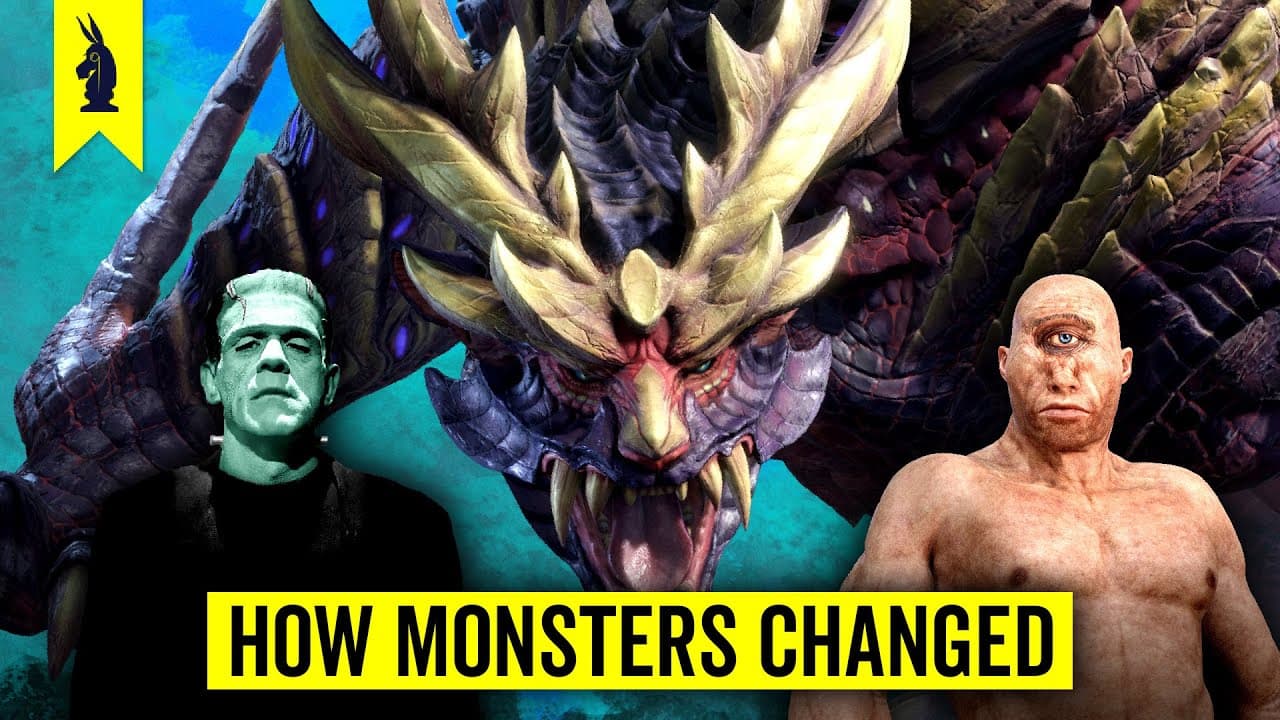
Monsters serve as powerful allegories that help us understand our fears and societal issues. Throughout history, myths about monsters—from ancient Greek legends to Japanese yokai—have provided frameworks for exploring the unknown, influencing perspectives on science and morality. Today, games like Monster Hunter Rise reflect these complexities, illustrating how monsters symbolize ecological concerns and cultural narratives.
Transcript
what's up guys michael here it's not every day you get to talk about a topic as broad and as fascinating as monsters small monsters big monsters media monsters named paul who accidentally eat your world-class mac and cheese in the middle of the night but today we're doing just that and full disclosure this is made possible by the very cool people a... Read More
Key Insights
- 😨 Monster myths helped ancient civilizations navigate fears and uncertainties about the natural world, transitioning from folklore to a means of scientific exploration.
- 👹 The evolution of monster narratives underscores their role as cultural touchstones that reflect societal anxieties, morals, and historical contexts.
- 👹 Various monsters across cultures, like the griffin or yokai, showcase the intertwining of myth and reality, often inspired by real-life phenomena, such as fossils or environmental disasters.
- 🤬 Religious perspectives on monsters have evolved, with theologians proposing that they serve as symbols of divine power or lessons in morality rather than mere embodiments of evil.
- 😨 Cultural power dynamics influence the portrayal of monsters, illustrating societal fears surrounding class conflict and environmental exploitation.
- 👹 Modern interpretations of monsters maintain relevance, addressing contemporary issues of ecological degradation and technological advancement.
- 🎮 The video positions games like Monster Hunter Rise as cultural texts that reflect complex human relationships with nature, authority, and civilization, beyond mere entertainment.
Install to Summarize YouTube Videos and Get Transcripts
Explore YouTube Video Summarizer or Get YouTube Transcript Extractor
Questions & Answers
Q: How have ancient cultures used monster myths to explain the unknown?
Ancient cultures relied on monster myths to address fears and uncertainties in their environments. For instance, the Greeks and Romans documented tales from travelers that illustrated the dangers and wonders of their expanding territories. These myths served as early science, providing explanations for natural events and unfamiliar creatures, thereby helping societies make sense of the larger world around them.
Q: What role do monsters play in modern culture?
In contemporary society, monsters continue to serve as metaphors for a variety of issues, such as fears surrounding technology and environmental concerns. Movies and games, including Monster Hunter Rise, embody these themes by creating narrative frameworks where monsters represent deeper societal anxieties, prompting audiences to reflect on their relationship with nature and technology.
Q: How does Monster Hunter Rise incorporate traditional monster themes?
Monster Hunter Rise uses a blend of historical references and modern gameplay to explore themes of ecological respect and the interaction between humanity and nature. Monsters in the game are inspired by cultural folklore, such as Japanese yokai, and serve to illustrate the consequences of human actions, reflecting larger environmental narratives and societal values.
Q: What did theologian Augustine contribute to the understanding of monsters?
Augustine shifted the perception of monsters from being perceived solely as evil beings to symbols reflecting divine power. He argued that such creatures illustrated that God's laws were not confined to human understanding and provided moral lessons, subsequently shaping how people viewed monsters through a more complex theological lens within the context of their faith.
Q: Why did historical beliefs about monsters persist despite evidence to the contrary?
Beliefs in monsters often persisted because they addressed specific cultural fears and societal issues, creating a narrative structure that offered explanations for the unexplainable. For example, ideas about dragons and other strange creatures remained prevalent as they answered fundamental questions about existence and danger in a world that seemed vast and out of control.
Q: How do cultural differences influence perspectives on monsters?
Different cultures shape their monster myths in ways that reflect societal values, history, and fears. For instance, Japanese yokai often have metaphysical connections and moral implications, while Western monsters like Frankenstein's creature symbolize the dangers of scientific ambition. These differences reveal how societies project their collective anxieties onto monster narratives.
Summary & Key Takeaways
-
Monsters have fascinated humans for centuries and serve as allegories that help us understand our fears, desires, and societal issues, evolving in meaning through various cultures and time periods.
-
Ancient myths about monsters, from Greek legends to Japanese yokai, have provided frameworks for understanding unknown aspects of the world and have influenced historical perspectives on science, religion, and morality.
-
The video discusses how modern media, like Monster Hunter Rise, reflects these deeper meanings of monsters, framing them not just as threats but as complex symbols of ecological concerns and cultural narratives.
Read in Other Languages (beta)
Share This Summary 📚
Summarize YouTube Videos and Get Video Transcripts with 1-Click
Try YouTube Summary with ChatGPT & Claude or YouTube Transcript Generator