How Is NASA Uncovering the Secrets of Asteroids?
TL;DR
NASA studies asteroids because they preserve leftover building-block material from the solar system’s formation about 4.6 billion years ago. Meteorites and missions such as Osiris Rex reveal differences among stony, iron, and carbonaceous materials, while asteroid shapes range from cratered bodies to loosely consolidated rubble piles. These findings may illuminate how planets formed and how Earth received most of its water. Read on for the specific evidence and examples.
Transcript
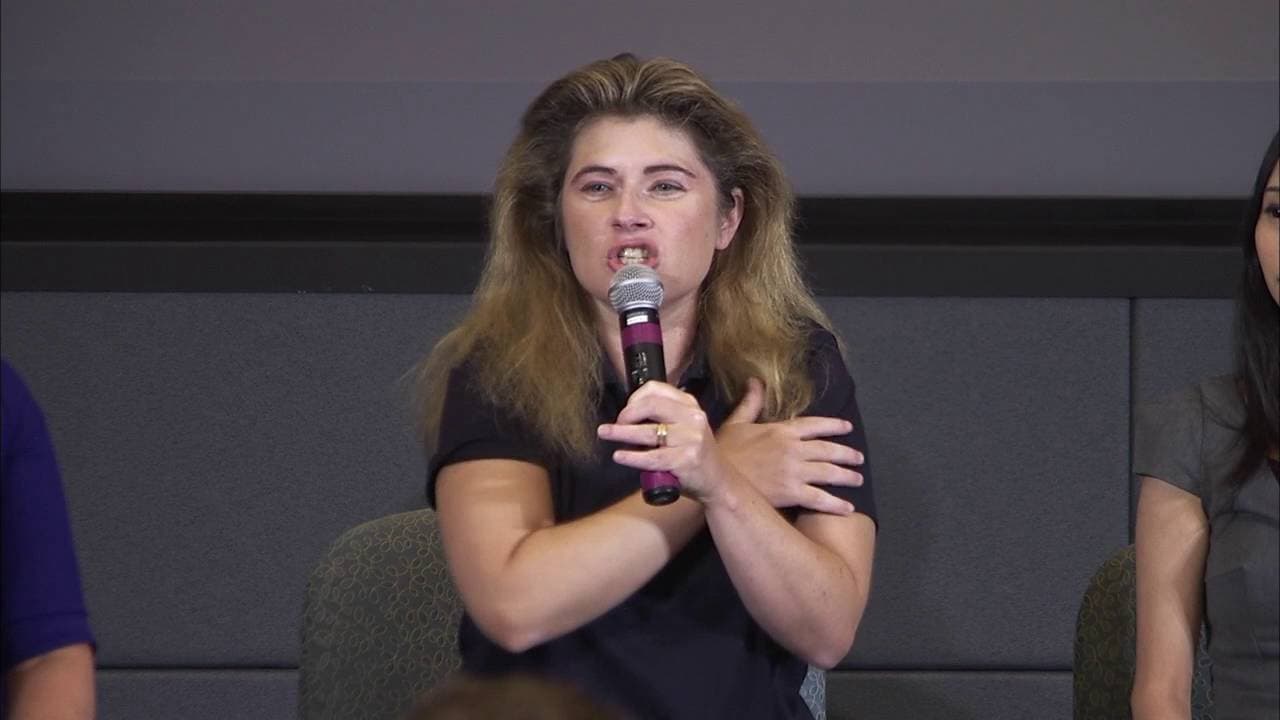
good afternoon we're live here at Kennedy Space Center I'm Felicia Chow public affairs officer and got exciting panel for you today we're going to be talking about how asteroids relate to the origins of our solar system our search for life and what NASA is doing now I'm sure um there might be some overlap in what you've already heard before but I'm... Read More
Key Insights
- 💁 Asteroids offer valuable insights into the formation and evolution of the solar system.
- 🛟 Studying asteroid composition helps us understand the origin of life on Earth and the potential for life on other planets.
- 🖐️ The Sun plays a crucial role in shaping the solar system and influencing the trajectory of asteroids.
Install to Summarize YouTube Videos and Get Transcripts
Explore YouTube Video Summarizer or Get YouTube Transcript Extractor
Questions & Answers
Q: Why does NASA study asteroids?
NASA studies asteroids because they contain material left over from the formation of the solar system. Examining that material can help reveal the origins of planets, Earth, and life itself.
Q: How do asteroids relate to the origin of the solar system?
About 4.6 billion years ago, gas and dust collapsed to form the Sun and a rotating protoplanetary disc around it. Colliding grains and clumps in that disc formed planets, while material not swept into planets remained as asteroids and comets.
Q: What will NASA’s Osiris Rex mission investigate?
Osiris Rex is going to the asteroid Benu to obtain information about its material. NASA expects that information to help illuminate the origins of Earth and life.
Q: What materials are found in asteroids and meteorites?
Meteorite collections show that these materials are not all the same. The transcript identifies stony meteorites, irons, and carbonaceous chondrites like Benu.
Q: What does the asteroid Ida look like?
Ida is a stony asteroid about 59 km across with a cratered surface and a potato-like shape. It also has its own moon, called Dactyl.
Q: Why is the asteroid Itokawa described as a rubble pile?
Itokawa consists of very loosely consolidated material, giving it a different appearance from Ida. Its formation and development over time are therefore especially interesting to researchers.
Q: What is unusual about Itokawa’s shape?
Itokawa has a shape sometimes described as a contact binary. It looks as though two large pieces of material came together, and its appearance is reminiscent of the comet studied by the Rosetta mission.
Q: Did asteroids bring water to Earth?
Scientists once thought that comets brought much of Earth’s water. The panel says evidence developed over time now suggests that most of Earth’s water was actually brought here by asteroids, which is one reason NASA studies them.
Summary & Key Takeaways
-
Asteroids are fundamental building blocks of the solar system, providing valuable information about the origins and formation of planets and the Earth.
-
Studying asteroid composition helps us understand the different types of materials in the solar system and their role in the formation of life.
-
NASA is actively involved in tracking and studying asteroids to enhance our knowledge of the solar system and potential hazards they pose to Earth.
Read in Other Languages (beta)
Share This Summary 📚
Summarize YouTube Videos and Get Video Transcripts with 1-Click
Try YouTube Summary with ChatGPT & Claude or YouTube Transcript Generator
Explore More Summaries from NASA 📚

Summarize YouTube Videos and Get Video Transcripts with 1-Click
Try YouTube Summary with ChatGPT & Claude or YouTube Transcript Generator