Fukushima Is Releasing Its Nuclear Wastewater
TL;DR
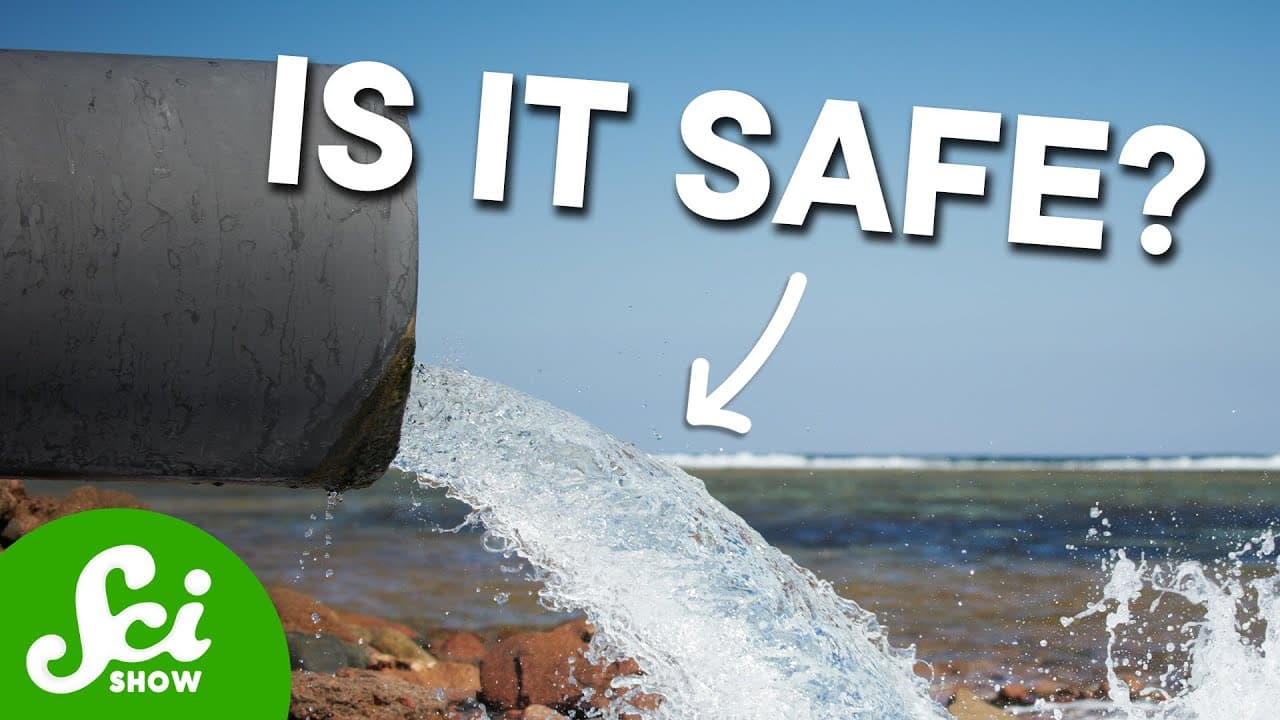
After the Fukushima nuclear disaster, contaminated water became a major issue. Japan started releasing treated water into the ocean, which has been found to have low levels of radionuclides. However, concerns about the safety of marine life persist.
Transcript
This SciShow video is supported by Ground News, a website and app that lets you compare how major events are being covered so you can see more sides of more stories. You can go to ground.news/scishow or click the link in the description to get 30% off the Vantage level subscription. In 2011, a catastrophic earthquake hit Japan and damaged the F... Read More
Key Insights
- 💦 Fukushima's nuclear disaster resulted in significant radioactive contamination of water.
- 🌊 Japan released treated water into the ocean, which has been found to have low levels of radionuclides.
- 🛟 Concerns about the impact on marine life and the safety of seafood imports persist.
- 🛄 The treatment process aimed to remove dangerous radionuclides, with tritium being the contaminant of least concern.
- 🌱 The future plan is to seal off the damaged units, let radionuclides decay, and eventually demolish the remains of the Fukushima plant.
Install to Summarize YouTube Videos and Get Transcripts
Explore YouTube Video Summarizer or Get YouTube Transcript Extractor
Questions & Answers
Q: How did the Fukushima nuclear power plant handle the issue of contaminated water?
The plant was initially flooded by the tsunami, which damaged the backup generators and led to the meltdown. They released less contaminated water into the ocean to create storage space for more dangerous waste.
Q: Was the released water from the Fukushima plant safe?
According to international assessments, the treated water met accepted limits of contamination. However, some countries still have concerns about the impact on marine life.
Q: How did Japan treat the contaminated water from Fukushima?
Japan used the Advanced Liquid Processing System to capture radionuclides in a filter, allowing only water and tritium to pass through. Tritium is a naturally occurring form of hydrogen and is not considered highly dangerous in small quantities.
Q: What are the future plans for the Fukushima plant?
The damaged units of the plant will be sealed off for another decade or two to allow further decay of radionuclides. Eventually, the remains will be demolished.
Summary & Key Takeaways
-
The Fukushima nuclear power plant experienced a meltdown after an earthquake and tsunami in 2011, leading to the release of radioactive water.
-
Authorities decided to release less contaminated water into the ocean to make space for more dangerous waste.
-
The treated water from the plant has been tested and found to have minimal radionuclides, but concerns about its impact on marine life remain.
Read in Other Languages (beta)
Share This Summary 📚
Summarize YouTube Videos and Get Video Transcripts with 1-Click
Try YouTube Summary with ChatGPT & Claude or YouTube Transcript Generator
Explore More Summaries from SciShow 📚


Summarize YouTube Videos and Get Video Transcripts with 1-Click
Try YouTube Summary with ChatGPT & Claude or YouTube Transcript Generator