Ethan Suplee on Diet Culture: How Did He Learn Moderation?
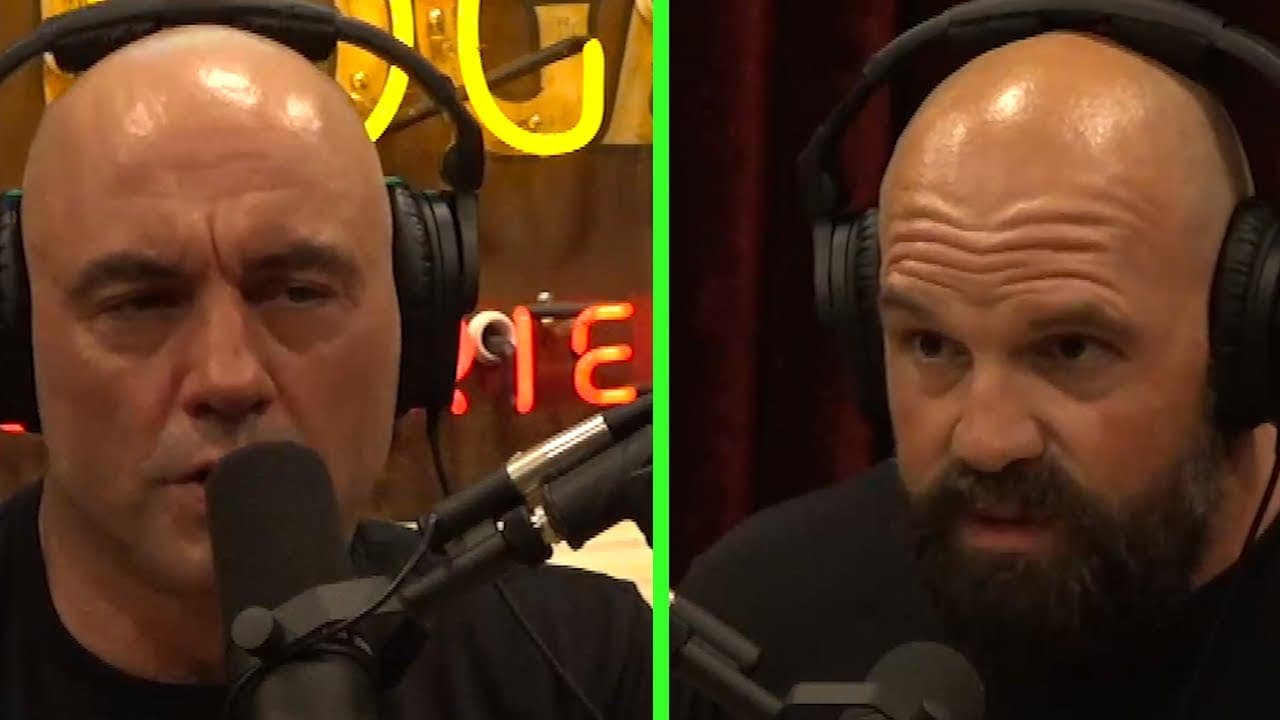
TL;DR
Ethan Suplee learned moderation by rejecting rigid food rules and changing a relationship with food that produced outcomes he did not want. After extreme caloric-deficit dieting, he regained weight rapidly and felt his metabolism, hormones, hunger and lean tissue were affected. A talk by Mike Israetel helped him see that foods can be necessary or harmful depending on amount, so read on for his practical reasoning.
Transcript
the jurogan experience right now it's slightly difficult to talk about weight loss because i've been obese and now i'm not obese and i'm i celebrate not being obese i am much better off with the way i have structured my life because of having lost weight but i can't tell anybody else to do that and i don't even really want to if somebody wants to b... Read More
Key Insights
- "i am much better off with the way i have structured my life because of having lost weight" (0:12)
- "the things that would work on another person just don't work on you you know" (1:02)
- "over long periods you're not just consuming fat you're consuming fat and lean tissue" (3:58)
- "just be moderate that's it just like try to figure out moderation nothing's poisonous nothing's off" (5:12)
- "i just have a bad relationship with food a relationship that is giving me an outcome i don't want" (6:03)
Install to Summarize YouTube Videos and Get Transcripts
Explore YouTube Video Summarizer or Get YouTube Transcript Extractor
Questions & Answers
Q: Why does Ethan Suplee find it difficult to talk about weight loss?
Suplee celebrates no longer being obese and says losing weight improved his life, but he does not want to tell everyone else to make the same choice. He believes people should be allowed to accept different trade-offs and pursue different goals.
Q: How does diet culture affect conversations about weight loss?
Suplee describes a “diet culture monster” that can attack even people whose goals align with losing weight. He argues that a new set of enforced values creates conflict because people do not necessarily want the same things.
Q: Why does biological variability matter when choosing a diet?
The speakers emphasize that an approach that works for one person may not work for another. They apply this biological variability directly to diets and weight-loss methods.
Q: Should someone who has 200 pounds to lose focus on every detail of health?
Suplee questions whether focusing on the minutiae of health is the right immediate goal for someone with 200 pounds to lose. He says a conversation focused specifically on weight loss is not necessarily the same as a broader conversation about health.
Q: What motivated Ethan Suplee to change his life?
For the first time, Suplee began thinking about what he wanted from his future instead of what made him happy in the moment. His relationship with the woman he later married, and the possibility of becoming a husband and father, helped give that future concrete meaning.
Q: What problems did Ethan Suplee associate with extreme caloric-deficit diets?
He says an extreme diet can crash metabolism while the body fights weight loss by slowing processes down. Over long periods, he says the body consumes both fat and lean tissue, hormones are disrupted and the hormone that makes a person hungry rises sharply.
Q: How did Mike Israetel influence Ethan Suplee’s approach to food?
Suplee watched Mike Israetel’s talk, “the dietary landscape of healthy eating,” about four or five years earlier. Its message to practice moderation challenged his belief that carbohydrates, gluten and American bread were inherently harmful.
Q: What does moderation mean in Ethan Suplee’s approach to eating?
Moderation means moving away from the idea that every food is either poisonous or completely safe. Suplee uses salt as an example, saying no salt can be deadly while too much can also be fatal, and he reframes eating as changing a relationship with food that produces an unwanted outcome.
Summary & Key Takeaways
-
The speaker discusses the difficulty of talking about weight loss and emphasizes that personal choices should be respected. However, many people have goals aligned with weight loss.
-
Diet culture has created a new set of values that must be enforced, leading to tension and conflicting opinions.
-
The speaker highlights the importance of recognizing individual biological variability and the need for personalized approaches to weight loss.
Read in Other Languages (beta)
Share This Summary 📚
Summarize YouTube Videos and Get Video Transcripts with 1-Click
Try YouTube Summary with ChatGPT & Claude or YouTube Transcript Generator
Explore More Summaries from PowerfulJRE 📚




Summarize YouTube Videos and Get Video Transcripts with 1-Click
Try YouTube Summary with ChatGPT & Claude or YouTube Transcript Generator