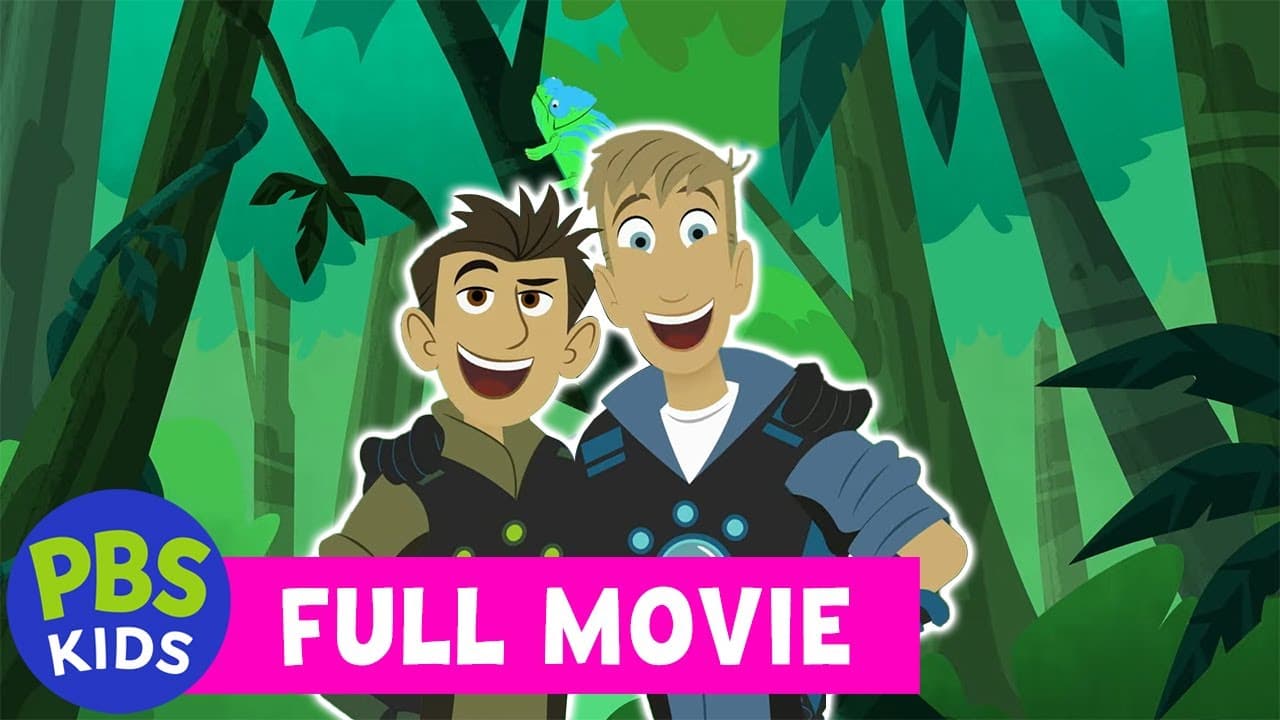
Wild Kratts MOVIE | Wild Kratts: Our Blue and Green World | PBS KIDS
TL;DR
The Wild Kratts brothers learn about the vital role of both oceans and forests in supporting life on Earth.
Transcript
- [Announcer] This episode is made possible in part by Target. (upbeat music) ♪ "Wild Kratts" ♪ Martin: (off screen) In the vastness of space, in the Milky Way galaxy, in a solar system revolving around a sun, there is a planet named Earth. A planet that is known for its blue water (waves crashing) and green forests. It's a living world where plant... Read More
Key Insights
- ♻️ Both blue (oceans) and green (forests) environments are essential for supporting life on Earth.
- 🌊 Oceans regulate climate, provide water, and support diverse marine ecosystems.
- ❓ Forests generate oxygen, filter pollutants, support biodiversity, and regulate temperatures.
- ♻️ Blue whales rely on phytoplankton and krill, supported by green environments, as a food source.
- 💚 Indri lemurs depend on green forests for their habitat and survival.
- ♻️ Collaboration and teamwork between blue and green environments are crucial for maintaining a healthy planet.
Install to Summarize YouTube Videos and Get Transcripts
Explore YouTube Video Summarizer or Get YouTube Transcript Extractor
Questions & Answers
Q: Why are blue (oceans) and green (forests) environments important for life on Earth?
Blue environments, like oceans, provide water, support marine life, regulate climate, and produce oxygen. Green environments, such as forests, produce oxygen, filter pollutants, regulate temperature, provide habitats, and support biodiversity.
Q: How do blue whales and indri lemurs demonstrate the interconnectedness of blue and green environments?
Blue whales depend on the abundance of food provided by green environments, as they feed on krill that thrive on phytoplankton. Indri lemurs rely on the protection of green forests for their survival and habitat.
Q: What are the key advantages of green (forest) and blue (ocean) environments?
Green environments provide oxygen, filter pollutants, regulate temperature, and support a wide range of plant and animal species. Blue environments contribute to climate regulation, support marine life, and provide water resources.
Q: How can individuals contribute to the protection of blue and green environments?
People can contribute to the protection of blue environments by conserving water, reducing pollution, and supporting sustainable fishing practices. They can protect green environments by participating in reforestation efforts, reducing deforestation, and practicing sustainable agriculture.
Summary & Key Takeaways
-
The Kratt brothers explore the importance of both blue (oceans) and green (forests) environments in supporting life on Earth.
-
They encounter various animals, including humpback whales, dolphins, and lemurs, and learn about their unique abilities and adaptations.
-
The brothers realize the need for collaboration and teamwork between blue and green environments to maintain a healthy planet.
Read in Other Languages (beta)
Share This Summary 📚
Summarize YouTube Videos and Get Video Transcripts with 1-Click
Try YouTube Summary with ChatGPT & Claude or YouTube Transcript Generator
Explore More Summaries from PBS KIDS 📚
Summarize YouTube Videos and Get Video Transcripts with 1-Click
Try YouTube Summary with ChatGPT & Claude or YouTube Transcript Generator