Why No One Trusts The News
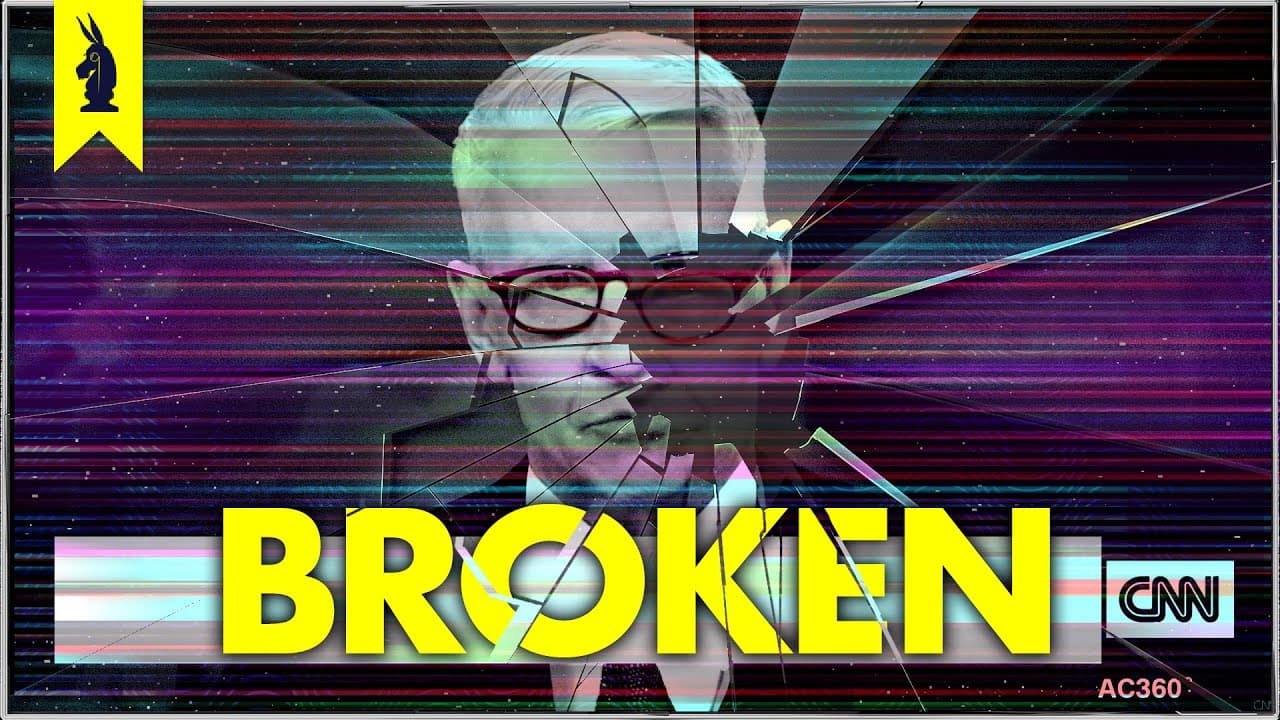
TL;DR
American journalism is in crisis due to government intervention, corporate consolidation, and internet challenges.
Transcript
foreign if any industry has been reduced to a cemetery plot in the popular imagination is journalism today is National milk day a day I'm sure you have been looking forward to celebrating once the inspiration for cinematic Heroes journalists have increasingly become the source of skepticism mockery and hate America has always prided itself on the p... Read More
Key Insights
- 🖐️ Government involvement has historically played a crucial role in supporting journalism, but current deregulation has weakened this support.
- 🥺 Corporate consolidation of media outlets has led to a loss of local news coverage, diminishing diversity and depth in reporting.
- ❓ The advent of the internet has exacerbated problems like sensationalism and the prioritization of opinions over factual reporting in journalism.
- 💇 Investigative journalism has suffered due to cost-cutting measures, leaving communities without vital oversight and accountability mechanisms.
- ✳️ Investigative journalism is essential for a functioning democracy; its decline poses significant risks to political transparency and public trust.
- 💨 Advertising has increasingly influenced media content, resulting in a shift away from public service journalism toward content that caters to wealthy interests.
- 📰 Public trust in journalism has eroded due to perceptions of bias, sensationalism, and the intermingling of advertising and news content.
Install to Summarize YouTube Videos and Get Transcripts
Explore YouTube Video Summarizer or Get YouTube Transcript Extractor
Questions & Answers
Q: How did government policies contribute to the decline of journalism?
Government policies, particularly deregulation initiatives from the Reagan era onward, allowed for media consolidation that favored corporate interests over journalistic independence. This shift decreased diversity in news coverage and led to a reliance on advertising revenue, which shaped reporting to appeal to wealthy audiences and interests, undermining the press's role in democracy.
Q: What impact has corporate consolidation had on local journalism?
Corporate consolidation has significantly harmed local journalism, as many small papers have been absorbed by larger chains that prioritize profits over comprehensive reporting. This has led to a reduction in investigative journalism and local coverage, contributing to a less informed public and diminished oversight on government operations and local issues.
Q: How has the internet changed journalism practices?
The internet has revolutionized journalism by enabling rapid dissemination of information, but it has also prompted a shift toward sensationalism and superficial content to attract clicks, compromising journalistic integrity. This environment has fostered the rise of opinion-based reporting, further polarizing public discourse and eroding trust in traditional news outlets.
Q: What are the consequences of reduced investigative journalism?
The decline in investigative journalism hampers accountability by failing to expose corruption, injustices, and systemic issues that need public attention. With fewer resources allocated to thorough investigations, essential stories about societal problems are often neglected, leading to a less informed citizenry and potential abuse of power by those in authority.
Q: How have advertising practices shaped the current media landscape?
Advertising practices have become increasingly integrated into news content, often resulting in native advertising that blurs the line between journalism and promotional content. As outlets chase funding, many prioritize advertiser interests over public service, which diminishes the quality of news and public trust in media sources.
Q: In what ways has the perception of news media changed among the public?
The perception of news media has shifted dramatically, with many viewing journalism as biased, unreliable, or overly commercialized. This skepticism stems from experiences of sensationalist reporting, clickbait strategies, and a lack of local and investigative coverage, contributing to a more fragmented and polarized information environment.
Q: What historical factors laid the groundwork for the current crisis in journalism?
Historical support for journalism through government subsidies and infrastructure laid a vital foundation for a healthy press. Over time, shifts toward deregulation, commercialization, and corporate ownership have dismantled this support system, resulting in a significant decline in journalistic standards and public accountability.
Summary & Key Takeaways
-
The decline of journalism is linked to a combination of government policies favoring deregulation, which facilitated corporate consolidation, and the growing influence of the internet, which has led to sensationalism over substantial reporting.
-
Historical support for journalism by the government, which provided subsidies and navigated the media landscape, has waned, leading to a decline in original reporting and investigative journalism, especially at the local level.
-
The current media environment is characterized by a focus on clickbait and opinion-driven news from corporate giants, undermining the principles of responsible journalism and diminishing public trust in the media.
Read in Other Languages (beta)
Share This Summary 📚
Summarize YouTube Videos and Get Video Transcripts with 1-Click
Try YouTube Summary with ChatGPT & Claude or YouTube Transcript Generator