What Is Stoic Philosophy and How Can It Change Your Life?
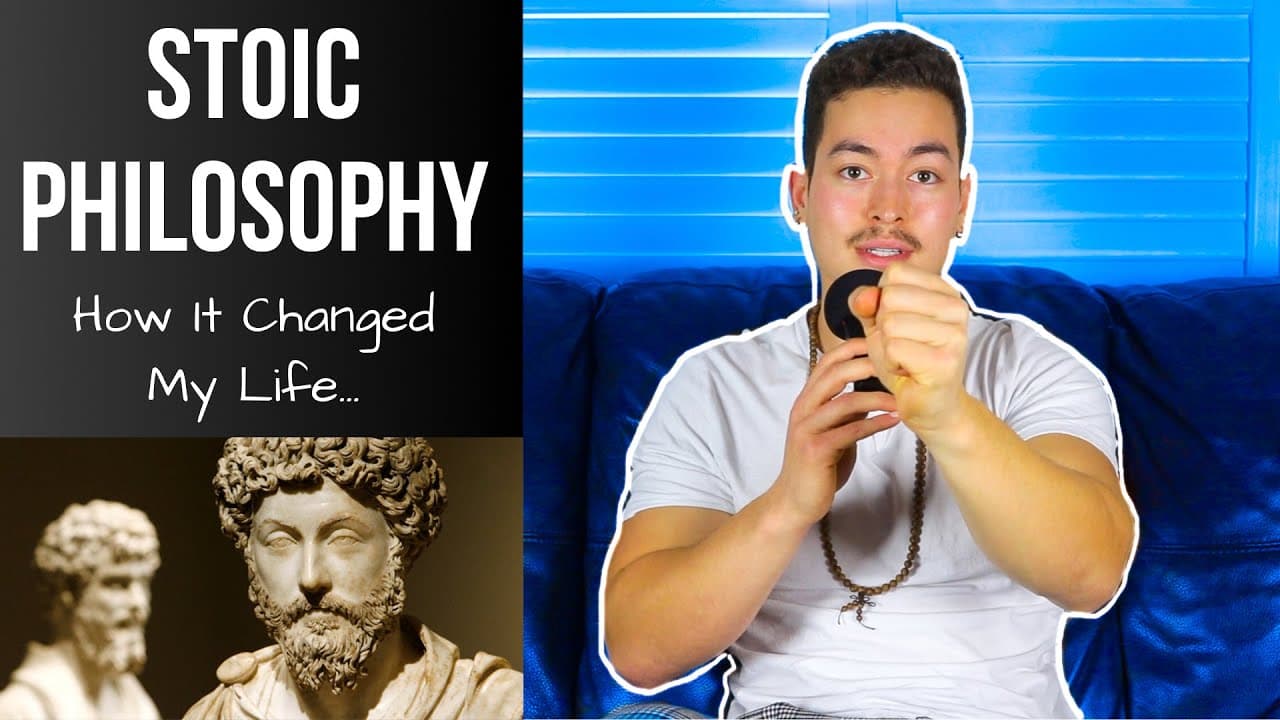
TL;DR
Stoic philosophy encourages emotional detachment from external events to foster inner clarity and stability. By recognizing the transient nature of both highs and lows, individuals can make better decisions and stay true to their core values, leading to greater emotional resilience. Practicing mindfulness and meditation can help integrate stoic principles into daily life.
Transcript
and all right guys what is going on how are you all doing welcome back to another video on the david ham and youtube channel now i have not made a video like this in a few weeks so i guess i apologize for that but you know we just been taking a break just focusing on other things for 2019 and now we're all back strong and we're going to crush 2020 ... Read More
Key Insights
- 🛟 Stoic philosophy teaches the importance of emotional detachment from external situations, promoting a stable inner life amidst life’s uncertainties.
- 😘 A core tenet of stoicism is recognizing the temporary nature of both highs and lows, fostering resilience against life’s inevitable changes.
- 💯 Practicing mindfulness and meditation can develop a stoic mindset by helping individuals return to their core values and beliefs during turbulent times.
- ❓ Emotional stability is a crucial outcome of practicing stoicism, enabling better relationships and decision-making.
- 🛝 Life’s dynamic nature requires a grounded approach to prevent being swayed by transient emotions, enhancing overall well-being.
- 🤳 Stoicism can be easily integrated into daily routines through simple mindfulness practices aimed at self-reflection and emotional awareness.
- 🧑🤝🧑 Understanding the philosophical roots of stoicism, dating back to 300 BC, can deepen one’s appreciation for its relevance in contemporary life.
Install to Summarize YouTube Videos and Get Transcripts
Explore YouTube Video Summarizer or Get YouTube Transcript Extractor
Questions & Answers
Q: What is the main premise of stoic philosophy?
Stoic philosophy centers on the idea of remaining unattached to external circumstances, whether positive or negative. Developed by Zeno around 300 BC, it teaches that life's ebb and flow should not dictate our emotional state, enabling us to maintain a stable and grounded perspective amidst changes.
Q: Why should one avoid getting emotionally attached to high moments in life?
Getting overly attached to high moments can lead to significant emotional lows once those moments fade. Stoicism advocates for recognition of these emotions without attachment, promoting a grounded existence that allows for better decision-making and adherence to one’s core values, rather than being swayed by fleeting pleasures.
Q: How can meditation be related to stoic practices?
Meditation embodies core stoic principles by encouraging individuals to focus on their inner self, acknowledging external distractions or emotions without letting them dictate their state of being. This practice can help cultivate a sense of grounding, allowing one to navigate life’s ups and downs effectively.
Q: What practical steps can one take to implement stoicism daily?
Practicing stoicism can begin with mindfulness, where individuals observe their emotions without judgment. Recognizing external distractions and returning to one’s core value helps to remain focused and grounded. This can include simple meditative practices or reflective journaling to understand and manage emotions effectively.
Q: How does stoic philosophy address challenges and suffering in life?
Stoic philosophy asserts that challenges and suffering are inevitable parts of life. By practicing detachment and focusing on one’s core beliefs and values, individuals can face difficulties without being overwhelmed. This approach enables a more resilient stance towards misfortune and hardship.
Q: How can stoicism improve decision-making?
Stoicism encourages making decisions from a place of calm and groundedness rather than emotional upheaval. By focusing on core values and remaining unattached to external influences, individuals are more likely to make choices that align with their true selves and long-term goals.
Q: Can stoicism help in managing relationships?
Yes, stoicism can significantly enhance the handling of relationships by fostering emotional stability. Understanding that relationships can fluctuate, practicing detachment allows for healthier interactions and prevents emotional volatility, leading to more thoughtful and constructive responses to challenges in relationships.
Q: What is the relationship between stoicism and modern mindfulness practices?
Both stoicism and modern mindfulness share commonalities in promoting awareness of one’s emotions and thoughts without attachment. They advocate for self-reflection and grounding techniques, allowing individuals to navigate life's fluctuations with clarity and poise, regardless of external circumstances.
Summary & Key Takeaways
-
The video introduces stoic philosophy, which emphasizes detachment from external circumstances to maintain inner peace and clarity. Originating around 300 BC, it acts as a guide through life's changes.
-
It explores the benefits of practicing stoicism, arguing that emotional attachments can lead to instability. By staying grounded, one can make better decisions and stay true to their core values.
-
The speaker provides practical advice on integrating stoic principles into everyday life, emphasizing mindfulness, meditation, and a return to core values to navigate both highs and lows effectively.
Read in Other Languages (beta)
Share This Summary 📚
Summarize YouTube Videos and Get Video Transcripts with 1-Click
Try YouTube Summary with ChatGPT & Claude or YouTube Transcript Generator
Explore More Summaries from davidhammond 📚




Summarize YouTube Videos and Get Video Transcripts with 1-Click
Try YouTube Summary with ChatGPT & Claude or YouTube Transcript Generator