Are My Electronics Making Me Sick?
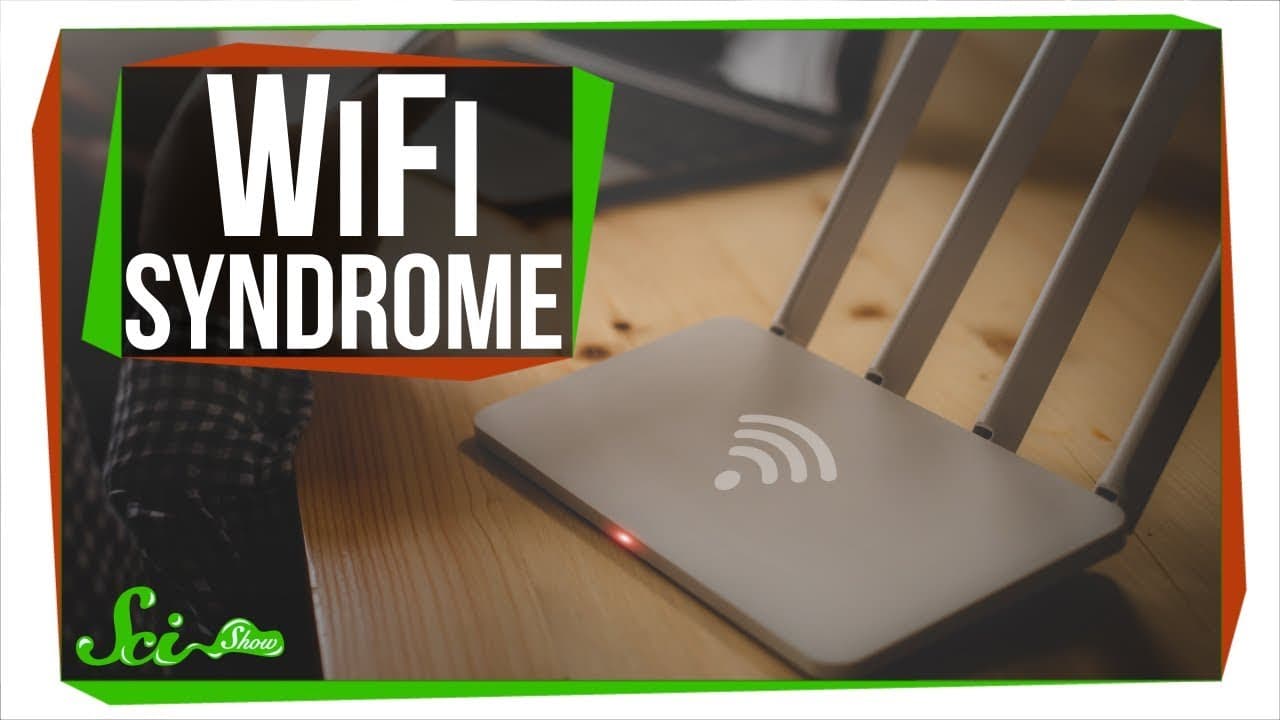
TL;DR
Everyday electronics are unlikely to make you sick through electromagnetic radiation because their non-ionizing waves lack enough energy to change atoms or heat cells. Although an estimated 1–5% of people report nausea, dizziness, itching, headaches, or similar symptoms near devices, controlled studies point instead to possibilities such as the nocebo effect, stress, bright or flickering lights, and uncomfortable furniture. Read on to understand the evidence and practical ways people may find relief.
Transcript
[♩INTRO] If you’re watching this episode of SciShow, you’re definitely near an electronic device. And that’s something that around 1-5% of people would say makes them feel nauseated, dizzy, itchy, and otherwise pretty terrible. They’re convinced they have what some call Wifi Syndrome: that their bodies react strongly to the electromagnetic radiatio... Read More
Key Insights
- 🚱 Non-ionizing radiation from devices like wifi routers does not possess enough energy to cause harm to our bodies.
- 🧑🏭 Symptoms reported by individuals with EHS may be influenced by the nocebo effect, anxiety, or other psychological factors.
- 🙂 Other environmental factors such as flickering screens, bright lights, and uncomfortable furniture may contribute to symptoms experienced by individuals with EHS.
Install to Summarize YouTube Videos and Get Transcripts
Explore YouTube Video Summarizer or Get YouTube Transcript Extractor
Questions & Answers
Q: Are my electronics making me sick?
Everyday electronics are unlikely to cause illness through their electromagnetic radiation. Their non-ionizing radiation does not have enough energy to change atomic structures or heat cells, and there is no conclusive evidence of harmful health effects outside of heating.
Q: Is non-ionizing radiation from Wi-Fi routers harmful to health?
The transcript says Wi-Fi routers do not emit enough radiation to heat cells or change the structure of atoms. Outside of heating from sufficiently intense radiation, there is no conclusive evidence that non-ionizing radiation causes harmful health effects.
Q: What is Electromagnetic Hypersensitivity or Wi-Fi Syndrome?
Electromagnetic Hypersensitivity, or EHS, describes the belief that electromagnetic radiation from routers and other devices triggers physical symptoms. Around 1–5% of people report reactions such as nausea, dizziness, itching, and headaches when near electronics.
Q: Are the symptoms reported by people with EHS real?
Yes, symptoms such as itchy skin, headaches, and nausea are real. However, these symptoms are non-specific, and their actual cause is unclear rather than conclusively linked to electromagnetic radiation.
Q: What have controlled exposure studies found about EHS?
Many studies have failed to trigger EHS symptoms through controlled exposure to non-ionizing radiation. A 2010 review found differences in 13 of 46 studies, but EHS participants were often less accurate at identifying real exposure and reported illness during both real and sham exposures.
Q: Could the nocebo effect explain EHS symptoms?
The nocebo effect may explain some reported symptoms: believing that electronics are harmful can make someone feel sicker. Even participants who did not identify as having EHS sometimes felt ill after being told a radiation source was nearby when it was not.
Q: What other factors may cause symptoms attributed to electronics?
Possible contributors include anxiety, depression, high stress, bright or flickering screens, fluorescent lights, and uncomfortable furniture. Screens and lights can cause headaches, while a slouchy office chair can contribute to muscle cramps.
Q: What may help people recover from EHS symptoms?
A Swedish study found that social support and mental strategies for handling stress helped people recover from EHS. Taking a break from bright lights and stuffy rooms may also address environmental factors that can contribute to discomfort.
Summary & Key Takeaways
-
Some people experience symptoms such as nausea, dizziness, and itchiness when near electronic devices, believing they have Electromagnetic Hypersensitivity (EHS).
-
While these symptoms are real, there is no conclusive evidence linking non-ionizing radiation from devices like wifi routers to harmful health effects.
-
Studies have shown that symptoms experienced by individuals with EHS may be attributed to the nocebo effect, anxiety, stress, or other environmental factors.
Read in Other Languages (beta)
Share This Summary 📚
Summarize YouTube Videos and Get Video Transcripts with 1-Click
Try YouTube Summary with ChatGPT & Claude or YouTube Transcript Generator
Explore More Summaries from SciShow 📚


Summarize YouTube Videos and Get Video Transcripts with 1-Click
Try YouTube Summary with ChatGPT & Claude or YouTube Transcript Generator