“The ultimate challenge might be a steak” | Unconfuse Me with Bill Gates
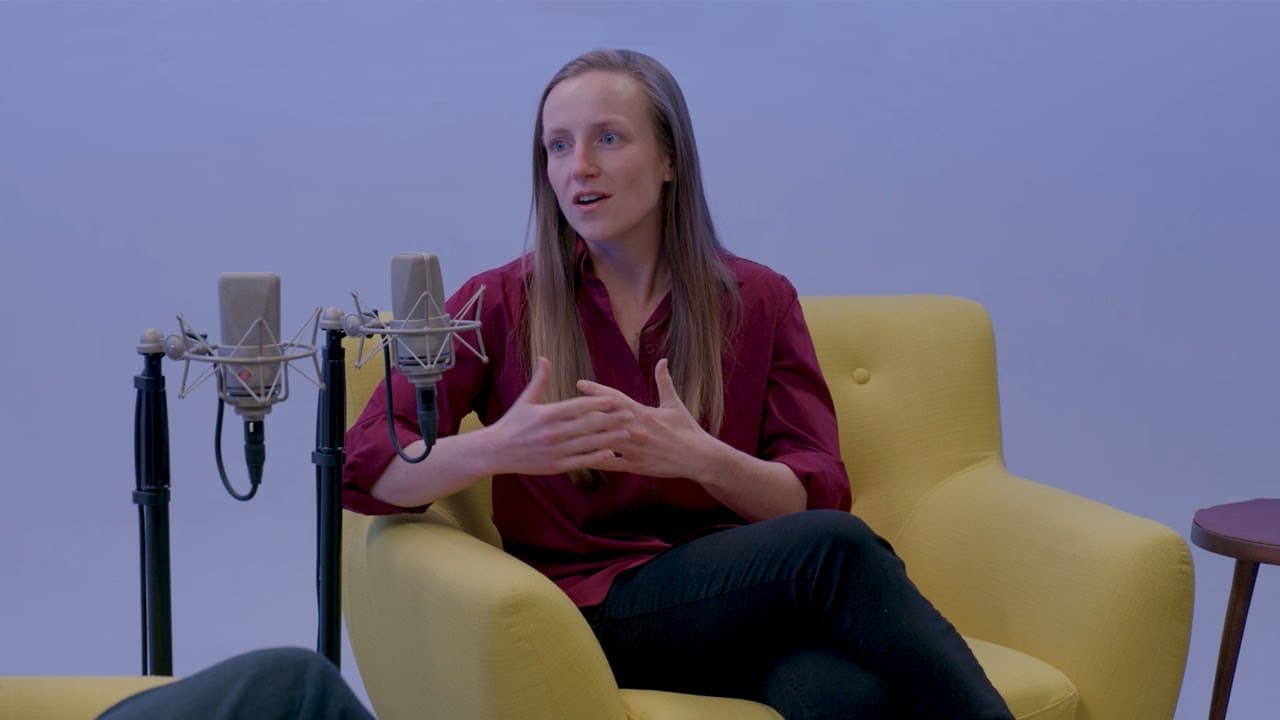
TL;DR
A convincing steak may be the ultimate challenge for meat alternatives, though companies say they may eventually achieve it. Bill Gates says substitutes for sausage and chicken sandwiches can already be hard to distinguish, while ground beef is getting close; fish remains far behind. The discussion also explores AI-assisted climate action, lab-grown meat, cost barriers, methane emissions, and deforestation. Read on for the specific technologies and products discussed.
Transcript
No Transcript Available Read More
Key Insights
- 👻 Content analysis allows for structured categorization and organization of video content.
- 🤩 It assists in identifying patterns, themes, and key elements within a video dataset.
- 🎮 Extracting insights from video content becomes more achievable through content analysis.
- 🎮 Understanding video content is crucial for making informed decisions and drawing conclusions.
- 🎮 Categorizing video content aids in comparing and studying different videos.
- 🎮 Identifying common elements across video content helps in understanding trends and patterns.
- 🎥 Content analysis is applicable to various types of video content, ranging from movies to marketing videos.
Install to Summarize YouTube Videos and Get Transcripts
Explore YouTube Video Summarizer or Get YouTube Transcript Extractor
Questions & Answers
Q: Why might steak be the ultimate challenge for meat alternatives?
Bill Gates says substitutes for sausage and chicken sandwiches can be difficult for him to distinguish, while ground beef is getting close, especially with salt and sauces. He suggests steak may be the ultimate challenge, although some companies say they will be able to achieve it.
Q: How can AI contribute to climate action?
AI can help model complex phenomena, identify patterns in cow genetics, and improve weather modeling. It can also support practical decisions, such as helping a farmer in Africa determine whether to plant after the first rain or wait because dry conditions may follow.
Q: How could AI help reduce methane emissions from cows?
AI can examine cow genetics and identify why some cows emit much more methane than others. Combined with gene editing, that analysis could support efforts to make cows lower-emitting and better able to survive hot weather.
Q: Why might cheaper, good-tasting plant-based meat still struggle to become mainstream?
The guest previously believed people would switch once substitutes became as good as the original and cheaper. He has become more skeptical because some people may resist simply because the product is not meat, even if its taste and price improve.
Q: What three approaches are discussed for addressing emissions from meat?
The discussion identifies three approaches: making cows better, creating substitutes from plant material, and producing cell-based meat without the cow or chicken. Plant-based products still face taste and cost challenges, while the major challenge for cell-based meat is cost.
Q: Which meat substitutes do the speakers prefer?
The vegan guest calls Impossible Burger his ultimate favorite and says it recreated the sensation and taste of a beef burger when he tried it in 2019. Because Impossible Burger was unavailable in the U.K., he identifies Beyond Meat as his favorite option there and praises its taste and texture.
Q: Which alternative foods currently seem most and least convincing?
Bill Gates says sausage appears easier to reproduce convincingly, along with products such as chicken sandwiches. He considers ground beef fairly close and praises a yogurt as fantastic, but says fish substitutes are still far from matching the taste.
Q: How could alternative beef or pork help reduce deforestation?
Bill Gates says producing beef or pork through alternative methods could help with deforestation. His explanation is that conventional animal production involves an entire chain of feeding those animals, so changing how the meat is made could affect that chain.
Summary & Key Takeaways
-
Content analysis assists in categorizing and organizing video content, making it easier to understand and analyze.
-
Through content analysis, key elements and patterns within the video can be identified, aiding in forming a comprehensive understanding.
-
It enables researchers to draw meaningful conclusions and insights from large volumes of video content.
Read in Other Languages (beta)
Share This Summary 📚
Summarize YouTube Videos and Get Video Transcripts with 1-Click
Try YouTube Summary with ChatGPT & Claude or YouTube Transcript Generator
Explore More Summaries from Bill Gates 📚



Summarize YouTube Videos and Get Video Transcripts with 1-Click
Try YouTube Summary with ChatGPT & Claude or YouTube Transcript Generator