Taboos of Science
TL;DR
The video discusses how societal taboos can limit scientific inquiry and exploration, using examples from history and present-day science.
Transcript
It's because the earth revolves around the sun. Natural selection; it's how like species become new species. Well, then it's okay to clone and genetically modify like crops and other animals, so why can't we do people? Scientists really should be taking a better look at the [long beep] What was, what was that? Did I like, did I say something I wasn... Read More
Key Insights
- ❓ Taboos can prevent scientific practices and theories from being studied or discussed.
- 🥺 Ignaz Semmelweis's story illustrates how challenging taboos can lead to ridicule and dismissal.
- 🫵 Society's views on certain scientific practices, such as human cloning and synthetic biology, can limit progress.
- 🧑⚕️ Taboos exist in various scientific disciplines, including biology, genetics, mental health, archaeology, and physics.
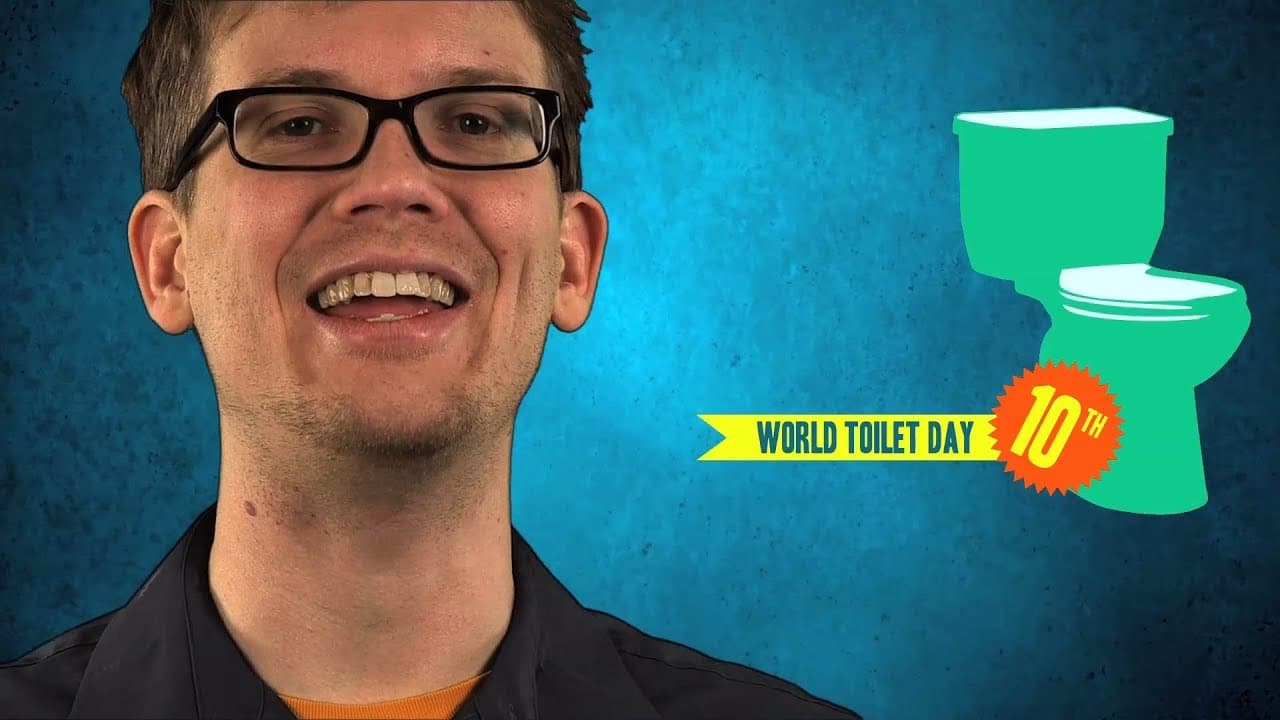
- 🧑⚕️ The "Poo Taboo" highlights how societal discomfort can hinder addressing major public health issues related to sanitation and waste management.
- 🤨 World Toilet Day serves as a platform to address the sanitation crisis and raise awareness about taboo topics.
Install to Summarize YouTube Videos and Get Transcripts
Explore YouTube Video Summarizer or Get YouTube Transcript Extractor
Questions & Answers
Q: What is the Semmelweis Reflex?
The Semmelweis Reflex refers to the tendency to reject new evidence or theories when they contradict established social norms. It is named after Ignaz Semmelweis, who faced rejection and ridicule for suggesting doctors should wash their hands before examining pregnant women and babies.
Q: Why is human cloning considered taboo?
Human cloning is considered taboo due to ethical, religious, and biological concerns. Attempts at animal cloning have resulted in high rates of deformities and health issues, and human cloning would require a large number of donor eggs and surrogate mothers.
Q: What is synthetic biology?
Synthetic biology, also known as extreme genetic engineering, involves changing or creating genetic strains of organisms. It has potential applications in fields such as biofuel production and disease-fighting bacteria. However, there are concerns and calls for regulations regarding the release and commercial use of synthetic organisms.
Q: Are there taboos in other scientific disciplines?
Yes, there are taboos in other scientific disciplines as well. For example, in the field of mental health, topics related to sexuality and gender identity can be considered taboo. Additionally, in physics, it can be taboo to contradict established theories like Einstein's theory of relativity.
Summary & Key Takeaways
-
The video explores how societal taboos can prevent certain scientific practices and theories from being studied or discussed.
-
It discusses the story of Ignaz Semmelweis, who faced ridicule for suggesting doctors should wash their hands before examining pregnant women and babies.
-
It highlights various scientific taboos, such as human cloning and synthetic biology, and how they are viewed by society.
Read in Other Languages (beta)
Share This Summary 📚
Summarize YouTube Videos and Get Video Transcripts with 1-Click
Try YouTube Summary with ChatGPT & Claude or YouTube Transcript Generator
Explore More Summaries from SciShow 📚


Summarize YouTube Videos and Get Video Transcripts with 1-Click
Try YouTube Summary with ChatGPT & Claude or YouTube Transcript Generator