How Do Pets Perceive Human Emotions Differently?
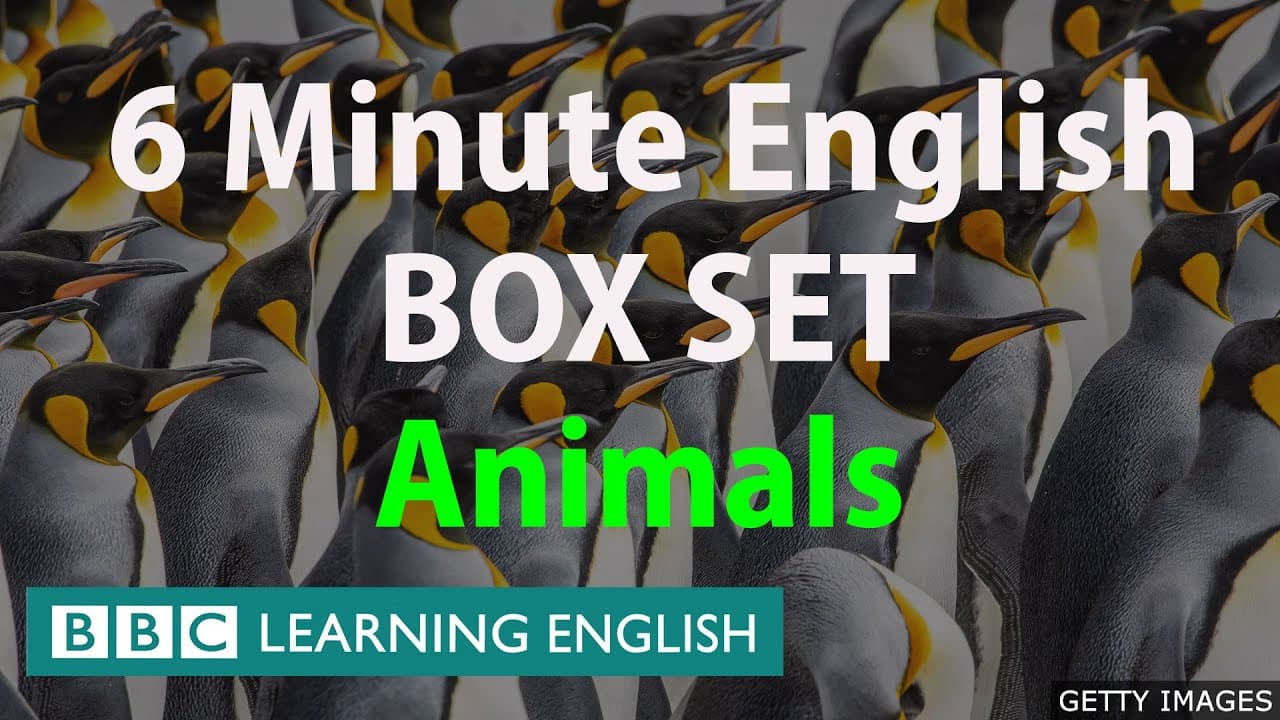
TL;DR
Pets respond to human emotions in distinct ways: dogs display concern when their owners show distress, while cats tend to observe attentively but may appear indifferent. This difference in behavior can be traced back to their evolutionary backgrounds, with dogs being more socially inclined than solitary cats.
Transcript
Hello. This is 6 Minute English from BBC Learning English. I'm Sam. And I'm Neil. Sam, do you remember an old children's television show called 'Lassie'? Yes, I grew up watching the adventures of schoolboy, Timmy, and his pet dog, a collie named Lassie. Whenever Timmy got lost or into trouble, Lassie sensed danger and came to the rescue. If you bel... Read More
Key Insights
- Research suggests pets respond to human emotions differently; dogs show concern while cats pay attention but appear indifferent.
- Octopuses, though different in form, share a large nervous system with vertebrates, indicating intelligence.
- Efforts to save Northern White Rhinos involve creating pure embryos, highlighting the nature vs. nurture debate.
- Rabbits are paradoxical, seen as both pests and beloved pets, with historical spread linked to hunting practices.
- Chimpanzee social structures mirror human politics, with alpha males and coalitions for power.
- Chimpanzees are biologically closer to humans than gorillas, sharing 99% of DNA.
- In politics, both chimps and humans form alliances to consolidate power and share resources.
- The survival of rhino species depends on successful embryo implantation and social learning from remaining rhinos.
Install to Summarize YouTube Videos and Get Transcripts
Explore YouTube Video Summarizer or Get YouTube Transcript Extractor
Questions & Answers
Q: Do pets care about human emotions?
Research indicates that pets like dogs and cats do respond to human emotions, though in different ways. Dogs tend to show concern and investigate when their owners appear distressed, while cats may appear indifferent but actually pay close attention to their owners' emotional states. This suggests a nuanced understanding of human emotions among domesticated animals.
Q: How intelligent is the octopus?
Octopuses are remarkably intelligent creatures, capable of solving complex problems. They have a large nervous system comparable to vertebrates, which is a sign of intelligence. Their ability to change form and adapt to different situations further demonstrates their cognitive abilities, making them one of the most intelligent invertebrates.
Q: What efforts are being made to save the Northern White Rhino?
Conservationists are using artificial breeding techniques to create pure Northern White Rhino embryos. These embryos are preserved until they can be implanted in Southern rhinos. The challenge lies in preserving not only the genetic material but also the social knowledge necessary for the species' survival, highlighting the importance of both nature and nurture.
Q: Why are rabbits considered paradoxical animals?
Rabbits are seen as paradoxical because they embody both wild and tame characteristics. They are often viewed as cute and cuddly pets, yet they can also be considered pests in the wild. This dual nature is reflected in cultural representations, where they are depicted as both tricksters and beloved childhood characters, highlighting their complex role in human society.
Q: How do chimpanzee politics resemble human politics?
Chimpanzee politics closely resemble human politics through the formation of social hierarchies and alliances. In chimp society, the alpha male leads the group, and coalitions are formed to challenge or support leadership. This mirrors human political systems where alliances and power dynamics play crucial roles in governance and social order.
Q: How closely related are chimpanzees to humans?
Chimpanzees share approximately 99% of their DNA with humans, making them our closest living relatives. This close genetic relationship explains the similarities in social behavior, intelligence, and political dynamics observed in both species, underscoring the biological connections between humans and chimps.
Q: What role do alliances play in chimpanzee society?
In chimpanzee society, alliances are crucial for gaining and maintaining power. Weaker males often form coalitions to challenge the alpha male, similar to political alliances in human societies. These coalitions allow chimps to increase their influence and access to resources, demonstrating strategic social behavior comparable to human political maneuvers.
Q: What challenges face the Northern White Rhino conservation efforts?
The main challenges include successfully implanting embryos into surrogate Southern rhinos and ensuring the calves learn essential social behaviors from the last remaining Northern White Rhinos. Preserving both genetic diversity and social knowledge is vital for the species' survival, emphasizing the complex interplay between genetic conservation and behavioral ecology.
Summary & Key Takeaways
-
The episode discusses how pets, particularly dogs and cats, respond to human emotions, with dogs showing concern and cats appearing indifferent but attentive.
-
Octopuses are highlighted for their intelligence, sharing a large nervous system with vertebrates, and their ability to solve complex problems.
-
Efforts to save the Northern White Rhino focus on creating pure embryos, raising questions about the importance of social learning for species survival.
Read in Other Languages (beta)
Share This Summary 📚
Summarize YouTube Videos and Get Video Transcripts with 1-Click
Try YouTube Summary with ChatGPT & Claude or YouTube Transcript Generator
Explore More Summaries from BBC Learning English 📚

Summarize YouTube Videos and Get Video Transcripts with 1-Click
Try YouTube Summary with ChatGPT & Claude or YouTube Transcript Generator