Radar Cross section | Target | Radar Systems | Lec-11
TL;DR
Radar cross section (Sigma) significantly impacts maximum radar range and target detection.
Transcript
hi everyone in this video I am going to explain about radar cross section of the target so what do you mean by radar cross section of the target so radar cross section of the target is indicated by Sigma okay it is the main important factor in the max or radar range equation what is the basic and the standard maximum radar range equation R Max is e... Read More
Key Insights
- 😵 Radar cross section (Sigma) is critical in estimating the maximum radar range and determining target detection capabilities.
- 😵 A target's orientation relative to the radar significantly influences its radar cross section and hence its detectability.
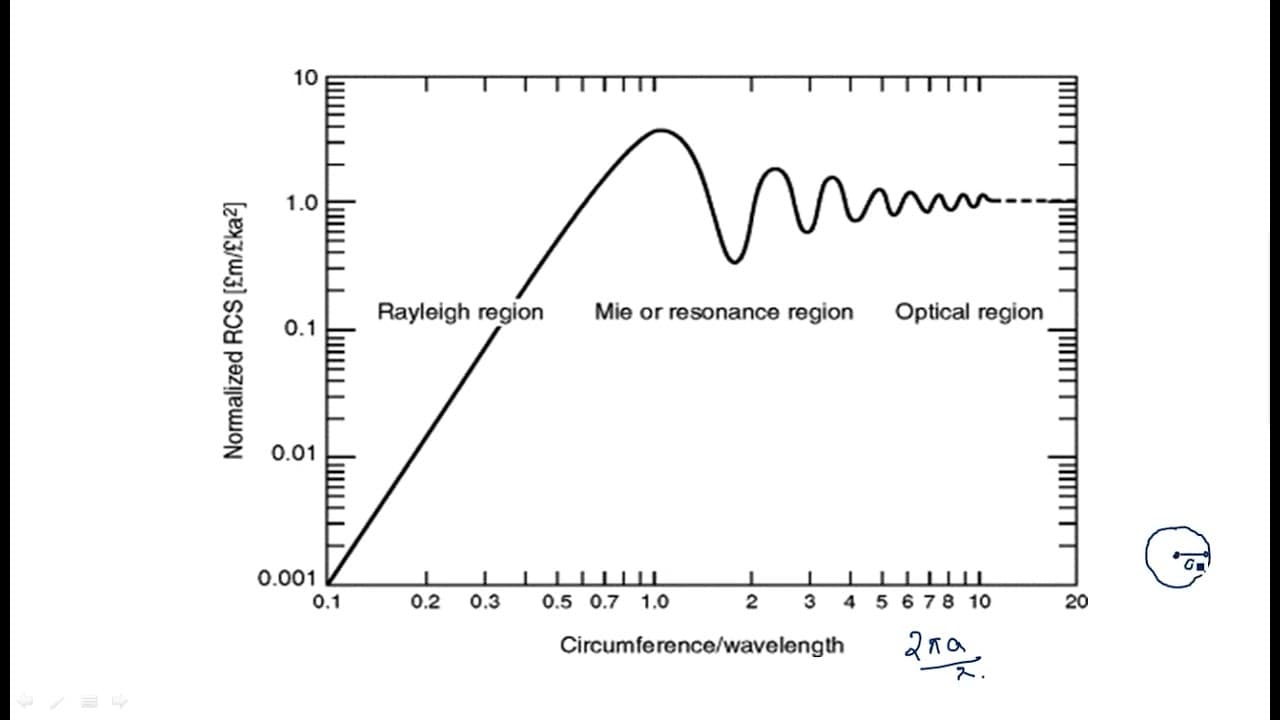
- 😵 The classification of radar cross section into Rally, Meior Resonance, and Optical regions allows radar operators to adjust their detection strategies based on object size.
- 🤩 Understanding the relationship between target size and radar wavelength is key for radar system optimization.
- 😵 Small objects which have a radar cross section less than one are primarily detected in the Rally region.
- 🕵️ Moderate-sized objects with a matching circumference to wavelength are detected in the Meior Resonance region.
- 😵 Large targets with significant radar cross sections are effectively localized within the Optical region, enhancing radar operations.
Install to Summarize YouTube Videos and Get Transcripts
Explore YouTube Video Summarizer or Get YouTube Transcript Extractor
Questions & Answers
Q: What is the significance of the radar cross section (Sigma) in radar technology?
Sigma plays a vital role in the maximum radar range equation, influencing the efficiency and effectiveness of radar in detecting and tracking targets. It measures how much power is reflected back towards the radar from the target, directly impacting radar performance and target visibility.
Q: How does the angle of view affect radar cross section?
The angle at which a radar system views a target can change the value of Sigma. As the target's orientation shifts, the area exposed to the radar changes, resulting in a different cross section measurement. This variation highlights the importance of target orientation in radar detection.
Q: Can radar cross section vary with target size?
Yes, larger targets generally have a larger radar cross section, meaning they reflect more radar energy back to the source. Conversely, smaller targets tend to have a smaller Sigma, leading to more challenges in detection and tracking by radar systems.
Q: What are the three main regions of radar cross section characteristics?
The radar cross section is divided into three regions: Rally, where the object size is smaller than the wavelength; Meior Resonance, where object size matches the wavelength; and Optical, where the object size is larger than the wavelength. These regions impact radar detection strategy depending on target size.
Q: What types of objects are best detected in the Rally region?
The Rally region is best for detecting very small objects, such as raindrops. In this region, the circumference of the object is significantly less than the operating wavelength, making it suitable for recognizing smaller targets.
Q: What kind of targets are identified in the Optical region?
The Optical region is ideal for detecting large objects, such as warships or aircraft. Here, the object's size greatly exceeds the wavelength, ensuring a reliable return signal to the radar system.
Summary & Key Takeaways
-
The radar cross section (Sigma) is a crucial factor in determining maximum radar range, influencing how radar systems detect targets.
-
Sigma varies depending on the angle and orientation from which a radar system views an object, ultimately affecting the energy reflected back to the radar.
-
Radar cross section characteristics are segmented into three main regions: Rally, Meior Resonance, and Optical, each relevant for detecting objects of different sizes.
Read in Other Languages (beta)
Share This Summary 📚
Summarize YouTube Videos and Get Video Transcripts with 1-Click
Try YouTube Summary with ChatGPT & Claude or YouTube Transcript Generator