Why Did Robinhood Face a $65 Million SEC Fine?
TL;DR
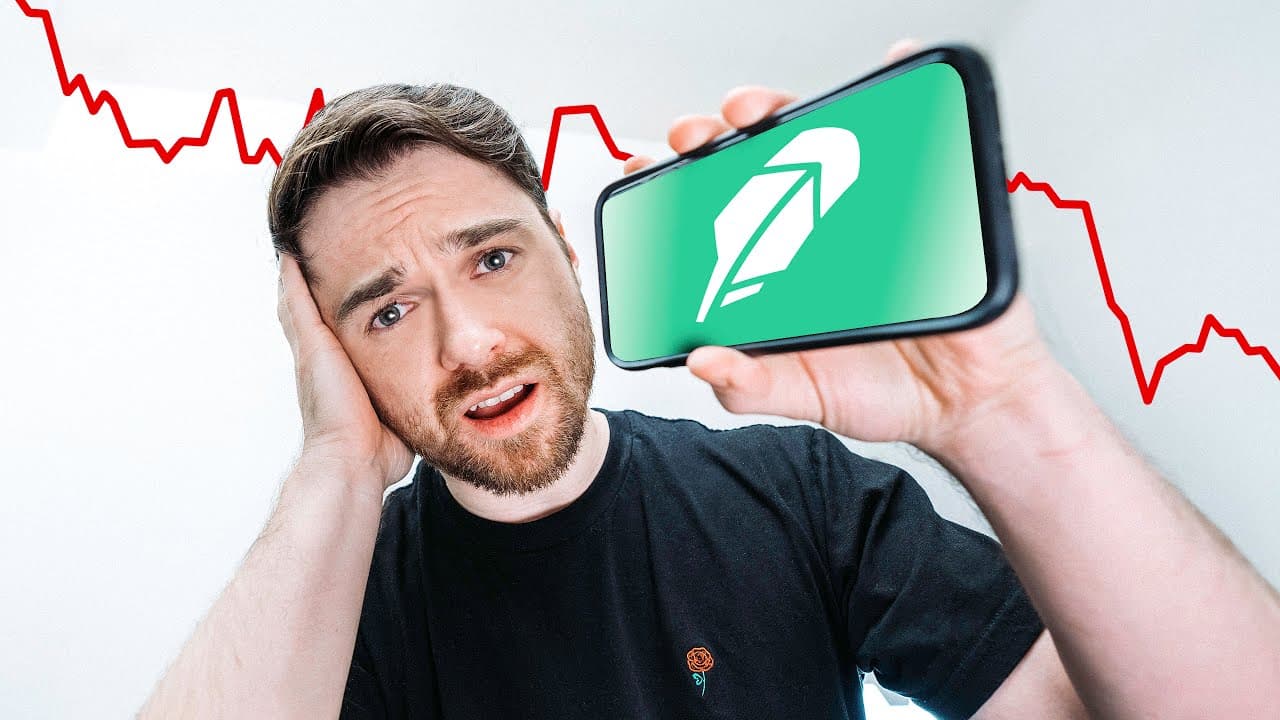
Robinhood agreed to pay the SEC $65 million after failing to disclose how payment for order flow affected its business and customers. Massachusetts regulators separately accused the brokerage of aggressively targeting inexperienced investors, gamifying trading, permitting unsuitable options access, neglecting infrastructure despite repeated outages, and violating its fiduciary obligations.
Transcript
Robinhood. Rob from the good and give to the hood. No, I'm just kidding. I don't know what else rhymed with good. Hi, my name is Andrei Jikh. Hope you're doing well, and let's talk about Robinhood, the app that's pretty much on everyone's phone at this point, that no one still really knows how to use, but it's okay, because sometimes confetti pops ... Read More
Key Insights
- Robinhood agreed to pay the SEC $65 million over allegations that it failed to disclose how it generated revenue and how those arrangements affected customers using its commission-free brokerage service.
- Massachusetts regulators accused Robinhood of five forms of misconduct: aggressive marketing, inadequate infrastructure, gamified investing, violations of its options-approval policies, and a breach of fiduciary conduct required by applicable rules and regulations.
- Robinhood's customer base grew from one million in 2016 to six million in 2018, then increased from 10 million at the end of 2019 to 13 million by May 2020.
- Robinhood experienced close to 70 outages between January 1 and the end of November 2020, including failures on March 2 and 3 when customers could not trade during a historic Dow Jones point gain.
- Gamification was central to the Massachusetts complaint because Robinhood used confetti after trades and allowed customers to improve their cash-management waitlist positions by tapping the screen up to 1,000 times per day.
- Options trading carried particular concern because 68% of approved customers reported having no or very little prior investing experience, while Robinhood allegedly approved some users who failed to satisfy its own stated eligibility criteria.
- Frequent trading was encouraged through unlimited transactions and lists of popular or heavily traded stocks, with one inexperienced customer reportedly completing 12,700 trades in six months, an average of about 70 trades per day.
- Payment for order flow works by having market makers pay broker-dealers such as Robinhood for routing customer orders to them, meaning Robinhood can generate more revenue when its customers place more trades.
Install to Summarize YouTube Videos and Get Transcripts
Explore YouTube Video Summarizer or Get YouTube Transcript Extractor
Questions & Answers
Q: Why did Robinhood agree to pay the SEC $65 million?
Robinhood agreed to pay the SEC $65 million because it had not adequately disclosed how it made money through payment for order flow. Although customers could buy and sell stocks without paying commissions, market makers paid Robinhood to route customer orders through them. The complaint treated this undisclosed business arrangement and its effects on customers as a serious regulatory issue.
Q: What misconduct did Massachusetts regulators allege against Robinhood?
The Massachusetts Securities Division accused Robinhood of five broad forms of misconduct. These were aggressive marketing toward inexperienced investors, failure to strengthen infrastructure against outages, use of game-like features to encourage trading, violations of Robinhood's own options-approval policies, and a breach of fiduciary conduct required by the relevant act and regulations.
Q: How often did Robinhood experience outages in 2020?
Robinhood experienced close to 70 outages between January 1 and the end of November 2020. The most prominent failures occurred on March 2 and 3, when millions of users reportedly could not buy or sell stocks. Additional outages included six in April, 15 in June, and seven in August, according to the figures discussed.
Q: Why were Robinhood's March 2020 outages especially significant?
The March outages were especially significant because customers were locked out of the platform during major market activity. On March 2, the Dow Jones average recorded what the transcript describes as the largest single-day point gain in stock-market history. Options traders faced particular danger because they could not manage positions that might be closed while the application remained unavailable.
Q: How did Robinhood gamify stock trading?
Robinhood gamified trading by using interactive rewards and engagement features associated with video games. Confetti appeared after users completed a stock purchase or sale. For its cash-management waitlist, users could tap the screen as many as 1,000 times per day to advance 1,000 positions, encouraging repeated interaction with the application.
Q: Why was Robinhood's options-approval process criticized?
Robinhood's options-approval process was criticized because 68% of approved options customers reported having no or very little investing experience. The complaint also alleged that Robinhood allowed customers to trade options even when they did not meet its stated requirements involving filled orders, self-reported experience, and risk tolerance, violating the brokerage's own approval policies.
Q: How does Robinhood make money from commission-free trading?
Robinhood generates some revenue from interest earned on cash that customers leave uninvested in their accounts. Its larger revenue source, as described in the transcript, is payment for order flow. Market makers pay Robinhood for sending customer orders to them, so increased customer trading can produce increased payments for the brokerage.
Q: Why can payment for order flow create a conflict of interest?
Payment for order flow can create a conflict because Robinhood earns more when customers generate more orders that can be routed to paying market makers. Regulators argued that encouraging inexperienced investors to make risky or frequent trades could therefore benefit Robinhood financially, even when that activity was not in those customers' best interests.
Summary & Key Takeaways
-
Robinhood transformed stock trading by eliminating transaction commissions and rapidly expanding its customer base. It grew from one million customers in 2016 to six million in 2018, then from 10 million at the end of 2019 to 13 million by May 2020, attracting many young and inexperienced investors.
-
Massachusetts regulators accused Robinhood of five categories of misconduct, including aggressive marketing, insufficient infrastructure, gamified investing, improper options approvals, and breaches of fiduciary conduct. The complaint highlighted confetti animations, interactive waitlists, popular-stock rankings, frequent trading, and options access granted to customers who allegedly failed to meet Robinhood's own eligibility requirements.
-
Robinhood earns money partly from interest on customers' uninvested cash, but payment for order flow is described as its larger revenue source. Market makers pay Robinhood to route customer orders to them, creating an incentive for higher trading volume and a potential conflict when the platform encourages inexperienced customers to trade frequently.
Read in Other Languages (beta)
Share This Summary 📚
Summarize YouTube Videos and Get Video Transcripts with 1-Click
Try YouTube Summary with ChatGPT & Claude or YouTube Transcript Generator
Explore More Summaries from Andrei Jikh 📚


Summarize YouTube Videos and Get Video Transcripts with 1-Click
Try YouTube Summary with ChatGPT & Claude or YouTube Transcript Generator